
Home » Ingredients » Ashwagandha
Ashwagandha: Benefits for Stress, Sleep and Men, Side Effects and Safety
Ashwagandha (Withania somnifera) is an Ayurvedic herb whose root extracts modestly eased stress in small trials. It can affect thyroid hormones and is not for pregnancy.
Last updated 2 November 2026
Ashwagandha: the short answer
Ashwagandha is an evergreen shrub whose root (and sometimes leaf) extracts are taken for stress, sleep and energy. In a 2024 analysis of 9 trials with 558 people, it modestly lowered stress scores, anxiety scores and cortisol compared with a placebo, and NCCIH says some preparations may help insomnia and stress. Limited evidence suggests it may raise testosterone after 2 to 4 months. Trials used a few hundred milligrams a day for up to about 3 months. It can cause drowsiness and stomach upset, rare liver injury has been reported, and it is not advised in pregnancy, breastfeeding or thyroid disorders.
| What it is | An Ayurvedic herb (Withania somnifera); supplements use root or root-and-leaf extracts. |
|---|---|
| Most studied for | Stress and anxiety, sleep, and testosterone in men. |
| Amounts used in studies | About 250 to 600 mg a day of extract, often in two doses, for 6 to 12 weeks. |
| Strength of evidence | Modest for stress (9 trials, 558 people); limited for sleep and testosterone; unclear for anxiety according to NCCIH. |
| Safety | Drowsiness and stomach upset; rare liver injury. Avoid in pregnancy, breastfeeding, thyroid or autoimmune disorders and hormone-sensitive prostate cancer; check for interactions. |
| In products we review | ProstaVive, Nagano Tonic, Thyrafemme Balance |
Sources: Ashwagandha (NCCIH) · Ashwagandha for stress and anxiety: meta-analysis of 9 trials (2024)
Benefits of Ashwagandha
What is ashwagandha?
Ashwagandha, Withania somnifera, is an evergreen shrub found in parts of India, Africa and the Middle East, also called Indian ginseng or winter cherry. It has been used for centuries in Ayurvedic medicine. Supplements use extracts of its root, or of its root and leaf, and are often standardised to compounds called withanolides.
Why people take it
Ashwagandha is sold as an “adaptogen” for stress, anxiety, sleep, energy and athletic performance, and to men for testosterone and fertility. It is also an ingredient in many blends for weight, the thyroid and the prostate.
Top Rated Supplements with Ashwagandha
Products we review that list Ashwagandha as an ingredient. Not every product discloses how much of each ingredient a serving contains, so check each review before assuming it matches the amounts used in studies.
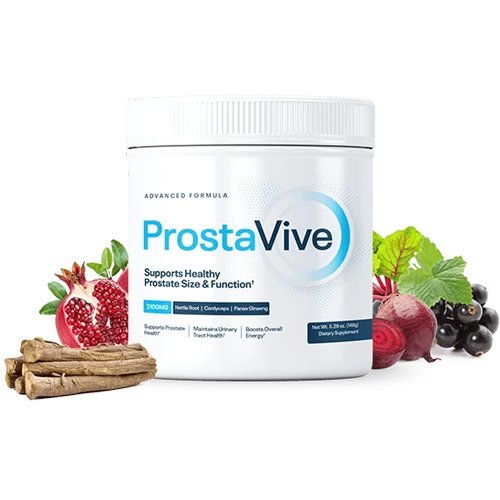
ProstaVive (also written Prosta Vive) is a once-daily drink powder sold through ClickBank for prostate health, urine flow, sleep and sex drive. This review checks its full label, with fenugreek, ashwagandha, tongkat ali, maca, nettle root, zinc and vitamin D3, against the research, and explains the prices and the 180-day refund. Men with urinary symptoms should see a doctor first.
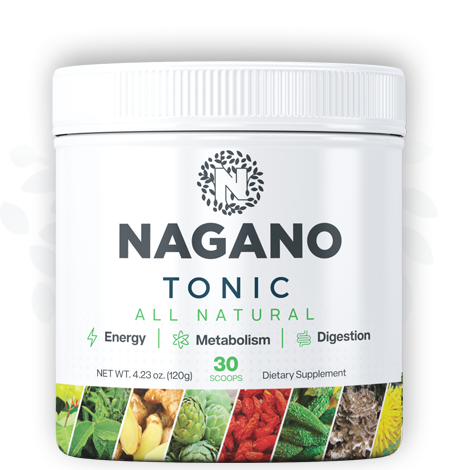
Nagano Tonic, sold as Nagano Lean Body Tonic, is a flavoured powder you stir into water or another drink once a day. Each scoop combines a greens and berry blend, nine herbs including green tea extract, ashwagandha, ginger, cinnamon and Panax ginseng, a small fibre and enzyme blend, five probiotic strains, and vitamins C and B12. It is marketed as a “Japanese elixir” that wakes up a sleeping metabolism. This review covers what the label discloses, what research on its ingredients shows at these amounts, the real package prices and how the 180-day refund works.
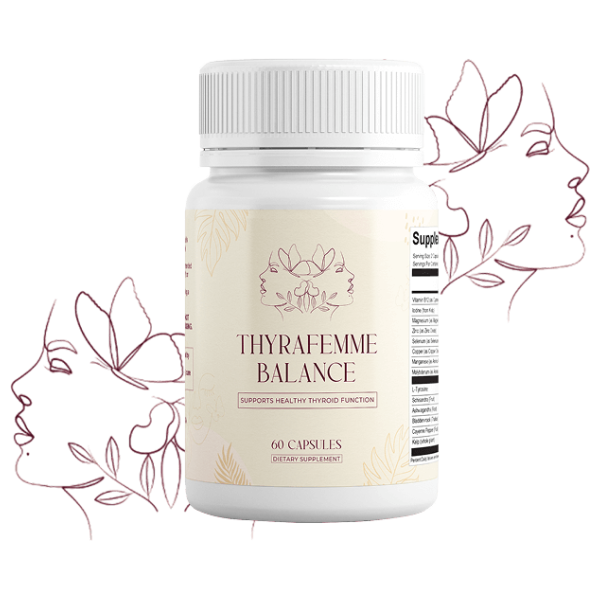
Thyrafemme Balance is a 14-ingredient capsule sold to women for “thyroid balance”, with energy, mood, weight, hair and skin among the promised benefits. This review covers the full label, what research shows for selenium, ashwagandha and iodine, why women with thyroid disease or on thyroid medicine should be careful, the real prices and the 60-day refund.
Scientific Analysis of Ashwagandha
Stress and anxiety
Stress is where ashwagandha has the most research. A 2024 meta-analysis of 9 randomized trials with 558 people found that ashwagandha extracts lowered scores on the Perceived Stress Scale by about 4.7 points (on a 40-point scale) and on the Hamilton Anxiety Scale by about 2.2 points compared with a placebo, and lowered blood cortisol, the stress hormone. The trials were small and short, usually 6 to 12 weeks, and the authors say more information is needed on long-term safety. The US National Center for Complementary and Integrative Health (NCCIH) says some ashwagandha preparations may be effective for stress and insomnia, but that the evidence on anxiety is unclear.
Sleep
A few trials found small improvements in sleep, more so in people with insomnia and after 8 weeks or more of use. It is not a substitute for treating an underlying sleep problem, and it can cause daytime drowsiness.
Benefits for men: testosterone and fertility
NCCIH says there is some limited evidence that taking ashwagandha for 2 to 4 months may increase testosterone levels, and possibly affect sperm quality. The trials were small, and higher testosterone in a blood test does not necessarily mean noticeable changes. Because it may raise testosterone, people with hormone-sensitive prostate cancer should avoid it.
Benefits for women, weight and the thyroid
There is no strong evidence for women-specific benefits beyond the stress and sleep trials, which included women. In a trial of 52 adults under chronic stress, 300 mg of root extract twice a day for 8 weeks lowered stress scores, food cravings and body weight a little compared with placebo. In an 8-week pilot trial of 50 adults with a mildly underactive thyroid, 600 mg a day raised thyroid hormone levels; that is a reason for caution rather than a treatment, because it can push thyroid levels the wrong way in people with thyroid disease or on thyroid medicine.
How much ashwagandha per day
There is no standard dose. Trials used from about 250 mg to 600 mg a day of root or root-and-leaf extract, often split into two doses, for 6 to 12 weeks. Products differ in which part of the plant they use and how much withanolide they contain, so results from one extract do not transfer to another. NCCIH says it may be safe for up to 3 months; there is not enough information on long-term safety.
Side effects and who should avoid it
- Common: drowsiness, stomach upset, diarrhoea and vomiting.
- Liver: a number of cases of liver injury have been linked to ashwagandha supplements, although this is rare. Stop and see a doctor if you notice yellowing skin or eyes, dark urine or unusual tiredness.
- Pregnancy and breastfeeding: avoid it.
- Thyroid and autoimmune conditions: not recommended, and not before surgery.
- Medicines: it may interact with medicines for diabetes, high blood pressure, the thyroid and epilepsy, sedatives and drugs that suppress the immune system, so check with your doctor or pharmacist first.
Products we review that contain it
ProstaVive lists 250 mg of root extract (1.5% withanolides) in a prostate formula; ashwagandha is not a treatment for prostate symptoms. Nagano Tonic includes ashwagandha root in an 800 mg blend of nine herbs, so it contains far less than the 600 mg a day used in the trial its seller cites. ThyraFemme Balance lists 200 mg in a thyroid formula; because ashwagandha can raise thyroid hormone levels, ask your doctor first if you have a thyroid condition or take thyroid medicine.
Frequently Asked Questions
An evergreen shrub (Withania somnifera) used in Ayurvedic medicine. Supplements use extracts of its root, or root and leaf, mainly for stress and sleep.
The best evidence is for stress: in 9 trials with 558 people it modestly lowered stress scores, anxiety scores and cortisol compared with a placebo. It may also help sleep a little, especially in people with insomnia.
Limited evidence suggests that taking it for 2 to 4 months may raise testosterone and possibly affect sperm quality. The trials were small, and men with hormone-sensitive prostate cancer should avoid it.
The stress and sleep trials included women, but there is no strong evidence for women-specific benefits. It should be avoided in pregnancy and breastfeeding, and it can raise thyroid hormone levels.
Drowsiness, stomach upset, diarrhoea and vomiting. Rare cases of liver injury have been reported; stop and see a doctor if you notice yellowing skin or eyes or dark urine.
There is no standard dose. Trials used about 250 to 600 mg a day of root or root-and-leaf extract, often split into two doses, for 6 to 12 weeks. Follow the label of a product that names its extract.
Trials measured effects after 6 to 12 weeks, and the testosterone studies after 2 to 4 months. NCCIH says it may be safe for up to 3 months; long-term safety is not known.
Pregnant or breastfeeding women, people with thyroid or autoimmune disorders, people with hormone-sensitive prostate cancer and anyone about to have surgery. Check with a doctor if you take medicines for diabetes, blood pressure, the thyroid or epilepsy, or sedatives.
Among the products we review, ProstaVive lists 250 mg, ThyraFemme Balance 200 mg, and Nagano Tonic includes it in an 800 mg herb blend without the amount.
⚖️ Conclusion
Ashwagandha is one of the better-studied herbal supplements for stress: small trials found modest drops in stress, anxiety scores and cortisol, and possibly better sleep, over 6 to 12 weeks. The evidence for testosterone is limited, and long-term safety is unknown. It is not harmless: it can affect thyroid hormones, has been linked to rare liver injury, and should be avoided in pregnancy, breastfeeding and several medical conditions. If you try it, use a product that names its extract and amount, keep to about 3 months, and check with your doctor if you take regular medicines.