
Home » Common Issues » Constipation
Best Supplements for Constipation: What the Evidence Supports
Which supplements relieve constipation and at what doses: psyllium, prunes, kiwi, magnesium and probiotics compared, laxative safety, and when to see a doctor.
Understanding Constipation
Constipation is one of the most common digestive complaints: about 16 in 100 US adults have symptoms, rising to about 1 in 3 after age 60, according to the US National Institute of Diabetes and Digestive and Kidney Diseases (NIDDK). This guide looks at the supplements and foods sold for it, what each did in trials and at what dose, and where laxatives fit. The short version: fiber, especially psyllium, has the best evidence among supplements, prunes and kiwifruit work well as foods, and some “gut health” products contain laxatives you would not choose to take every day.
What counts as constipation
NIDDK describes constipation as having fewer than three bowel movements a week, or stools that are hard, dry or lumpy, difficult or painful to pass, or that leave a feeling that not everything has come out. Normal patterns vary widely, so what matters most is a change from what is normal for you. This guide is about adults; constipation in children is best discussed with a pediatrician.
Check the simple causes first
A low-fiber diet, not drinking enough, inactivity and ignoring the urge to go are common causes. So are medicines and supplements: NIDDK lists iron supplements, antacids containing aluminum or calcium, opioid pain relievers, certain antidepressants, anti-seizure and Parkinson’s drugs, diuretics, and calcium channel blockers used for blood pressure. If constipation started with a new medicine or supplement, ask your doctor or pharmacist before stopping anything.
What helps the most
- More fiber from food. The US Dietary Guidelines suggest about 22–28 g a day for women and 28–34 g for men, depending on age, and most Americans eat well below that. Increase it gradually over a few weeks to limit gas and bloating.
- Enough fluids, especially when you add fiber.
- Regular activity, and a regular, unhurried time on the toilet, such as after breakfast.
- Prunes or kiwifruit. In a 2021 US trial in people with chronic constipation, two green kiwifruit a day, about 100 g of prunes a day (roughly 10) and 12 g of psyllium a day all increased complete bowel movements over four weeks; kiwifruit caused the fewest side effects.
At a Glance: The Products Compared
| Product | Our score | Price per bottle | Money-back | |
|---|---|---|---|---|
| Finessa | 3.0/5 | $39–$59 | 180 days | Read review → |
| BellyFlush | 2.9/5 | $33–$59 | 365 days | Read review → |
Scores use our published rubric. Prices are the official site's per-bottle price, from the largest package to the smallest; shipping and taxes can change the total, so check it at checkout.
Top Recommended Products for Constipation
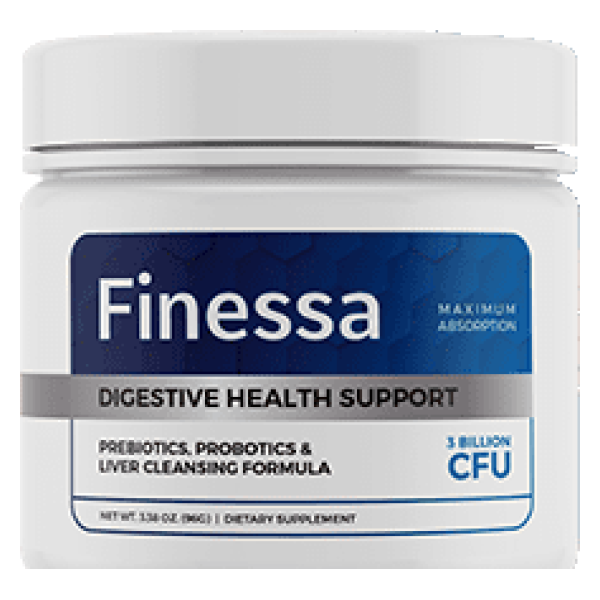
Finessa is a powdered digestive supplement sold for constipation, bloating and a “flatter belly”. One scoop combines fruit and vegetable powders, liver herbs such as dandelion and milk thistle, probiotics and cascara sagrada, a stimulant laxative. This review covers what the label shows, what the research supports, why the laxative matters, side effects, the real prices and how the 180-day refund works.
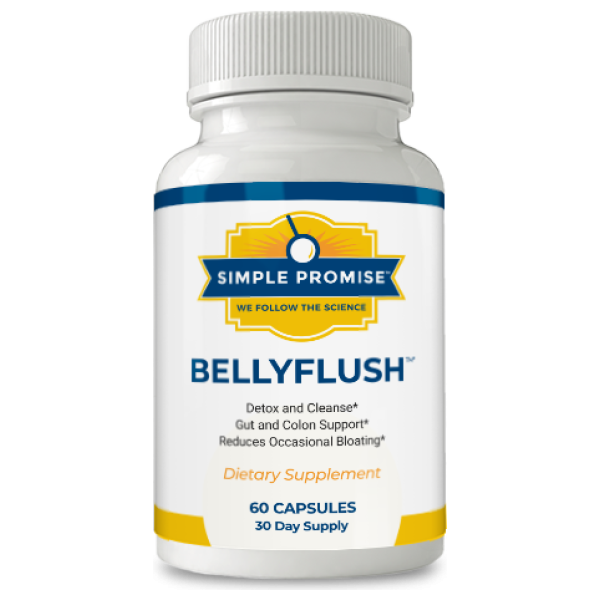
BellyFlush is a capsule from Simple Promise sold to flush out “stuck poop”, flatten the belly and help you lose weight. This review covers its label, which includes three stimulant laxatives, what the research says about laxatives, cleansing and weight, better-tested ways to treat constipation, the real prices and the 365-day refund.
Deeper Analysis of Constipation
The supplements with the most evidence
- Psyllium (fiber): the best-supported supplement. A 2022 meta-analysis of 16 trials in 1,251 adults with chronic constipation found that 66% responded to fiber, against 41% on control treatments, with the clearest results for psyllium, at more than 10 g a day for at least four weeks. Take it with a full glass of water. Gas and bloating are common at first, and it can slow the absorption of some medicines, so take those a couple of hours apart. If you have IBS, soluble fiber such as psyllium is usually better tolerated than wheat bran.
- Inulin and other prebiotic fibers: the European Food Safety Authority accepts that at least 12 g a day of chicory inulin increases stool frequency. Gas and bloating are common, and many “gut health” powders contain only a few grams. More on inulin.
- Magnesium oxide: in a 2021 trial in Japan, 1.5 g a day for four weeks improved symptoms in 68% of people with chronic constipation, against 12% on a placebo. Magnesium oxide and magnesium citrate work as osmotic laxatives, drawing water into the bowel. Magnesium glycinate, popular for sleep, is often chosen because it is less likely to loosen stools, and it has not been studied for constipation. People with kidney disease should not take magnesium laxatives without a doctor, because magnesium can build up in the blood. More on magnesium.
- Probiotics: a 2014 meta-analysis of 14 trials in adults with constipation found that probiotics added about 1.3 bowel movements a week, with the clearest effect for Bifidobacterium lactis, but the trials varied widely and had a high risk of bias. Benefits depend on the strain and dose, so a probiotic is worth trying only as an add-on, and only one that names its strains and amounts.
Laxatives: what the 2023 US guideline recommends
The 2023 guideline on chronic constipation from the American Gastroenterological Association and the American College of Gastroenterology strongly recommends polyethylene glycol (PEG), an over-the-counter osmotic laxative, and the stimulant laxative sodium picosulfate. It gives conditional recommendations to fiber, senna, magnesium oxide and lactulose, and prescription medicines are available when these do not help. In the Japanese trial above, senna (1 g a day) worked as well as magnesium oxide. Stimulant laxatives do work, and doctors sometimes use them longer-term, but over-the-counter laxative labels in the US say not to use them for more than a week unless a doctor advises it.
Ingredients to be careful with
- Cascara sagrada and aloe: herbal stimulant laxatives. In 2002 the FDA ruled them out of over-the-counter laxative medicines because manufacturers had not supplied the safety data it asked for, but both still appear in supplements, often with no dose listed. Cascara has been linked to rare liver injury with high doses or long use.
- Senna in “detox” and slimming teas: many of these teas contain senna, a laxative, which can cause cramping and diarrhea and is not meant for daily use.
- Colon cleanses: there is no good evidence that cleanses or colonic irrigation improve health, and they can cause side effects.
How the digestive supplement we review compares
Finessa is a powder sold for constipation, bloating and a flatter belly. The ingredient most likely to make it work is cascara sagrada, a stimulant laxative, at a dose the label does not disclose, yet the seller recommends taking it daily for at least six months and says it has no known side effects. Its fiber comes to a few grams at most per scoop, below the amounts that worked in trials, and its probiotic blend does not give amounts per strain. It scores 3.0 out of 5 on our rubric. For occasional constipation, psyllium or a short course of a standard laxative with a clear dose is a simpler and cheaper choice.
When to see a doctor
See a doctor if constipation does not get better with self-care, or if you have a family history of colon or rectal cancer. See a doctor right away if constipation comes with blood in your stool or bleeding from the rectum, constant belly pain, being unable to pass gas, vomiting, fever, lower back pain or weight loss you cannot explain.
Key Ingredients for Constipation
The best-supported supplement: in a 2022 meta-analysis, fiber worked best as psyllium at more than 10 g a day for at least 4 weeks. Take with plenty of water; gas and bloating are common at first.
About 100 g a day (roughly 10 prunes) increased complete bowel movements over 4 weeks in a US trial in chronic constipation; 80-120 g a day increased stool weight and frequency in healthy adults.
Two a day worked as well as prunes or psyllium in a 4-week US trial, with the fewest side effects and better bloating scores.
The European Food Safety Authority accepts that at least 12 g a day of chicory inulin increases stool frequency; gas and bloating are common.
1.5 g a day helped 68% of people with chronic constipation, against 12% on placebo, in a 4-week trial. Not for people with kidney disease unless a doctor agrees.
Added about 1.3 bowel movements a week across 14 trials, most clearly for Bifidobacterium lactis, but the trials varied widely and benefits depend on strain and dose.
An over-the-counter stimulant laxative that worked as well as magnesium oxide in a 4-week trial; labels say not to use it for more than a week without a doctor’s advice.
Herbal stimulant laxatives the FDA ruled out of over-the-counter laxative medicines in 2002; often found in supplements without a dose, and cascara is linked to rare liver injury.
Frequently Asked Questions
Psyllium has the best evidence. In a 2022 meta-analysis of 16 trials, fiber supplements helped 66% of adults with chronic constipation against 41% on control treatments, with the clearest results for psyllium at more than 10 g a day for at least four weeks. Prunes and green kiwifruit work about as well as foods.
Trials that worked used more than 10 g a day, such as 12 g a day in a 2021 US trial, for at least four weeks. Start lower and build up over a week or two, take it with a full glass of water, and take other medicines a couple of hours apart.
Magnesium oxide and magnesium citrate work as osmotic laxatives, drawing water into the bowel. In one trial, 1.5 g a day of magnesium oxide helped 68% of people with chronic constipation, against 12% on placebo. Magnesium glycinate, popular for sleep, has not been studied for constipation. People with kidney disease should not take magnesium laxatives without a doctor.
Possibly a little. A meta-analysis of 14 trials found probiotics added about 1.3 bowel movements a week, most clearly for Bifidobacterium lactis, but the trials varied widely and had a high risk of bias. Effects depend on the strain and dose, so choose a product that names both.
Yes. In a 2021 US trial, two green kiwifruit a day and about 100 g of prunes a day each increased complete bowel movements over four weeks, as did psyllium, and kiwifruit had the fewest side effects. Prunes also increased stool weight and frequency in a trial in healthy adults.
It depends on the type. The 2023 US guideline strongly recommends polyethylene glycol, an osmotic laxative that doctors often advise for longer-term use. Over-the-counter stimulant laxatives such as senna are labeled for no more than a week without a doctor’s advice, and herbal stimulants such as cascara and aloe, sometimes hidden in gut supplements, are best avoided for daily use.
NIDDK lists iron supplements, antacids containing aluminum or calcium, opioid pain relievers, certain antidepressants, anti-seizure and Parkinson’s drugs, anticholinergic and antispasmodic drugs, diuretics, and calcium channel blockers for blood pressure. Ask your doctor or pharmacist before stopping any of them.
It may produce bowel movements, because it contains cascara sagrada, a stimulant laxative, but the dose is not disclosed and the seller recommends six months of daily use. Its fiber and probiotics come in small or undisclosed amounts. It scores 3.0 out of 5 in our review; psyllium or a standard laxative with a clear dose is a simpler choice.
If it does not improve with self-care, or you have a family history of colon or rectal cancer. See a doctor right away if constipation comes with blood in your stool, rectal bleeding, constant belly pain, being unable to pass gas, vomiting, fever, lower back pain or unexplained weight loss.
⚖️ Conclusion
For most adults with constipation, the best-supported supplement is plain fiber, and psyllium in particular: more than 10 g a day for at least four weeks, with plenty of water. Prunes and green kiwifruit work about as well as foods. Magnesium oxide works as a gentle laxative, probiotics have smaller and less certain effects, and inulin helps at about 12 g a day, far more than most gut powders contain.
If you need a laxative, an over-the-counter osmotic laxative such as polyethylene glycol has the strongest backing, and stimulant laxatives are best kept for short-term use unless your doctor advises otherwise. Be wary of supplements that hide herbal laxatives such as cascara or aloe and tell you to take them every day for months, and see a doctor if constipation does not improve or comes with warning signs such as blood in the stool or weight loss.