
Home » Common Issues » Cravings for Sweets
Understanding and Overcoming Sugar Cravings: A Science-Based Guide
Struggling with intense sweet cravings? Discover the biological causes behind sugar addiction and learn evidence-based strategies to regain control of your diet.
Understanding Cravings for Sweets
The Biological Root of Your Sweet Tooth
Sugar cravings are one of the most common hurdles for health-conscious individuals, often feeling less like a simple preference and more like an uncontrollable biological directive. To effectively manage these urges, we must first understand that they are rarely a result of a lack of willpower. Instead, they are the byproduct of complex physiological and neurological processes. From an evolutionary perspective, our ancestors sought out sweet foods because they were a dense source of energy and generally safe to eat. In the modern world, however, this survival mechanism has been hijacked by highly processed, hyper-palatable foods that flood the brain with reward signals far beyond what nature intended.
The Dopamine Reward System
When you consume sugar, your brain releases a surge of dopamine, a neurotransmitter associated with pleasure and reward. This is the same chemical pathway involved in various forms of addiction. Over time, the brain begins to require more sugar to achieve the same 'high,' leading to a cycle of dependency. This neurological feedback loop is why that afternoon cookie feels like a necessity rather than a choice. By understanding that your brain is seeking a chemical reward, you can begin to implement strategies that provide dopamine through healthier avenues, such as physical activity or social interaction, effectively rewiring your reward circuitry over time.
The Blood Sugar Rollercoaster
One of the primary physiological drivers of sugar cravings is the fluctuation of blood glucose levels. When you consume high-sugar foods or refined carbohydrates, your blood sugar spikes rapidly. In response, your pancreas secretes insulin to shuttle that glucose into your cells. Often, especially with processed snacks, the insulin response is so aggressive that it causes blood sugar to crash below baseline levels. This state, known as reactive hypoglycemia, signals the brain that it needs an immediate energy source to survive, which manifests as an intense, urgent craving for more sugar. Breaking this cycle requires a focus on metabolic flexibility and the consumption of foods that promote stable glucose levels throughout the day.
Nutritional Deficiencies and Mineral Imbalances
In many cases, your body isn't actually asking for sugar; it is asking for the nutrients it lacks. Specific mineral deficiencies are frequently linked to sweet cravings. For instance, magnesium is involved in over 300 enzymatic reactions, including glucose metabolism and energy production. A lack of magnesium can make it difficult for your cells to utilize energy efficiently, leading to a perceived need for quick fuel. Similarly, chromium and zinc play vital roles in insulin sensitivity and blood sugar regulation. When these micronutrients are depleted—often due to a diet high in processed foods—the body’s ability to manage sugar is compromised, resulting in persistent hunger for sweets.
The Role of the Gut Microbiome
Recent research in the field of nutritional science has highlighted the profound influence of the gut microbiome on our dietary choices. The trillions of bacteria residing in your digestive tract have their own metabolic needs. Certain species of yeast and bacteria, such as Candida, thrive on sugar. These microbes can actually influence their host’s behavior by producing signaling molecules that travel via the vagus nerve to the brain, effectively 'demanding' the nutrients they need to proliferate. By fostering a diverse and healthy microbiome through the intake of probiotic-rich foods and diverse fibers, you can shift the internal balance, making it easier to resist cravings from the inside out.
Psychological Triggers and Stress
The modern lifestyle is a breeding ground for emotional eating. Stress triggers the release of cortisol, a hormone that prepares the body for a 'fight or flight' response. Historically, this meant the body needed quick energy (glucose) to deal with a physical threat. Today, our stressors are often psychological, yet the physiological response remains the same. High cortisol levels increase appetite and specifically drive cravings for 'comfort foods' high in sugar and fat. Furthermore, sugar provides a temporary sedative effect, making it an easy, albeit destructive, tool for self-medication during times of anxiety or exhaustion. Addressing the psychological roots of sugar consumption is just as critical as managing the nutritional aspects.
Practical Strategies for Lasting Control
To effectively combat cravings, one must adopt a multi-pronged approach. First, prioritizing protein and healthy fats at every meal is essential. These macronutrients slow the absorption of sugar and promote the release of satiety hormones like cholecystokinin (CCK) and peptide YY. Second, hydration is often overlooked; the brain frequently confuses thirst signals with hunger or sugar cravings. Drinking a glass of water when an urge strikes can often dissipate the feeling within minutes. Finally, improving sleep hygiene is non-negotiable. Sleep deprivation disrupts the balance of ghrelin (the hunger hormone) and leptin (the fullness hormone), making you significantly more likely to reach for sugary snacks the following day.
The Path to Metabolic Health
Overcoming sugar cravings is not about perfection; it is about progress and consistency. As you reduce your intake of added sugars, your taste buds undergo a process of resensitization. Foods that once seemed bland, like berries or dark chocolate, will begin to taste intensely sweet and satisfying. By focusing on whole, nutrient-dense foods and addressing the underlying lifestyle factors—such as stress and sleep—you can break the cycle of sugar dependency and reclaim your metabolic health. This journey requires patience, as the body and brain need time to adjust to a new baseline, but the rewards of stable energy, improved mood, and long-term wellness are well worth the effort.
Top Recommended Products for Cravings for Sweets
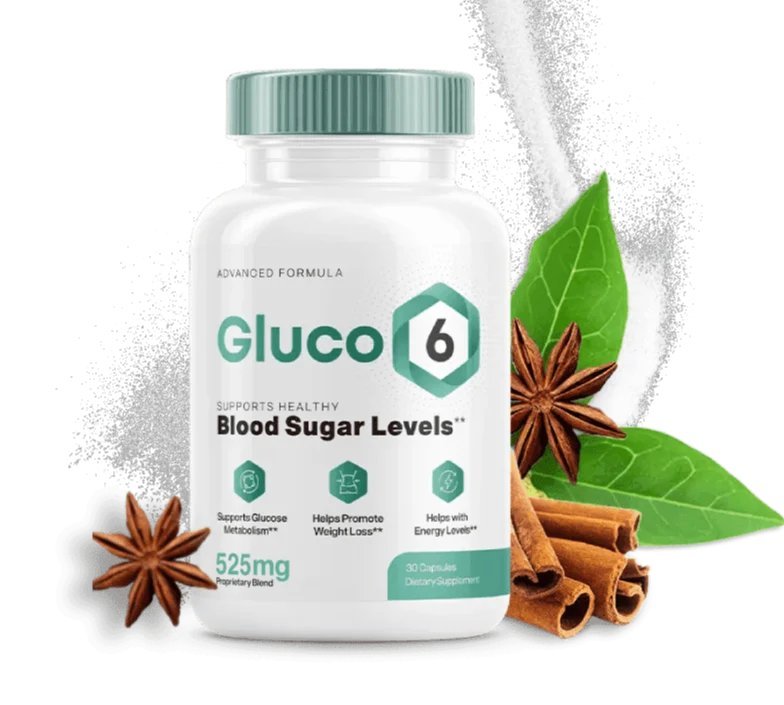
Gluco6 is a dietary supplement formulated with a blend of natural ingredients designed to support healthy blood sugar levels and metabolic function. By focusing on the health of GLUT-4 receptors, it aims to help the body process glucose more efficiently. This review examines its components, potential benefits, and what users can realistically expect from adding it to their daily wellness routine.

GlucoTrust is a dietary supplement designed to support healthy blood sugar levels and improve sleep quality using a blend of natural ingredients. Aimed at individuals looking for a holistic way to manage their metabolic health alongside diet and exercise, it focuses on the connection between restorative rest and hormonal balance. While not a replacement for medical treatment, it offers a lifestyle-oriented approach to wellness.
Frequently Asked Questions
Nighttime cravings are often caused by a combination of low blood sugar from inadequate daytime eating, high cortisol levels from daily stress, and a habit-based reward system. Additionally, being tired reduces willpower and increases the hormone ghrelin, which stimulates appetite for high-energy foods.
Yes, magnesium is essential for regulating glucose and insulin. When you are deficient, your body struggles to manage its energy levels, which the brain interprets as a need for a quick sugar fix. Supplementing with magnesium or eating magnesium-rich foods like spinach and almonds can help.
For most people, the most intense physical cravings begin to subside within 3 to 10 days of significantly reducing sugar intake. However, the psychological habit can take several weeks to rewire as your taste buds and brain chemistry adjust to a lower-sugar environment.
While they provide sweetness without calories, artificial sweeteners can actually prolong cravings. They maintain the brain's preference for hyper-sweet flavors and can sometimes trigger an insulin response, leading to increased hunger later in the day.
⚖️ Conclusion
Overcoming a persistent craving for sweets is rarely a matter of sheer willpower; rather, it is a complex physiological and psychological puzzle that requires a multifaceted approach. Throughout this exploration, we have identified that everything from gut microbiome imbalances and nutritional deficiencies to chronic stress and poor sleep hygiene can fuel the fire of sugar addiction. By prioritizing high-quality protein, complex fibers, and essential minerals like magnesium, you can stabilize your blood glucose levels and dampen the intensity of these urges. It is also vital to recognize the emotional triggers that lead to mindless snacking, replacing the instant gratification of sugar with more sustainable coping mechanisms. Remember that lasting change takes time, and your taste buds will eventually adapt to a lower-sugar environment. Addressing the root causes of your cravings rather than just the symptoms is the most effective way to reclaim your metabolic health and long-term vitality. Stay consistent, stay hydrated, and treat your body with the patience it deserves as you transition toward a more balanced and nourishing relationship with food and wellness.
Related Issues
Explore other topics related to Cravings for Sweets.