
Home » Common Issues » Postpartum Weight Gain
Understanding Postpartum Weight Gain: A Compassionate Guide to Your Body After Baby
Understand the biological causes of postpartum weight gain. Learn how to manage your health and body image safely after childbirth with expert-backed advice.
Understanding Postpartum Weight Gain
The Reality of the Postpartum Body
The transition into motherhood is one of the most significant physiological and emotional shifts a person can experience. For nine months, the body undergoes a radical transformation to support the growth of a new life. However, once the baby arrives, many individuals are surprised to find that the physical changes do not instantly reverse. Postpartum weight gain and the retention of pregnancy weight are incredibly common experiences, yet they are often shrouded in societal pressure and unrealistic expectations. Understanding that your body has just performed a biological miracle is the first step in navigating this journey with grace and patience.
The Biological Purpose of Pregnancy Weight
It is important to recognize that the weight gained during pregnancy is not just 'fat.' The body strategically accumulates various components to ensure a healthy delivery and successful recovery. This includes the weight of the baby, the placenta, amniotic fluid, increased blood volume, and enlarged breast tissue. Additionally, the body naturally stores extra fat as a caloric reserve to fuel breastfeeding and the high energy demands of early parenthood. Biological safeguards are in place to ensure you have the energy required to care for a newborn, even when sleep is scarce and nutrients are being shared through lactation.
Why Weight Might Linger or Increase Post-Birth
While some weight is lost immediately during delivery, many women find that their weight plateaus or even increases in the weeks following birth. Several factors contribute to this phenomenon. First, hormonal fluctuations play a massive role. After the placenta is delivered, levels of estrogen and progesterone plummet, while prolactin rises to support milk production. This hormonal shift can affect metabolism, water retention, and even mood, which in turn influences eating habits. Furthermore, the hormone cortisol—often called the stress hormone—frequently spikes due to the chronic sleep deprivation that defines the 'fourth trimester.' High cortisol levels are scientifically linked to abdominal fat storage and increased cravings for high-calorie, sugary foods.
The Impact of Sleep Deprivation and Stress
In the hierarchy of health, sleep is often the foundation upon which metabolism rests. When you are chronically sleep-deprived, the body’s hunger hormones, ghrelin and leptin, become imbalanced. Ghrelin, which signals hunger, increases, while leptin, which signals fullness, decreases. This creates a physiological environment where you feel hungrier and less satisfied, leading to accidental overconsumption of calories. When combined with the physical stress of healing from birth—whether vaginal or cesarean—the body may enter a protective mode, holding onto weight as a survival mechanism. Recognizing that your struggle with weight may be a direct result of exhaustion rather than a lack of willpower is crucial for your mental well-being.
Navigating the 'Bounce Back' Culture
Modern society, particularly through the lens of social media, often promotes a harmful narrative known as the 'bounce back.' This idea suggests that a person should return to their pre-pregnancy shape within weeks of giving birth. This narrative is not only scientifically inaccurate but also psychologically damaging. Every body heals at a different rate, and for many, it can take six to twelve months (or longer) for the body to fully recover from the structural and hormonal changes of pregnancy. Embracing a 'slow and steady' approach is much more sustainable and prevents the risk of nutrient deficiencies or injuries that can occur when returning to intense exercise too quickly.
The Role of Breastfeeding in Weight Management
There is a common myth that breastfeeding causes the weight to 'melt off.' While it is true that lactation burns a significant number of calories—anywhere from 300 to 500 per day—it also increases thirst and hunger. Some women find that breastfeeding helps them lose weight, while others find that their bodies hold onto a 'safety' layer of fat until they stop nursing. Both experiences are completely normal. It is vital not to restrict calories severely while breastfeeding, as this can compromise your milk supply and your own energy levels. Focusing on nutrient density—incorporating lean proteins, healthy fats, and complex carbohydrates—is the best way to support both your baby and your recovery.
Safe Movement and Rehabilitation
Before jumping back into a pre-pregnancy workout routine, it is essential to prioritize the rehabilitation of the core and pelvic floor. Pregnancy and birth put immense strain on these areas, often leading to conditions like diastasis recti (separation of the abdominal muscles). Engaging in high-impact exercise too early can exacerbate these issues. Starting with gentle walking and movements specifically designed for postpartum recovery can help rebuild strength from the inside out. Always consult with a healthcare provider or a pelvic floor physical therapist before beginning any new exercise regimen to ensure your body is structurally ready for the load.
A Holistic View of Postpartum Health
Ultimately, addressing postpartum weight gain is about more than just aesthetics; it is about restoring your health and vitality so you can enjoy your new role as a parent. This involves a holistic approach that includes adequate hydration, mindful eating, stress management, and, whenever possible, asking for help to catch up on rest. By shifting the focus from 'weight loss' to 'healing and nourishment,' you create a positive environment for both your physical and mental health. Remember that your body is not 'ruined'; it is changed, and that change is a testament to the incredible feat of bringing a human being into the world.
Top Recommended Products for Postpartum Weight Gain
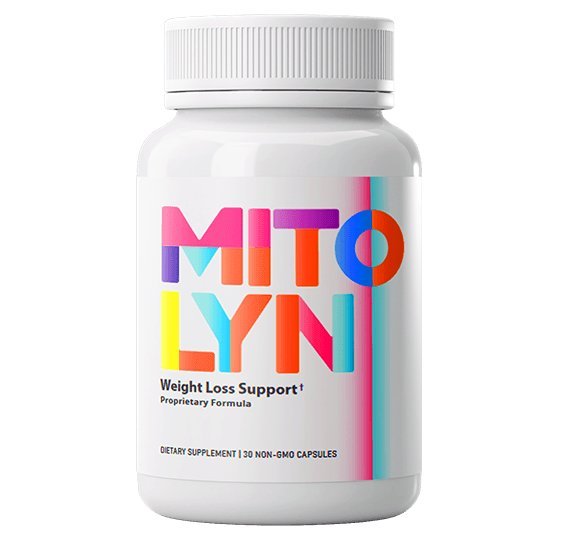
Mitolyn is revolutionizing the wellness space, offering unparalleled support for mitochondrial health. Search mitolyn reviews to see real-world results and understand why this supplement is becoming a cornerstone of advanced nutritional regimens. Experience the difference in your energy levels and vitality with Mitolyn.
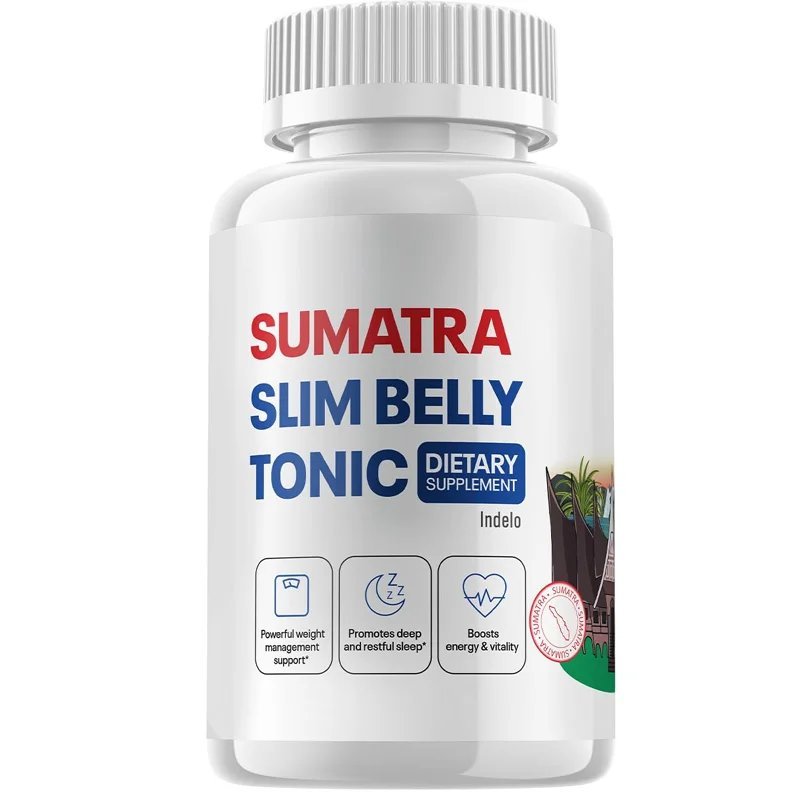
Sumatra Slim Belly Tonic is a dietary supplement designed to support healthy weight management by focusing on the often-overlooked connection between sleep quality and metabolism. Developed for individuals who struggle with stubborn belly fat and low energy levels, this powder-based formula utilizes a blend of natural ingredients intended to optimize restorative sleep. By addressing sleep debt and its impact on metabolic rate, the tonic aims to help users feel more refreshed while supporting their body's natural fat-burning processes. It is not a miracle cure but rather a lifestyle-supportive tool meant to be used alongside a balanced diet and regular activity.
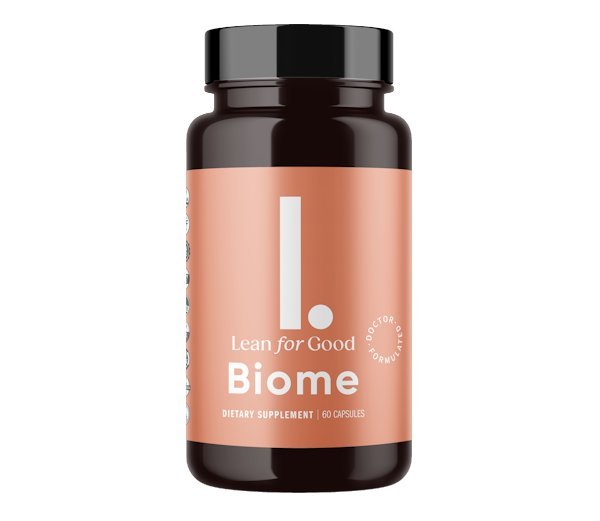
LeanBiome is an innovative dietary supplement formulated to support weight management by optimizing gut health. Unlike traditional fat burners that rely on heavy stimulants, LeanBiome focuses on a sophisticated blend of probiotics, prebiotics, and green tea extract to balance the internal microbiome. It is designed for individuals who have struggled with stubborn weight despite traditional dieting, aiming to address the underlying bacterial balance that influences metabolism and cravings. By fostering a diverse gut environment, it offers a more holistic approach to long-term wellness and body composition.
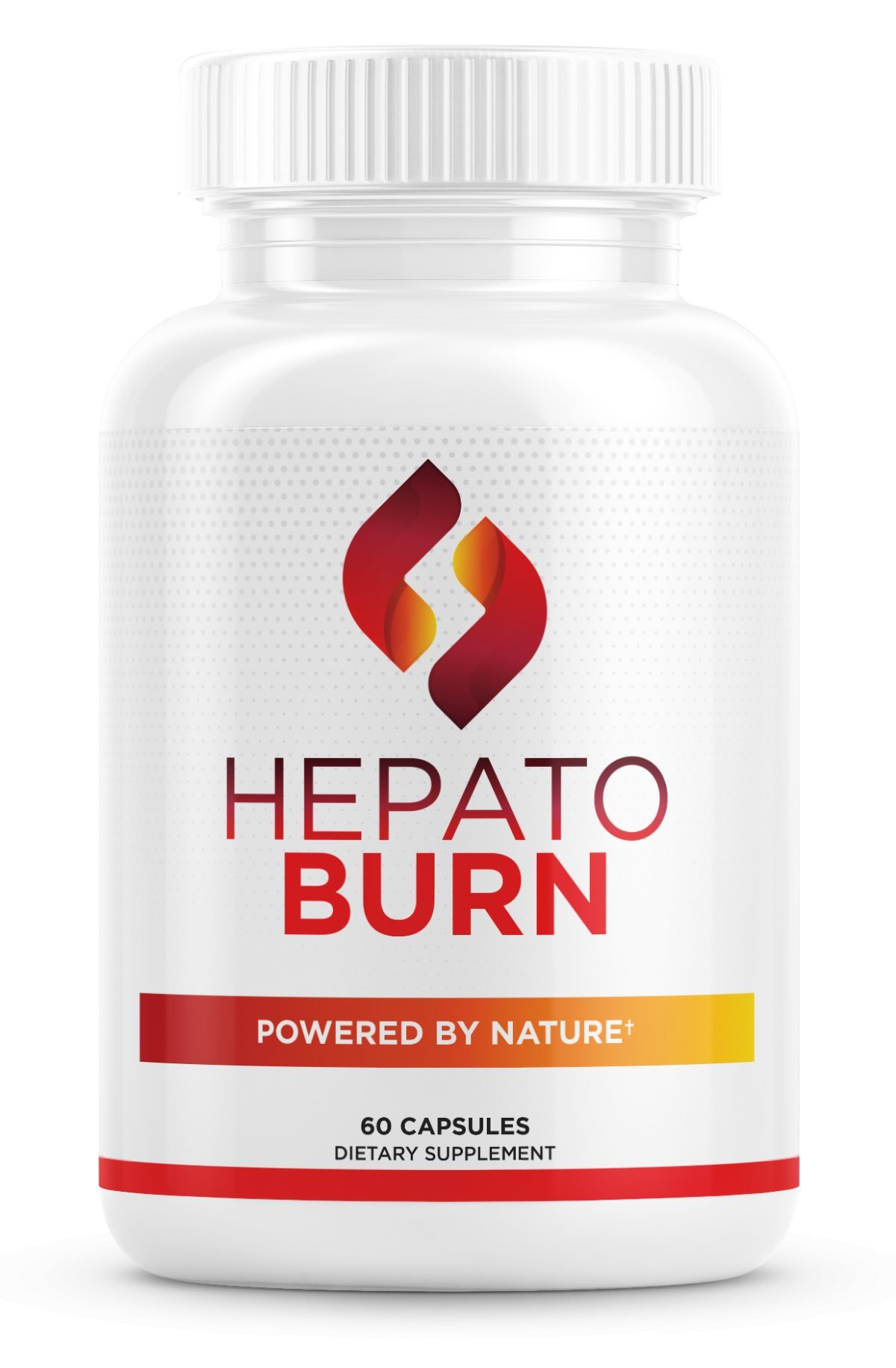
HepatoBurn is a natural dietary supplement designed to support liver health and optimize metabolic function. By focusing on the liver's role in fat processing and detoxification, it aims to help individuals who feel their progress has stalled due to a sluggish metabolism. It is formulated with plant-based ingredients and offers a balanced approach to wellness without the use of harsh stimulants.
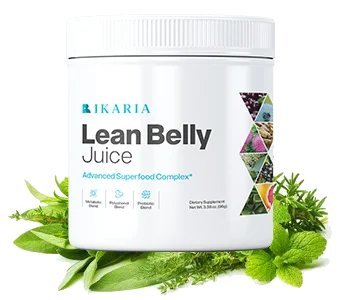
Ikaria Juice is a natural dietary supplement inspired by the longevity and lifestyle of the residents of Ikaria, Greece. It is formulated as a convenient powder that blends easily into water or your favorite beverage. Designed for adults looking to support their metabolic health, this formula focuses on addressing internal factors like uric acid levels that may hinder weight management efforts. It aims to provide a gentle, nutrient-rich approach to wellness without the use of harsh stimulants.
Frequently Asked Questions
It is generally recommended to wait until your six-week postpartum checkup before making any significant changes to your diet or exercise routine. If you are breastfeeding, your body needs extra calories and nutrients to maintain milk supply, so a gradual approach after the first two months is often the safest and most sustainable path.
Yes, it is entirely normal. While breastfeeding burns calories, the hormonal environment (high prolactin) can cause some bodies to retain fat stores to ensure a constant energy source for the baby. Additionally, the increased hunger and thirst associated with nursing can lead to higher caloric intake.
This is often due to the time it takes for the uterus to contract back to its original size (involution) and for abdominal muscles to regain their tone. It can also be a sign of diastasis recti. It took nine months for your abdomen to expand, and it naturally takes time—often months—for it to return to a more familiar state.
Absolutely. Chronic stress and lack of sleep lead to elevated cortisol levels. High cortisol signals the body to store fat, particularly in the midsection, and can trigger cravings for high-sugar foods. Managing stress through deep breathing, rest, and support is a key part of postpartum weight management.
⚖️ Conclusion
Navigating the complexities of postpartum weight gain requires a blend of scientific understanding and profound self-compassion. It is vital to remember that the weight gained during pregnancy served a critical biological purpose, supporting the growth and development of new life. While the desire to return to a pre-pregnancy state is common, the focus should always remain on functional health rather than a number on a scale. Addressing postpartum weight is not merely about caloric restriction; it involves balancing hormones, prioritizing restorative sleep, and nourishing the body with nutrient-dense foods that support recovery. Pushing the body too hard or too soon can lead to setbacks, particularly regarding pelvic floor and core health. Instead, embrace a gradual, sustainable approach that honors your body's unique timeline. Consult with healthcare providers to ensure any underlying issues, such as thyroid dysfunction or nutrient deficiencies, are addressed. Ultimately, your worth is not defined by your physical appearance, and the most important takeaway is to treat yourself with the same kindness and patience you offer your newborn child. By focusing on long-term wellness and mental health, you create a foundation for a vibrant, healthy life for both you and your family.
Related Issues
Explore other topics related to Postpartum Weight Gain.