
Home » Common Issues » Muscle Loss
The Silent Epidemic: Understanding and Reversing Muscle Loss for Longevity
Discover the causes of muscle loss and sarcopenia. Learn how to preserve strength and mobility through nutrition, exercise, and lifestyle changes.
Understanding Muscle Loss
The Critical Role of Muscle Mass in Human Health
Muscle loss, often referred to in clinical circles as sarcopenia when related to aging, is far more than an aesthetic concern. It is a fundamental shift in body composition that can significantly impact your metabolic health, hormonal balance, and overall quality of life. As we age, the body naturally begins to lose muscle mass at a rate of approximately 3% to 8% per decade after the age of 30, and this rate accelerates even further after the age of 60. However, muscle loss is not an inevitable slide into frailty. By understanding the physiological mechanisms behind muscle tissue degradation, we can implement targeted strategies to preserve and even rebuild this vital tissue.
Muscle serves as the body's primary reservoir for amino acids and acts as a massive metabolic engine. It is the primary site for glucose disposal, meaning that healthy muscle mass is one of your best defenses against insulin resistance and Type 2 diabetes. When we lose muscle, we don't just lose strength; we lose the ability to regulate blood sugar efficiently, we see a decline in resting metabolic rate, and we experience a decrease in bone mineral density. This creates a cascading effect that increases the risk of falls, fractures, and chronic disease. Recognizing the early signs of muscle wasting is the first step toward reclaiming your functional independence.
Understanding the Primary Causes of Muscle Atrophy
While aging is a primary driver, several other factors contribute to the acceleration of muscle loss. Physical inactivity is perhaps the most significant modifiable risk factor. When muscles are not regularly subjected to mechanical tension, the body initiates a process of atrophy to conserve energy. This is often seen in sedentary office workers or individuals recovering from prolonged illness or surgery. However, the causes often go deeper than just a lack of movement.
Hormonal shifts play a massive role in maintaining muscle protein synthesis. In men, declining testosterone levels can lead to a reduction in muscle bulk and strength. In women, the transition through menopause and the subsequent drop in estrogen can lead to rapid changes in body composition and a decrease in lean mass. Furthermore, chronic inflammation—often resulting from a poor diet or underlying health conditions—can trigger the breakdown of muscle fibers. This systemic inflammation interferes with the signaling pathways required for muscle repair, making it harder for the body to maintain its structural integrity.
The Protein Synthesis Equation and Anabolic Resistance
One of the most challenging aspects of muscle loss is a phenomenon known as anabolic resistance. As we get older, our muscles become less responsive to the signals that normally trigger growth, such as protein ingestion and exercise. To overcome this, the traditional nutritional guidelines are often insufficient. It is no longer enough to simply meet the baseline protein requirements; the timing, quality, and quantity of protein intake become paramount.
To stimulate myofibrillar protein synthesis, the body requires a specific threshold of the amino acid leucine. This is often referred to as the "leucine trigger." For older adults or those experiencing muscle wasting, consuming 25 to 40 grams of high-quality protein per meal is often necessary to overcome anabolic resistance and signal the body to build muscle. Without this nutritional foundation, even the most rigorous exercise routine will fail to produce significant results. Prioritizing bioavailable protein sources such as lean meats, eggs, dairy, or high-quality plant-based isolates is essential for anyone looking to halt the progression of muscle loss.
The Power of Resistance Training
If nutrition is the fuel, resistance training is the spark that ignites muscle preservation. Cardiovascular exercise is excellent for heart health, but it is not sufficient to prevent sarcopenia. To maintain muscle mass, you must subject your fibers to mechanical loading that exceeds their current capacity. This process of progressive overload creates micro-tears in the muscle tissue, which the body then repairs, resulting in stronger and more resilient fibers.
Strength training also improves the health of your mitochondria, the powerhouses of your cells. By engaging in compound movements like squats, deadlifts, and presses, you recruit multiple muscle groups and stimulate a systemic anabolic response. This not only builds muscle but also enhances the nervous system's ability to communicate with muscle fibers, improving coordination and reducing the risk of injury. For those already experiencing significant muscle loss, starting with bodyweight exercises or resistance bands can provide a safe entry point before progressing to heavier external loads.
The Role of Sleep and Recovery
Many people overlook the fact that muscle is not built in the gym; it is built during sleep. During deep sleep stages, the body releases growth hormone and performs the majority of its tissue repair. Chronic sleep deprivation elevates cortisol, a catabolic hormone that actively breaks down muscle tissue for energy. Managing stress and ensuring seven to nine hours of quality sleep are non-negotiable components of a muscle-preservation strategy. Without adequate recovery, the body remains in a state of breakdown, negating the hard work put into nutrition and exercise.
In conclusion, muscle loss is a complex issue influenced by genetics, lifestyle, and environment. However, it is a condition that can be managed and often reversed with a disciplined approach to strength training, high-protein nutrition, and restorative sleep. By treating muscle mass as a vital organ and a long-term health investment, you can ensure a higher level of physical function and metabolic resilience throughout your entire life.
Top Recommended Products for Muscle Loss
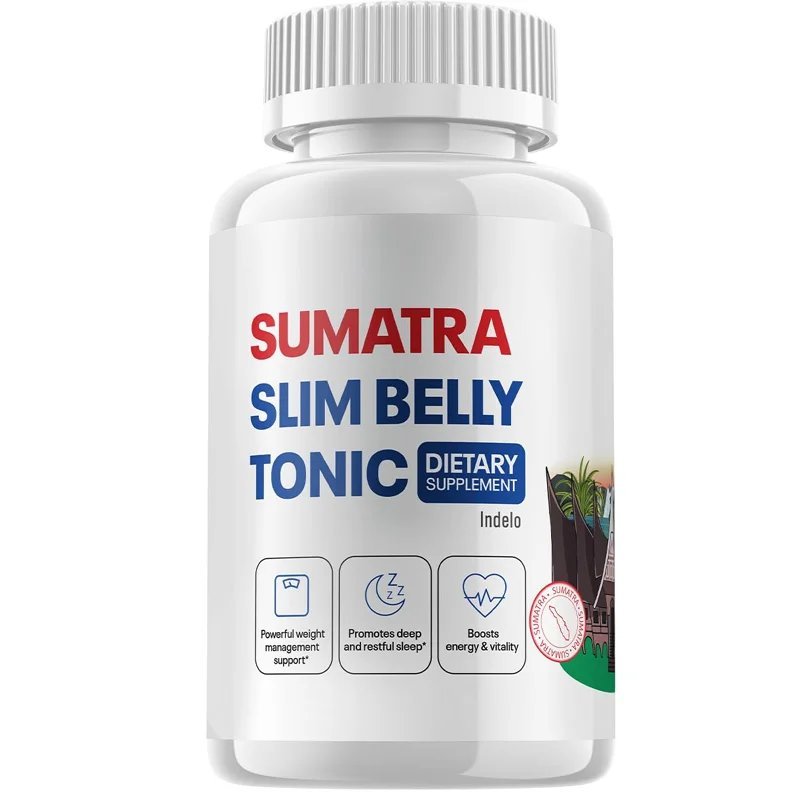
Sumatra Slim Belly Tonic is a dietary supplement designed to support healthy weight management by focusing on the often-overlooked connection between sleep quality and metabolism. Developed for individuals who struggle with stubborn belly fat and low energy levels, this powder-based formula utilizes a blend of natural ingredients intended to optimize restorative sleep. By addressing sleep debt and its impact on metabolic rate, the tonic aims to help users feel more refreshed while supporting their body's natural fat-burning processes. It is not a miracle cure but rather a lifestyle-supportive tool meant to be used alongside a balanced diet and regular activity.
Frequently Asked Questions
The most effective way to halt muscle loss is a combination of progressive resistance training at least three times a week and increasing your protein intake to roughly 1.2 to 1.6 grams per kilogram of body weight, ensuring you hit the leucine threshold in each meal.
Yes, research consistently shows that individuals in their 60s, 70s, and even 80s can gain significant muscle mass and strength through dedicated resistance training and optimized protein consumption. The body remains plastic and responsive to stimulus at almost any age.
While walking is excellent for cardiovascular health and weight management, it does not provide enough mechanical tension to significantly build or preserve muscle mass in the way that weightlifting or resistance band exercises do.
Early signs include feeling physically weaker, having difficulty climbing stairs, walking more slowly, and experiencing unintentional weight loss. You might also notice that your clothes fit differently even if your weight remains stable, indicating a shift from muscle to fat.
⚖️ Conclusion
Addressing muscle loss is one of the most critical investments you can make in your long-term health and functional independence. While the natural aging process, or sarcopenia, makes it increasingly difficult to maintain lean tissue, it is by no means an inevitable decline into frailty. By prioritizing a multi-faceted approach that combines progressive resistance training, adequate high-quality protein intake, and metabolic health management, you can effectively counteract the biological mechanisms of muscle wasting. It is vital to recognize that muscle is more than just a tool for movement; it is a metabolic organ that regulates glucose, supports bone density, and fuels your immune system. The key takeaway is that prevention is far easier than restoration. Start by assessing your current activity levels and nutritional habits today. Consistently challenging your muscles through strength training and ensuring you meet your daily leucine and protein requirements will provide the foundation for a vibrant, mobile, and resilient life well into your later years. Do not wait for signs of weakness to appear; proactive muscle management is the ultimate cornerstone of longevity.
Related Issues
Explore other topics related to Muscle Loss.