
Cardio Shield vs VenoPlus 8: Blood Pressure Capsule or Artery Drink?
| Features |
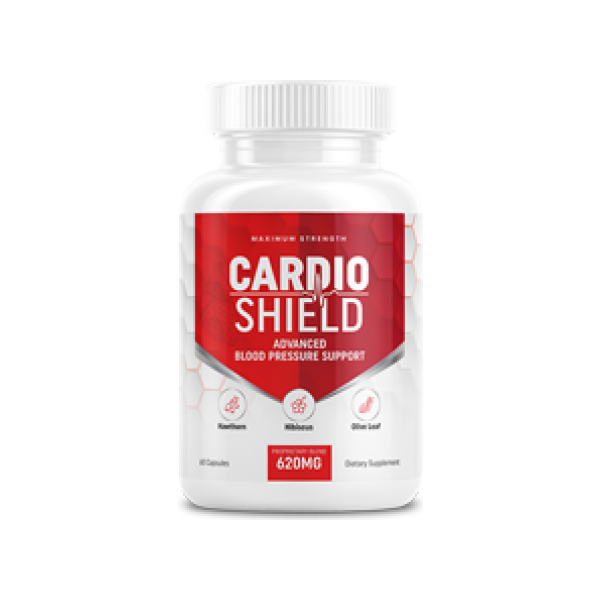
Cardio Shield
★★★
3.2/5
|

VenoPlus 8
★★★
3.2/5
|
|---|---|---|
| Price | $59 | $59 |
| Guarantee | 180 Days | 365 Days |
| Pros |
|
|
| Cons |
|
|
| Action |
Scored side by side
Both products run through the same five criteria — see how we score.
| Criterion | Cardio Shield | VenoPlus 8 | Edge |
|---|---|---|---|
| Ingredient transparency · 25% | 3.0 | 3.5 | VenoPlus 8 |
| Strength of evidence · 25% | 2.5 | 2.0 | Cardio Shield |
| Value for money · 20% | 4.5 | 4.5 | Tie |
| Guarantee terms · 15% | 5.0 | 5.0 | Tie |
| Buying experience · 15% | 1.0 | 1.0 | Tie |
| Overall | 3.2/5 | 3.2/5 | Tie |
Comparison Analysis
Both are sold to older adults worried about their blood pressure and arteries, both are ordered through ClickBank, and they cost exactly the same: $59 for one, $147 for three ($49 each) and $234 for six ($39 each). Both score 3.2 out of 5 on our rubric, but they get there in opposite ways: one shows every amount and doses its ingredients low, the other hides its amounts inside a blend.
Two capsules or one scoop
Cardio Shield is two capsules a day. Its label lists six vitamins with amounts (vitamin C 30 mg, vitamin D3 15 mcg, vitamin K2 as MK-7 200 mcg, niacin 20 mg, vitamin B6 5 mg and vitamin B12 50 mcg) and a 570 mg proprietary blend of hawthorn leaf, olive leaf, nattokinase, green tea, garlic and hibiscus, with no amount for any of them. VenoPlus 8 is a green apple drink powder from Simple Promise, the brand behind Cholibrium: one 5.4 g scoop a day. Its label gives an amount for everything: vitamin K2 (MenaQ7) 80 mcg, beetroot extract 800 mg, pomegranate extract 150 mg, hesperidin 100 mg, grape seed extract 75 mg, vitamin C 90 mg, magnesium 7 mg and 2.7 g of inulin fiber, by far the largest ingredient.
Transparency
VenoPlus 8 is ahead here, 3.5 against 3.0: every ingredient has an amount and there is no proprietary blend. Its label is on the brand's own store rather than the sales page, though, and the seller's affiliate page lists L-arginine, L-citrulline and taurine, which are not on it. Cardio Shield hides all six botanicals inside its blend, and its sales letter describes a different formula from its label, adding juniper berry, uva ursi, buchu leaf and folate. We have gone by the labels.
Evidence
For blood pressure itself, Cardio Shield holds the better-tested ingredients, which is why it scores 2.5 on evidence against VenoPlus 8's 2.0. Garlic lowered readings by about 8/5 mmHg in meta-analyses of people with high blood pressure, three cups of hibiscus tea a day lowered systolic pressure by 7.2 mmHg over six weeks in one trial, and olive leaf extract did about as well as a low dose of captopril in a small trial. The catch is the amounts: the olive leaf trial used 1,000 mg a day and the garlic trials 600 to 900 mg, while Cardio Shield's whole blend is 570 mg shared six ways. VenoPlus 8's ingredients have some evidence too, but its doses are a fraction of those studied: its beetroot extract supplies about 12 mg of nitrate against roughly 400 mg in blood pressure trials, its hesperidin is a fifth of the 500 mg tested, and its 80 mcg of vitamin K2 is less than half the 180 mcg that improved arterial stiffness over three years. Neither finished product has been tested, neither has been shown to lower cholesterol by much, and no supplement has been shown to clear plaque from arteries.
Blood thinners
Both contain vitamin K2, which can weaken the effect of warfarin, and Cardio Shield actually has more of it than VenoPlus 8, the product built around it: 200 mcg against 80 mcg. Cardio Shield also adds nattokinase and garlic, which may raise bleeding risk with other blood thinners. If you take warfarin, avoid both; with any other blood thinner, ask your doctor or pharmacist first. Several ingredients in each are meant to lower blood pressure, so check your readings if you take medicine for it.
How they are sold
Both get our lowest score for buying experience, 1.0, for the same reason: promises that could lead people to give up treatment they need. Cardio Shield's letter promises 120/80 in as little as seven days and a life free of medication, with testimonials about giving up prescriptions, while its own label says it is not intended for people with heart conditions. VenoPlus 8's page says it works by scrubbing away arterial plaque, claims vitamin K2 halves heart attack risk, a figure from a diet study rather than a supplement trial, quotes a customer saying that all drugs are harmful, and never warns about warfarin.
Price and refund
The prices are identical, from $59 for one down to $39 each for six. VenoPlus 8 ships free at every size; Cardio Shield's order section adds $19.95 shipping to a single bottle, although its shipping policy says US shipping is free, so check the total at checkout. The refunds differ more. VenoPlus 8 gives 365 days from purchase and refunds 100% of the purchase price even for empty jars, which you post to Federalsburg, Maryland, at your own cost. Cardio Shield gives 180 days and lets you keep opened bottles and return only the unopened ones, at your own postage, to Tallmadge, Ohio; its two pages count the 180 days from different dates, so use the earlier one.
Verdict
There is no clear winner: both score 3.2. If blood pressure is your main concern and you want the ingredients with the most blood pressure research, Cardio Shield is the closer match, although its doses are hidden and its blend is too small to reach the trial amounts. If you want to know exactly what you are taking, prefer a drink to capsules and want the longer refund, choose VenoPlus 8, accepting that most of its doses are a fraction of those studied. Neither replaces blood pressure or cholesterol medicine, so do not stop or reduce a prescription because of either one; the DASH eating plan, less salt and regular exercise have far stronger evidence. Chest pain or pressure, shortness of breath, or pain spreading to the arm, jaw or back is an emergency: call emergency services.