
Home » Common Issues » Eye Health
Best Supplements for Eye Health: What the Evidence Supports
Which eye supplements have evidence: AREDS2 vitamins for macular degeneration, lutein, saffron, bilberry and fish oil compared, plus urgent eye warning signs.
Understanding Eye Health
Vision supplements are a big market, and their claims are among the boldest we see. This guide looks at what large trials actually show: one formula, the AREDS2 vitamins, has strong evidence for one specific group of people, and most other eye ingredients have little. The short version: if you have intermediate macular degeneration, ask your eye doctor about AREDS2; if your eyes are healthy, no supplement has been shown to sharpen your vision or prevent eye disease.
Common age-related eye problems
- Age-related macular degeneration (AMD): damage to the macula, the part of the retina used for sharp central vision. About 11 million people in the US have it, according to the National Eye Institute, and the risk rises after 55, with a family history, with smoking and in white people.
- Cataracts: clouding of the lens, treated with surgery when it affects daily life.
- Glaucoma: damage to the optic nerve, often linked to raised pressure in the eye, which can take away side vision without symptoms until late.
- Dry eye: discomfort and blurred vision from a poor tear film, common with age and screen use.
- Presbyopia: the age-related loss of close focus that makes reading glasses necessary after about 40; no supplement reverses it.
Eye exams come first
Blurry or changing vision can come from cataracts, glaucoma, diabetes, AMD or simply needing new glasses, and each needs different care. The AREDS researchers advised people over 55 to have dilated eye exams to find out their risk of advanced AMD. Not smoking lowers the risk of both AMD and cataracts, and a diet rich in leafy greens and colorful vegetables provides lutein and zeaxanthin naturally.
At a Glance: The Products Compared
| Product | Our score | Price per bottle | Money-back | |
|---|---|---|---|---|
| iGenics | 3.4/5 | $39–$59 | 180 days | Read review → |
| VisiFlora | 2.2/5 | $49–$79 | 60 days | Read review → |
Scores use our published rubric. Prices are the official site's per-bottle price, from the largest package to the smallest; shipping and taxes can change the total, so check it at checkout.
Top Recommended Products for Eye Health
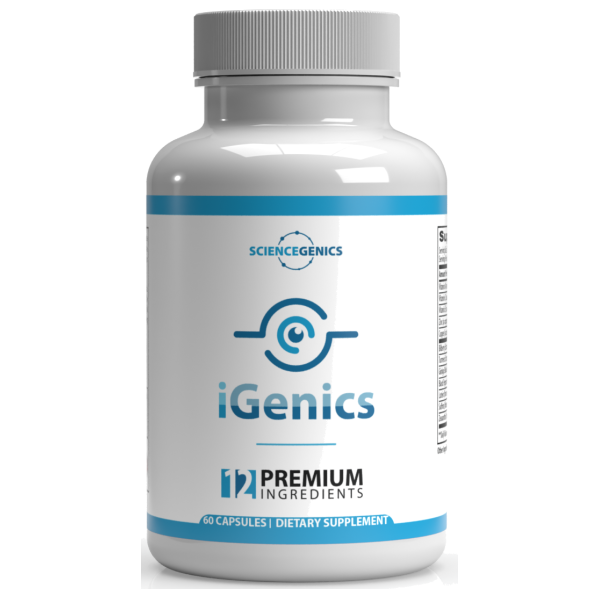
iGenics is a capsule from Science Genics sold for “healthier eyesight”. Its label lists 12 ingredients with full amounts, including vitamin C, zinc, copper, lutein, zeaxanthin, saffron, bilberry, turmeric and ginkgo. This review compares it with the AREDS2 eye vitamins that have real trial evidence, explains who those vitamins help, and covers the prices and the guarantee.
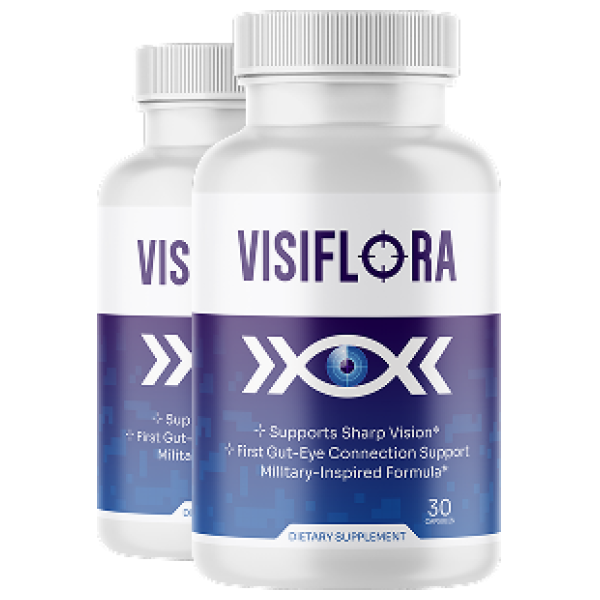
VisiFlora is a one-a-day capsule sold as a “22-in-1” vision formula that “starts in the gut”. Its page names ingredients such as lutein, zeaxanthin, astaxanthin, bilberry, saffron, zinc and beta-carotene, but publishes no label. This review covers what the research shows for those ingredients, why the missing label and the beta-carotene matter, the real prices and the 60-day refund.
Deeper Analysis of Eye Health
AREDS2: the one formula with strong evidence
In AREDS, a National Eye Institute trial of 3,640 people aged 55–80 followed for about six years, high doses of vitamins C and E, beta-carotene and zinc cut the odds of developing advanced AMD by about a quarter, with the clearest benefit in people who already had intermediate AMD; people with only small drusen had a low risk to begin with (1.3% over five years). In AREDS2, lutein and zeaxanthin proved a suitable replacement for beta-carotene, which was dropped because it was linked to more lung cancers in former smokers (2.0% against 0.9%). Adding omega-3 fish oils did not help, and lowering zinc to 25 mg made no apparent difference.
The AREDS2 formula is 500 mg vitamin C, 400 IU vitamin E, 10 mg lutein, 2 mg zeaxanthin, 80 mg zinc and 2 mg copper a day. It is meant for people with intermediate AMD, or late AMD in one eye. It slows progression; it does not restore lost vision, and the National Eye Institute says there is no treatment for early AMD.
Other eye supplements
- Lutein and zeaxanthin on their own: they raise pigment levels in the macula, but in AREDS2, adding them did not significantly lower progression to advanced AMD overall, and they did not reduce cataract surgery, except possibly in people who ate the least of them.
- Saffron: in a three-month crossover trial in 100 adults with mild or moderate AMD, 20 mg a day slightly improved visual acuity, by less than one letter on an eye chart. Promising, but small.
- Bilberry: sold for night vision for decades, but the four most recent randomized trials were negative, and a systematic review concluded the claim is not supported by rigorous evidence.
- Fish oil for dry eye: in the DREAM trial, 535 people with moderate to severe dry eye took fish oil or an olive oil placebo for a year, with no difference in symptoms or eye tests.
- Astaxanthin: a few small, mostly industry-funded trials suggest it may ease screen-related eye strain; effects on eye disease are not established. More on astaxanthin.
- Ginkgo: small trials in glaucoma and AMD are inconclusive, and it may raise bleeding risk with blood thinners. More on ginkgo.
Ingredients to be careful with
- Beta-carotene: if you smoke or used to smoke, avoid eye formulas that contain it; AREDS2 linked it to more lung cancers in former smokers.
- High-dose zinc: the AREDS dose of 80 mg is twice the adult upper limit of 40 mg and is meant for people with AMD; long-term high zinc can cause copper deficiency, which is why the formula adds copper. More on zinc.
- Vitamin E: 400 IU a day raised prostate cancer risk in a large trial in men, another reason to take AREDS2 doses only if you need them. More on vitamin E.
How the eye supplements we review compare
- iGenics (3.4 out of 5): lists every amount and matches AREDS2 for vitamin C, lutein, zeaxanthin and copper, with sensible zinc and saffron at a trial dose, but only 0.268 mg of vitamin E, and the seller publishes no refund policy.
- VisiFlora (2.2): about 21 ingredients in one capsule a day with no label, including beta-carotene, sold on an untested “gut-eye” idea. 60-day refund.
If your eye doctor recommends AREDS2 vitamins, a standard AREDS2 formula sold in pharmacies matches the trial doses exactly.
When to see an eye doctor urgently
Go to an eye doctor or emergency room right away if you notice a lot of new floaters, flashes of light, or a dark shadow or curtain across your vision; the National Eye Institute calls retinal detachment a medical emergency. Sudden loss of vision, or a painful red eye with blurred vision, also needs same-day care. Otherwise, have regular eye exams, especially after 55 or if you have diabetes.
Key Ingredients for Eye Health
Vitamin C 500 mg, vitamin E 400 IU, lutein 10 mg, zeaxanthin 2 mg, zinc 80 mg and copper 2 mg; slows progression to advanced AMD in people with intermediate AMD.
A suitable replacement for beta-carotene in AREDS2; on their own they did not reduce cataract surgery overall.
20 mg a day slightly improved visual acuity over three months in 100 adults with mild or moderate AMD.
The four most recent randomized trials found no benefit for night vision.
No better than an olive oil placebo for dry eye in the year-long DREAM trial, and no added benefit for AMD in AREDS2.
Small, mostly industry-funded trials suggest it may ease screen-related eye strain.
Dropped from AREDS2 after it was linked to more lung cancers in former smokers.
The 80 mg AREDS dose is twice the adult upper limit and is meant for people with AMD; copper is added to prevent deficiency.
Frequently Asked Questions
For people with intermediate age-related macular degeneration, the AREDS2 vitamins (vitamin C, vitamin E, lutein, zeaxanthin, zinc and copper) have the strongest evidence: they slowed progression to advanced disease in large trials. For healthy eyes, no supplement has been shown to improve vision or prevent eye disease.
AREDS2 is a National Eye Institute trial and the supplement formula that came from it: 500 mg vitamin C, 400 IU vitamin E, 10 mg lutein, 2 mg zeaxanthin, 80 mg zinc and 2 mg copper a day. It replaced the beta-carotene in the original AREDS formula with lutein and zeaxanthin.
People with intermediate age-related macular degeneration, or late AMD in one eye, on their eye doctor’s advice. The National Eye Institute says there is no treatment for early AMD, and the trials did not show benefits for people with healthy eyes.
No. No supplement has been shown to restore lost vision or replace glasses. The AREDS2 vitamins slow the progression of macular degeneration in people who have it, but they do not reverse damage or sharpen healthy eyes.
Lutein raises pigment levels in the macula and works as a replacement for beta-carotene in the AREDS2 formula. On its own, adding lutein and zeaxanthin did not significantly lower progression to advanced AMD overall in AREDS2, and did not reduce cataract surgery.
Probably not. A systematic review found the four most recent randomized trials were all negative and concluded that the night vision claim is not supported by rigorous evidence.
In the year-long DREAM trial of 535 people with moderate to severe dry eye, fish oil did no better than an olive oil placebo for symptoms or eye tests.
Neither fully. iGenics lists every amount and matches AREDS2 for vitamin C, lutein, zeaxanthin and copper, but has only 0.268 mg of vitamin E. VisiFlora shows no label, puts about 21 ingredients in one capsule and includes beta-carotene, which AREDS2 dropped.
Go to an eye doctor or emergency room right away for a lot of new floaters, flashes of light, or a dark shadow or curtain across your vision, which can mean a retinal detachment. Sudden loss of vision or a painful red eye with blurred vision also needs same-day care.
⚖️ Conclusion
Only one eye supplement has strong evidence: the AREDS2 vitamins slowed progression to advanced macular degeneration in people who already had intermediate disease. They do not prevent macular degeneration in healthy eyes, did not reduce cataract surgery and do not restore lost vision. Saffron shows early promise, while bilberry for night vision and fish oil for dry eye did not hold up in rigorous trials.
If you have intermediate macular degeneration, ask your eye doctor about a standard AREDS2 formula, and avoid formulas with beta-carotene if you smoke or used to. If your eyes are healthy, skip the vision supplements: regular eye exams, not smoking and a diet rich in leafy greens do more. Never let a supplement delay a visit to an eye doctor for new floaters, flashes or a shadow across your vision.