
Home » Ingredients » French Maritime Pine Bark
French Maritime Pine Bark Extract: What the Research Shows
French Maritime Pine Bark is a premium botanical extract derived from the Pinus pinaster tree, prized for its high concentration of oligomeric proanthocyanidins. This potent antioxidant supports cardiovascular health, cognitive function, and skin elasticity through natural anti-inflammatory mechanisms.
Last updated 6 October 2026
French Maritime Pine Bark: the short answer
Small trials, mostly of the branded extract Pycnogenol at 50-360 mg a day, report modest improvements in blood pressure, blood sugar, leg vein symptoms, asthma and knee osteoarthritis. A 2020 Cochrane review rated the evidence for every condition as very low certainty, so these benefits are not established.
| What it is | A bark extract from the French maritime pine (Pinus pinaster), rich in polyphenols called proanthocyanidins. Pycnogenol is the most-studied brand. |
|---|---|
| Most studied for | Blood pressure, cholesterol and blood sugar; chronic venous insufficiency; asthma; ADHD in children; knee osteoarthritis; menopause symptoms; erectile dysfunction. |
| Amounts used in studies | Pycnogenol 50-360 mg a day, most often 100-200 mg, for 2-24 weeks. |
| Strength of evidence | Limited. A Cochrane review of 27 small trials (1,641 people) rated every outcome very low certainty; a 2025 meta-analysis found small drops in blood pressure (about 2 mmHg) and fasting blood sugar (about 6 mg/dL), with a high risk of bias in many trials. |
| Safety | Reported side effects include stomach upset, headache, nausea and diarrhea. It slows blood clotting, so take care with blood thinners and aspirin, and check with a doctor if you take immunosuppressants or diabetes medicines. Not recommended in pregnancy, while breastfeeding or for children, for lack of safety data. |
| In products we review | Joint Genesis, JointVive, NeuroPrime, Pineal Guardian X |
Sources: Cochrane review, 27 trials · Cochrane plain-language summary · 2025 meta-analysis · J Prim Health Care: safety and interactions
Benefits of French Maritime Pine Bark
What is French Maritime Pine Bark?
French Maritime Pine Bark extract is a natural plant-based ingredient derived from the bark of the mono-species maritime pine tree (Pinus pinaster) that grows exclusively in the Les Landes de Gascogne forest in southwest France. This pristine forest, located along the Atlantic coast, provides a unique environment where the trees are exposed to specific climatic conditions that stimulate the production of high levels of bioactive compounds. Unlike other pine species, the French maritime pine is grown in a sustainable manner, with the bark being a byproduct of the timber industry, ensuring an eco-friendly source for nutritional supplementation.
A Brief History of Discovery
The history of this ingredient is rooted in maritime exploration. In the 1530s, the French explorer Jacques Cartier and his crew were stranded in the harsh Canadian winter, suffering from scurvy. Local indigenous people provided them with a tea made from pine bark and needles, which led to a miraculous recovery. Centuries later, researchers identified that while the needles provided Vitamin C, the bark contained massive amounts of bioflavonoids that amplified the effects of the vitamin. In the late 20th century, the extraction process was standardized, leading to the high-potency extracts used in modern clinical research today.
Top Rated Supplements with French Maritime Pine Bark
Products we review that list French Maritime Pine Bark as an ingredient. Not every product discloses how much of each ingredient a serving contains, so check each review before assuming it matches the amounts used in studies.
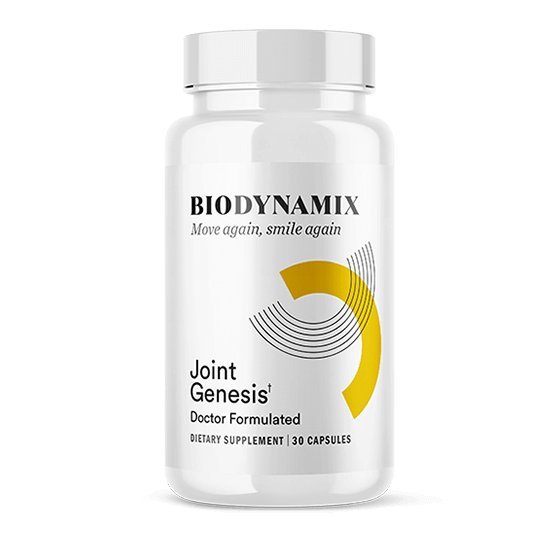
Joint Genesis is a dietary supplement designed by BioDynamix to support joint health by focusing on the quality of synovial fluid, often referred to as 'joint jelly.' Unlike many traditional supplements that focus solely on cartilage, this formula aims to maintain the thickness and lubricating properties of the fluid that cushions your joints. It is primarily formulated for older adults or those experiencing the common stiffness associated with aging and daily physical activity.
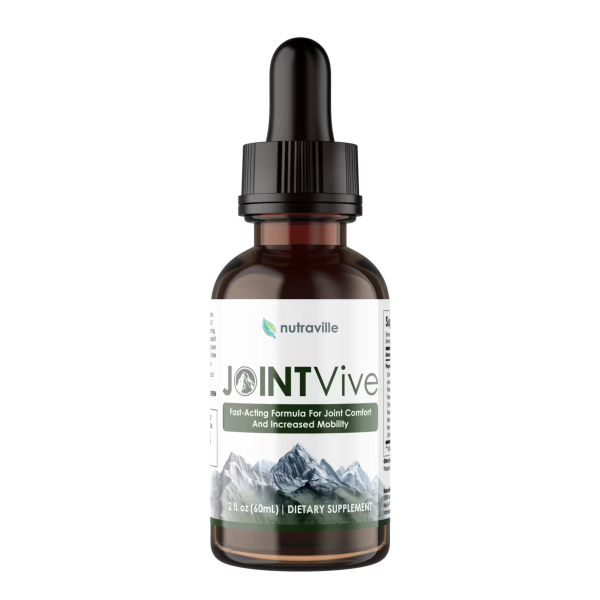
JointVive is a liquid supplement from Nutraville sold for joint comfort, flexibility and mobility, taken as “one drop per day” from a 60 ml dropper bottle. It names nine ingredients: pine bark extract, tamarind, chlorella, ginkgo biloba, spirulina, lion’s mane mushroom, bacopa, moringa and neem, with no amounts. This review covers what is known about each, why only two of them have any joint research, the real prices and how the 365-day refund works.
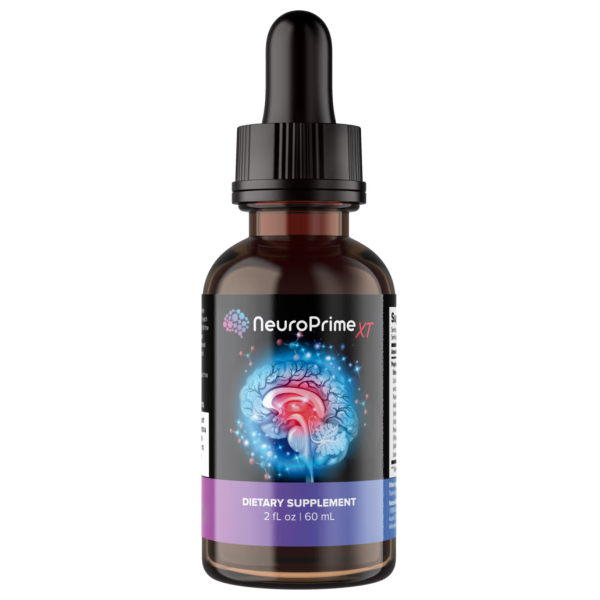
NeuroPrime is a liquid memory supplement in a 60 mL dropper bottle, with bacopa, lion’s mane, ginkgo, pine bark and five other ingredients. This review covers what is in it, why the dose is unclear, which ingredients have trials, the references we checked, and how its 365-day guarantee compares with its return policy.

Pineal Guardian X is a liquid memory supplement sold through ClickBank on a story that fluoride hardens the pineal gland and causes memory loss. Its nine ingredients are the same as NeuroPrime’s, from the same company. This review checks the claims, the prices and the refund rules.
Scientific Analysis of French Maritime Pine Bark
The Science Behind the Extract: Mechanism of Action
The primary therapeutic value of French Maritime Pine Bark lies in its complex mixture of procyanidins, phenolic acids, and bioflavonoids. The most significant of these are the oligomeric proanthocyanidins (OPCs), which act as antioxidants in laboratory tests. The mechanism of action is multi-layered. Firstly, it acts as a direct antioxidant, neutralizing reactive oxygen and nitrogen species. Secondly, it stimulates the body's own internal antioxidant systems, such as glutathione and superoxide dismutase. It is also thought to increase the production of Nitric Oxide (NO) by stimulating the enzyme endothelial nitric oxide synthase (eNOS). This may relax blood vessels, although trials found only small drops in blood pressure (about 2 mmHg).
Cardiovascular Health and Circulation
French Maritime Pine Bark has been studied most for its effects on the cardiovascular system. Research indicates that the extract helps maintain healthy circulation by preventing the constriction of blood vessels. Small clinical trials have reported improvements in Chronic Venous Insufficiency (CVI), a condition where blood struggles to return from the legs to the heart, but a Cochrane review rated this evidence very low certainty. Patients taking the extract often report reduced leg swelling (edema), decreased pain, and a reduction in the heavy sensation associated with poor circulation. Furthermore, by improving the integrity of capillary walls, it helps prevent leakage into surrounding tissues, which is a common issue in diabetic microangiopathy.
Cognitive Function and Mental Clarity
French Maritime Pine Bark has emerged as a potent nootropic. Laboratory research suggests some of its compounds may reach the brain, but protection of human brain tissue has not been shown. Studies focusing on various age groups have shown promising results. Small studies, including some in children with ADHD, have reported better attention, but a Cochrane review found the evidence too weak to draw conclusions. In healthy professionals, it has demonstrated an ability to enhance memory, spatial awareness, and executive function. Claims that it slows age-related cognitive decline have not been established in good-quality trials.
Skin Health and Anti-Aging
In the realm of nutricosmetics, French Maritime Pine Bark is a superstar ingredient. It has a unique affinity for collagen and elastin, the two proteins responsible for skin structure and elasticity. The extract binds to these proteins, protecting them from enzymatic degradation and oxidative damage. Small studies have reported improvements in skin hydration and elasticity, but the evidence is limited. Claims that it treats melasma or protects against sun damage rest on small studies, and it is not a substitute for sunscreen.
Managing Inflammation and Joint Health
Chronic inflammation is the root cause of many degenerative diseases, including osteoarthritis. French Maritime Pine Bark inhibits the activation of NF-kappaB, a protein complex that controls the transcription of DNA and is a major player in the inflammatory response. In small trials of people with knee osteoarthritis, it was linked to less joint pain and stiffness, but a Cochrane review rated this evidence very low certainty. Some of these trials also reported that participants used fewer painkillers (NSAIDs), but they were small.
Metabolic Support and Blood Sugar Regulation
Emerging research suggests that French Maritime Pine Bark can play a role in metabolic health. In laboratory studies it inhibits the enzyme alpha-glucosidase, which could slow the absorption of carbohydrates. This results in a more gradual rise in blood glucose levels after meals. For people with type 2 diabetes or metabolic syndrome, a 2025 meta-analysis found a small drop in fasting blood sugar (about 6 mg/dL), with a high risk of bias in many of the trials. Possible benefits for diabetic eye or blood-vessel complications have not been established.
Respiratory Health and Allergy Relief
The anti-inflammatory and antihistamine properties of the extract make it useful for respiratory conditions. One small study in asthma reported better lung function and less use of rescue inhalers, but the Cochrane review rated this evidence very low certainty. It works by inhibiting the release of histamine from mast cells, which is the primary trigger for allergic reactions. This makes it an effective natural option for managing seasonal allergies and hay fever symptoms without the drowsiness often associated with pharmaceutical antihistamines.
Safety Profile and Potential Side Effects
Trials of French maritime pine bark extract rarely reported serious side effects, but a 2020 Cochrane review concluded there was not enough evidence to judge its safety. Side effects are rare and generally mild, typically limited to gastrointestinal discomfort, such as nausea or an upset stomach, which can usually be avoided by taking the supplement with food. Some individuals may experience dizziness or headaches during the first few days of use. Because the extract stimulates the immune system, people with autoimmune diseases (like lupus or multiple sclerosis) should use it with caution. Furthermore, due to its ability to improve circulation and thin the blood slightly, it may interact with anticoagulant or antiplatelet medications. Always consult with a healthcare provider before beginning a new supplement regimen, especially if you are pregnant, nursing, or scheduled for surgery.
Frequently Asked Questions
Most clinical studies used 50 mg to 360 mg a day of Pycnogenol, most often 100 mg to 200 mg. The amount varied with the condition being studied.
Trials lasted from 2 to 24 weeks, so any benefit is likely to take several weeks to judge.
It is generally recommended to take the extract with or after a meal. This helps to maximize absorption and significantly reduces the likelihood of experiencing mild stomach upset or nausea.
Yes, it may interact with blood thinners (like warfarin or aspirin) due to its natural blood-flow-enhancing properties. It may also interact with immunosuppressants and diabetes medications. Consult your doctor if you are taking any prescription drugs.
Pycnogenol is a specific, standardized, and trademarked brand of French Maritime Pine Bark extract. While other extracts exist, Pycnogenol is the version used in the vast majority of clinical research, ensuring a consistent ratio of active compounds.
⚖️ Conclusion
French Maritime Pine Bark extract has been tested for many conditions, but mostly in small trials that a 2020 Cochrane review rated very low certainty. The primary strength of this ingredient lies in its rich concentration of proanthocyanidins, which act as potent antioxidants that neutralize oxidative stress and bolster the body’s internal defense systems. Extensive scientific research has consistently demonstrated its efficacy in enhancing cardiovascular health by promoting healthy blood circulation and supporting endothelial function through nitric oxide production. Benefits for skin and thinking are not established. Long-term safety is not well established, so individuals on blood-thinning medications or those with autoimmune conditions should consult a healthcare professional before starting supplementation. Overall, for those seeking a high-quality, evidence-based ingredient to support heart, skin, and brain health, French Maritime Pine Bark is a top-tier choice. Standardized brands such as Pycnogenol make products more consistent, but consistency is not the same as proven benefit.