
Home » Ingredients » Greenselect Phytosome
GreenSelect Phytosome: What the Research Shows
Greenselect Phytosome is a caffeine-free green tea extract bound to phospholipids, designed to improve how well EGCG is absorbed. It has been tested in a few small human trials, mainly for weight management alongside a reduced-calorie diet.
Last updated 6 October 2026
Greenselect Phytosome: the short answer
Human research on GreenSelect Phytosome is limited to a few small trials, several with authors linked to the product's maker or developer. With a calorie-reduced diet, 300 mg a day was linked to extra weight loss in one unblinded trial and better weight maintenance in another. Evidence for other benefits is preliminary.
| What it is | A caffeine-free green tea (Camellia sinensis) catechin extract bound to phospholipids (lecithin) using Indena's Phytosome process. The maker's specification is at least 13% EGCG and no more than 0.1% caffeine (manufacturer data). |
|---|---|
| Most studied for | Weight loss and weight maintenance alongside a reduced-calorie diet, plus metabolic syndrome markers such as waist size and blood lipids. |
| Amounts used in studies | 300 mg a day, taken as 150 mg twice daily, for 4 to 24 weeks (90 days in the main weight-loss trial). One 3-month weight-maintenance trial added 15 mg piperine per dose. In one study, 300 mg supplied about 45 mg of EGCG. |
| Strength of evidence | Limited: a handful of small trials (28 to 100 people), the largest with no placebo or blinding, several with authors linked to the ingredient's maker or developer, and no systematic review of this specific product. |
| Safety | Well tolerated in short trials (up to 24 weeks), with no notable side effects reported. Green tea extracts have rarely been linked to liver injury; EFSA found raised liver enzymes at 800 mg EGCG a day or more, far above the dose in this product. Green tea can lower blood levels of some drugs (e.g., nadolol, atorvastatin). People with liver disease, pregnant or breastfeeding women and anyone on medicines should ask a doctor first. |
| In products we review | LeanBiome (Biome) |
Sources: Di Pierro 2009 weight-loss trial · Gilardini 2016 weight-maintenance RCT · EFSA green tea catechins opinion · NCCIH green tea overview
Benefits of Greenselect Phytosome
What is Greenselect Phytosome?
Greenselect Phytosome is a proprietary, standardized, and caffeine-free green tea extract (Camellia sinensis) formulated with Indena's patented Phytosome technology. While green tea has been consumed for thousands of years for its medicinal properties, its primary active components—polyphenols known as catechins—are notoriously difficult for the human body to absorb. Greenselect Phytosome aims to address this by binding the polyphenols to phospholipids, the same type of fat molecule found in cell membranes.
The History and Origin
The ingredient is derived from the dried leaves of the Camellia sinensis plant, specifically selected for high concentrations of epigallocatechin-3-O-gallate (EGCG), the most potent catechin found in green tea. Developed by the Italian biotech company Indena S.p.A., the Phytosome process was born out of a need to improve the pharmacokinetic profile of botanical extracts. By leveraging lecithin (often derived from soy or sunflower), researchers were able to create a lipid-compatible molecular complex that allows the water-soluble EGCG to pass more efficiently through the intestinal barrier into the bloodstream.
Top Rated Supplements with Greenselect Phytosome
Products we review that list Greenselect Phytosome as an ingredient. Not every product discloses how much of each ingredient a serving contains, so check each review before assuming it matches the amounts used in studies.
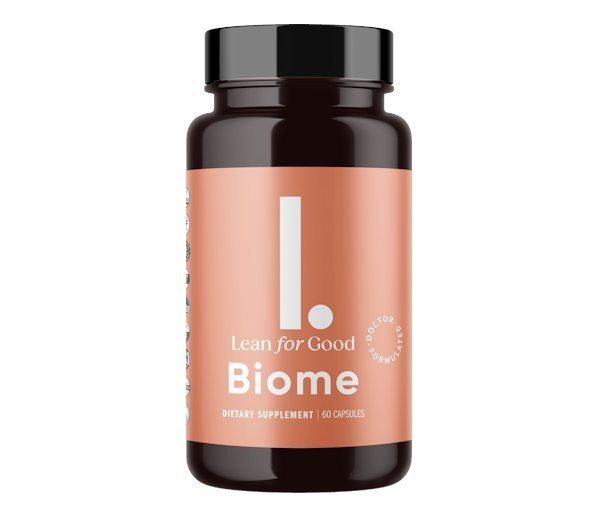
LeanBiome, now sold as Biome by Lean for Good, is a capsule marketed for weight management through gut health. Its label lists nine probiotic species (20 billion CFU a day), a small amount of inulin, a caffeine-free green tea phytosome and two plant extracts, Sphaeranthus indicus and mangosteen rind. The combined formula has not been tested in a published trial, and the two plant extracts are at half the dose used in trials of a similar blend, so any effect on weight is unproven.
Scientific Analysis of Greenselect Phytosome
The Mechanism of Action: Why Phytosome Matters
The primary challenge with standard green tea extracts is their low bioavailability. Catechins like EGCG are large, highly polar molecules that do not easily cross the lipid-rich membranes of the digestive tract. As a result, blood levels of EGCG after standard green tea extracts tend to be low and short-lived. Greenselect Phytosome combines green tea extract with phospholipids and is standardized by the maker to at least 13% EGCG. This creates a small, stable complex where the EGCG is anchored to the polar head of the phospholipid, while the lipid-soluble tails facilitate transport across cell membranes. A small single-dose study in volunteers found higher blood EGCG levels with the phytosome form than with the same extract in free form.
Metabolic Rate and Thermogenesis
One proposed way Greenselect Phytosome might work is by influencing metabolism. EGCG is known to inhibit catechol-O-methyltransferase (COMT), an enzyme that breaks down norepinephrine. In theory, this could prolong norepinephrine's action and slightly raise energy use; one small trial in 28 women found a modest rise in resting energy expenditure versus placebo. Greenselect Phytosome is standardized to no more than 0.1% caffeine, so it supplies very little caffeine; in one trial it did not change blood pressure or heart rate.
Health Benefits and What the Research Shows
A few small human trials have tested Greenselect Phytosome, mainly for weight management and metabolic syndrome markers. In a 90-day study of 100 overweight adults with no placebo or blinding, those taking 150 mg of Greenselect Phytosome twice daily alongside a calorie-restricted diet lost about 14 kilograms (roughly 30 pounds). In contrast, the control group following the same diet without the supplement lost only 5 kilograms (11 pounds). Because the study had no placebo and was not blinded, it suggests, but does not prove, that the ingredient adds to the effect of dieting.
Support for Cardiovascular and Metabolic Health
Beyond weight loss, Greenselect Phytosome has shown promise in improving markers of metabolic syndrome. Small studies have reported reductions in waist size and some blood lipids, although in one trial lipids also improved with diet alone. Green tea catechins act as antioxidants in lab tests, but reduced oxidative stress in blood vessels has not been shown for this product in people. Claims that it protects LDL cholesterol or arteries have not been tested in human trials of this product.
Antioxidant Effects
EGCG has antioxidant activity in lab studies, but cell-protective effects of Greenselect Phytosome in people have not been demonstrated. Polyphenols act as scavengers of free radicals, which are unstable molecules that can damage DNA and cellular structures. Small studies show EGCG reaches the blood and some tissues after taking this product, but it has not been compared with drinking green tea.
Scientific Studies: A Closer Look
A 2009 review in 'Alternative Medicine Review' summarized evidence that the Phytosome form is absorbed better than standard extract. Researchers found that subjects who consumed Greenselect Phytosome had significantly higher plasma levels of EGCG compared to those who took a standard green tea extract. Whether this leads to greater health effects has not been directly shown. A 60-day placebo-controlled trial in 28 overweight post-menopausal women found more fat burning and a slightly smaller waist than placebo, but no significant difference in visceral fat.
Potential Side Effects and Safety Profile
Greenselect Phytosome was well tolerated in the small, short trials published so far. Because it contains very little caffeine, caffeine-related effects such as insomnia or jitteriness are unlikely. The small published trials reported no notable adverse effects, but none lasted longer than 24 weeks. However, people with liver conditions should consult a physician first, as green tea extracts have rarely been linked to liver injury, and EFSA found raised liver enzymes at 800 mg or more of EGCG a day. The 300 mg daily dose used in trials (about 45 mg EGCG) was well tolerated for up to 24 weeks; longer-term safety has not been studied.
- Caffeine Content: No more than 0.1% by specification, or under 0.3 mg in a 300 mg daily dose.
- Allergen Note: Some Phytosome preparations use soy lecithin; individuals with severe soy allergies should check the specific source.
- Interaction: Green tea products can lower blood levels of some drugs, such as nadolol and atorvastatin; ask a doctor or pharmacist if you take medicines.
Frequently Asked Questions
The dose used in clinical trials is 300 mg per day, split into two 150 mg doses, for example before lunch and before dinner.
Only a trace: it is a decaffeinated extract specified at no more than 0.1% caffeine, which may suit people who want to avoid caffeine.
Studies have given it shortly before lunch and dinner; whether taking it with food changes absorption or tolerance has not been well studied.
In the main weight-loss trial, a clear difference from diet alone was seen at 90 days, not at 45 days, alongside a reduced-calorie diet.
Yes, in terms of absorption. A small study found higher blood EGCG levels than with a standard green tea extract; it has not been compared with green tea beverages.
⚖️ Conclusion
Greenselect Phytosome differs from many green tea supplements in using a phospholipid delivery system designed to improve the poor absorption of green tea polyphenols. Binding epigallocatechin-3-O-gallate (EGCG) to phospholipids raised blood EGCG levels in a small absorption study. A few small clinical trials suggest benefits for weight management and metabolic markers, but larger independent trials are lacking. In a ninety-day study without a placebo or blinding, participants using Greenselect Phytosome alongside a calorie-restricted diet lost more weight and BMI than the diet-only group. Its very low caffeine content may suit people who want to avoid stimulants. Among green tea extracts, the Phytosome version has some human absorption data, but it has not been shown to give better health results than other extracts. For optimal outcomes, it should be integrated into a balanced lifestyle involving regular exercise and proper nutrition. Based on the small human trials so far, Greenselect Phytosome appears well tolerated short term and may modestly help weight loss or maintenance with diet, but long-term evidence is lacking.