
Home » Ingredients » Gymnema Sylvestre
Gymnema Sylvestre for Blood Sugar: What the Research Shows
Gymnema Sylvestre is a medicinal herb native to tropical forests, used in Ayurvedic medicine to curb sugar cravings and support healthy glucose levels. Often called 'Gurmar,' it has been studied for blood sugar control, although most trials are small.
Last updated 6 October 2026
Gymnema Sylvestre: the short answer
Gymnema briefly dulls the taste of sweet foods, and small studies show people eat less sugary food in the short term. A few small, mostly low-quality trials suggest modest drops in blood sugar in type 2 diabetes, so the evidence is limited.
| What it is | A leaf extract from an Indian climbing vine. Its gymnemic acids briefly block the sweet-taste receptors on the tongue. |
|---|---|
| Most studied for | Blood-sugar control in type 2 diabetes, metabolic syndrome and weight, and the desire for and intake of sweet food. |
| Amounts used in studies | 400-1,000 mg a day of leaf extract for 8 weeks to 20 months; the one placebo-controlled trial used 600 mg a day for 12 weeks. Sweet-craving studies used gymnema lozenges or mints, taken once or for up to 14 days. |
| Strength of evidence | Limited. A meta-analysis of six trials rated them low quality, and the best controlled trial (24 people) found little change in blood sugar. |
| Safety | Mild, short-lived diarrhea or bloating, at rates similar to placebo. Rare liver-injury reports exist, mostly weakly linked to gymnema (NIH LiverTox). Because it may lower blood sugar, check with your doctor if you take diabetes medicines. |
| In products we review | Gluco6, GlucoTrust, Audifort, ZenCortex, Sugar Defender |
Sources: Meta-analysis of six trials · 12-week placebo-controlled trial · NIH LiverTox: Gymnema · Lozenge and sweet-food study
Benefits of Gymnema Sylvestre
What is Gymnema Sylvestre?
Gymnema sylvestre is a perennial, woody vine that belongs to the Apocynaceae family. Native to the tropical regions of India, Africa, and Australia, this climbing plant has been a cornerstone of traditional medicine systems for thousands of years. It is characterized by its small, yellow, umbel-shaped flowers and elliptical leaves, which contain the potent bioactive compounds responsible for its therapeutic effects.
The History of the "Sugar Destroyer"
The history of Gymnema sylvestre is deeply rooted in Ayurveda, the ancient Indian system of medicine. In Sanskrit, the plant is known as 'Gurmar,' which literally translates to 'sugar destroyer.' This name was earned through a unique property: when the leaves are chewed, they temporarily interfere with the ability to taste sweetness. Historically, Ayurvedic practitioners used the plant to treat various conditions, including malaria, snakebites, and digestive issues, but its most prominent role was in the management of 'Madhumeha,' or honey-like urine, a condition we now recognize as diabetes. Over the centuries, its use spread across the globe, eventually catching the attention of modern researchers in the late 19th and early 20th centuries, leading to the clinical interest we see today.
Top Rated Supplements with Gymnema Sylvestre
Products we review that list Gymnema Sylvestre as an ingredient. Not every product discloses how much of each ingredient a serving contains, so check each review before assuming it matches the amounts used in studies.
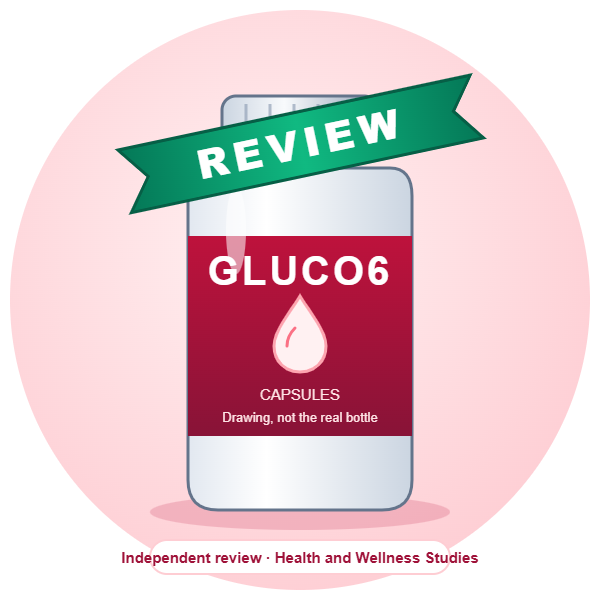
Gluco6 is a dietary supplement marketed to support healthy blood sugar levels and metabolism, with six ingredients including gymnema, chromium, cinnamon and Sukré. Its maker says it helps GLUT-4, the protein that lets glucose into muscle and fat cells, work better, but this has not been tested in the product itself. This review examines its components, potential benefits, and what users can realistically expect from adding it to their daily wellness routine.
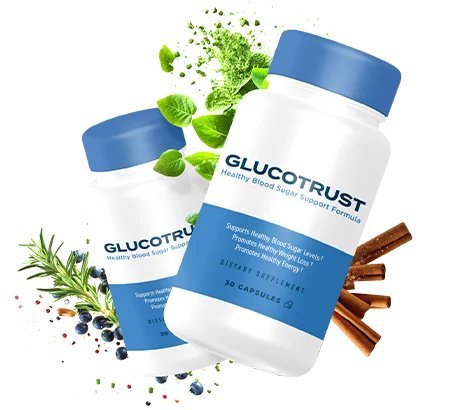
GlucoTrust is a dietary supplement marketed to support healthy blood sugar levels and sleep quality, using a blend of herbs, a vitamin and minerals. It is aimed at people who want to add a supplement to diet and exercise, and its marketing links sleep to blood sugar, although none of its listed ingredients has been studied as a sleep aid. While not a replacement for medical treatment, it offers a lifestyle-oriented approach to wellness.
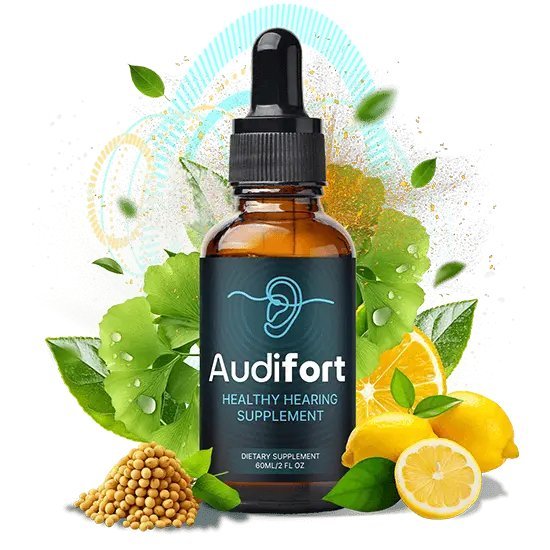
Audifort is a liquid dietary supplement marketed for hearing support and ringing in the ears, made from a blend of plant extracts, amino acids and a trace of chromium. This review looks at what is actually in the formula, what the evidence supports, what a realistic trial costs, and when hearing symptoms warrant an audiologist rather than a supplement.

ZenCortex is a liquid supplement marketed for hearing support, memory and mental sharpness. This liquid supplement is designed for individuals who are tired of the constant ringing, buzzing, or muffled sounds that often accompany aging or environmental exposure. In this review we look at the evidence behind the formula, which the vendor says contains over 20 ingredients, mostly plant extracts plus amino acids. ZenCortex comes as liquid drops rather than pills; there is no published evidence that this format is absorbed better. Whether you are looking to sharpen your mental focus or protect your delicate auditory system from oxidative stress, ZenCortex claims to provide the 360-degree support you need.

Sugar Defender is a liquid sold for blood sugar and weight loss. This review covers its full label, which turns out to be identical to ZenCortex’s, what research shows for chromium, gymnema, ginseng and the rest at the amounts in the drops, what people taking diabetes medicines should know, the real prices and the 60-day refund.
Scientific Analysis of Gymnema Sylvestre
The Science of Gymnema Sylvestre: Mechanism of Action
The primary therapeutic power of Gymnema sylvestre lies in its complex phytochemical profile, most notably a group of triterpene saponins known as gymnemic acids. These molecules are structural analogues of glucose, meaning they possess a chemical shape similar to sugar molecules. This structural similarity allows them to interact with biological receptors in two distinct ways.
1. Blocking Sweet Taste Receptors
When Gymnema sylvestre comes into contact with the tongue, the gymnemic acids bind to the G-protein coupled receptors located on the taste buds. Because they occupy these receptor sites, they prevent actual sugar molecules from binding. This results in a temporary phenomenon where sweet foods lose their flavor profile, often tasting like sand or chalk. By dulling the taste of sweet foods, Gymnema may reduce sugar cravings and sweet-food intake in the short term.
2. Inhibiting Intestinal Glucose Absorption
The mechanism extends beyond the mouth and into the digestive tract. In the small intestine, gymnemic acids attach to the receptor sites on the external layers of the intestinal wall. By 'plugging' these receptors, the herb physically blocks the absorption of sugar molecules from food into the bloodstream. This may lower after-meal blood glucose, although the effect in human trials has been modest and inconsistent.
Health Benefits and What the Research Shows
Blood Sugar Management and HbA1c Reduction
Gymnema has been studied in both Type 1 and Type 2 diabetes, but a meta-analysis rated the trials low quality. In an often-cited 1990 study of 22 patients with Type 2 diabetes, those who took 400 mg of Gymnema extract daily for 18 to 20 months had lower blood glucose and HbA1c, but the study had no placebo group; the best placebo-controlled trial (24 people, 12 weeks) found little change in blood sugar. Remarkably, many participants were able to reduce their dosage of conventional oral hypoglycemic drugs. Another study on Type 1 diabetics found that Gymnema extract reduced insulin requirements and lowered fasting blood glucose, suggesting it may support the regeneration of residual beta cells in the pancreas.
Weight Loss and Appetite Suppression
Gymnema sylvestre is a popular ingredient in weight management supplements due to its dual-action approach. By inhibiting the taste of sugar, it reduces the psychological drive to consume high-calorie sweets. Whether this leads to less overeating is unclear: a 14-day study found no overall difference in food intake. Research indicates that individuals using Gymnema extract before meals tend to consume fewer calories and report higher levels of satiety compared to placebo groups.
Improving Lipid Profiles and Heart Health
Beyond glucose, Gymnema sylvestre has shown promise in improving lipid metabolism. Some animal and small human studies suggest effects on cholesterol and triglycerides, but the evidence is weak. Effects on heart health have not been shown in good-quality human trials.
Antioxidant and Anti-inflammatory Properties
The plant is rich in tannins and flavonoids, which possess potent antioxidant properties. These compounds help neutralize free radicals and reduce oxidative stress, which is often elevated in individuals with chronic metabolic conditions. Claims that Gymnema protects the kidneys or other organs from diabetes complications come from animal research and have not been shown in people.
Dosage, Safety, and Potential Side Effects
The standard dosage for Gymnema sylvestre extract (standardized to 25% gymnemic acids) typically ranges from 400 mg to 600 mg per day, often divided into two or three doses. For those using it specifically to block sugar cravings, a liquid extract or lozenge may be more effective as it must physically touch the tongue.
In trials, side effects were mild (short-lived diarrhea or bloating) and similar to placebo, although rare cases of liver injury have been reported (NIH LiverTox). Because it may lower blood sugar, people taking insulin or oral diabetes medicines should talk to their doctor first, as the combination could cause hypoglycemia (dangerously low blood sugar). Common mild side effects may include nausea or headache if taken on an empty stomach. It is not recommended for pregnant or breastfeeding women, nor for children, due to a lack of safety data in these populations. Always consult with a healthcare professional before adding Gymnema to your regimen, especially if you have a pre-existing medical condition.
Conclusion
Gymnema sylvestre continues to be studied, but claims about liver health or cancer come from laboratory research only. As we continue to navigate a world filled with processed sugars and rising metabolic disorders, this ancient botanical offers a natural, evidence-based solution for reclaiming metabolic control.
Frequently Asked Questions
For optimal results in managing blood sugar and cravings, it is best to take Gymnema Sylvestre 15 to 30 minutes before a meal. If you are using it specifically to stop sugar cravings, taking it before your most vulnerable time of day (such as the afternoon or after dinner) may help.
The 'sweet-blindness' effect caused by chewing Gymnema leaves or using a liquid extract typically lasts between 30 and 60 minutes. During this time, sweet foods will lack their usual flavor, making them much less appealing.
You should only take Gymnema Sylvestre under the supervision of a doctor if you are on diabetes medication. Because Gymnema lowers blood sugar, combining it with drugs like insulin or metformin may cause your blood sugar to drop too low (hypoglycemia).
One uncontrolled study followed people taking it for up to 20 months but did not report on side effects; controlled trials lasted about 12 weeks, so long-term safety is not well established. However, it is always recommended to cycle supplements or check in periodically with a healthcare provider for long-term metabolic monitoring.
⚖️ Conclusion
Gymnema sylvestre has centuries of traditional use for blood sugar, but the modern clinical evidence comes from small, mostly low-quality trials. Its unique ability to temporarily neutralize the taste of sweetness provides a behavioral tool for those struggling with sugar addiction, while its internal mechanisms offer genuine physiological support for glucose homeostasis. Its best-supported effect is that it briefly dulls sweet taste; effects on blood sugar in people with diabetes have been modest and inconsistent, and claims about regenerating pancreatic cells come from animal studies. It is not a replacement for standard medical treatment, particularly for people with diagnosed diabetes. For healthy adults who want to try it for sugar cravings, a standardized extract was well tolerated in short trials. However, due to its potent blood-sugar-lowering effects, it is essential to consult with a healthcare provider before beginning supplementation, especially if you are already taking glucose-lowering medications. Talk to your doctor first if you take diabetes medicines.