
Home » Ingredients » Hawthorn
Hawthorn: Heart Failure Evidence, Blood Pressure, Berries and Safety
Hawthorn (Crataegus) is a shrub of the rose family whose leaves, flowers and berries are used for the heart; its benefits in heart failure are modest and conflicting.
Last updated 2 November 2026
Hawthorn: the short answer
Hawthorn (Crataegus) is a flowering shrub or tree of the rose family; its berries, leaves and flowers are used in heart supplements. It has been studied mainly as an add-on treatment for chronic heart failure: smaller trials reported modest improvements in symptoms, but in the large SPICE trial of 2,681 patients over two years, the extract WS 1442 did not reduce cardiac events (27.9% against 28.9% with a placebo), and NCCIH calls the evidence conflicting. Effects on blood pressure are inconsistent. Side effects include dizziness and nausea, and it can add to the effects of heart and blood pressure medicines.
| What it is | A shrub of the rose family (Crataegus); supplements use leaf-and-flower or berry extracts. |
|---|---|
| Most studied for | Chronic heart failure, as an add-on to standard treatment. |
| Key trial | SPICE: 2,681 patients for 2 years; no difference in cardiac events (27.9% against 28.9%). |
| Strength of evidence | Conflicting for heart failure (modest symptom benefits in small trials); inconsistent for blood pressure; unclear for anxiety. |
| Safety | Dizziness, nausea, vomiting, diarrhoea, muscle pain; adds to heart and blood pressure medicines; avoid in pregnancy. Some "tejocote" products contained toxic yellow oleander. |
| In products we review | Cardio Shield, Protoflow |
Sources: Hawthorn (NCCIH) · Crataegus extract WS 1442 in heart failure: the SPICE trial (Eur J Heart Fail 2008)
Benefits of Hawthorn
What is hawthorn?
Hawthorn, Crataegus, is a flowering shrub or small tree of the rose family that grows in hedgerows across Europe, Asia and North America. Its small red berries (haws) are made into jams, teas and, in China, sweet snacks. Supplements use extracts of the leaves and flowers, or of the berries.
Why people take it
Hawthorn has a long history in European herbal medicine for the heart, and it is taken for heart failure, blood pressure, circulation and, less often, anxiety.
Top Rated Supplements with Hawthorn
Products we review that list Hawthorn as an ingredient. Not every product discloses how much of each ingredient a serving contains, so check each review before assuming it matches the amounts used in studies.
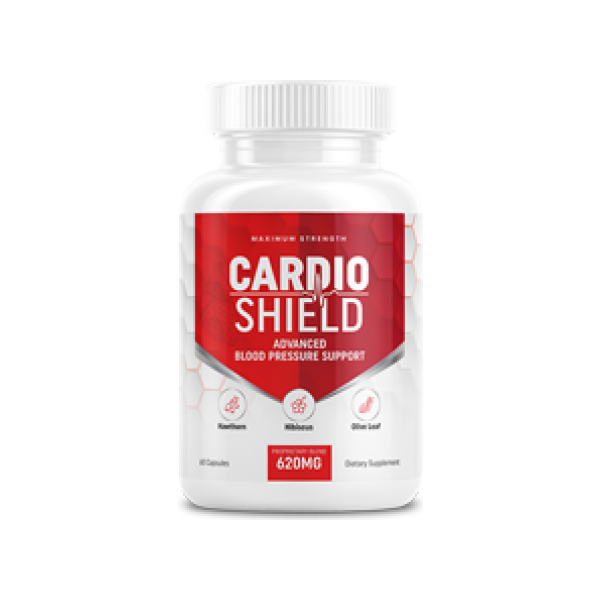
Cardio Shield is a capsule sold for “healthy blood pressure” by a narrator called Jerry and a supplement company, Apollo Research. Two capsules provide six vitamins and a 570 mg blend of hawthorn, olive leaf, nattokinase, green tea, garlic and hibiscus. This review covers what that label shows, what research supports at those amounts, why its promises about medication are dangerous, the real prices and how the 180-day refund works.
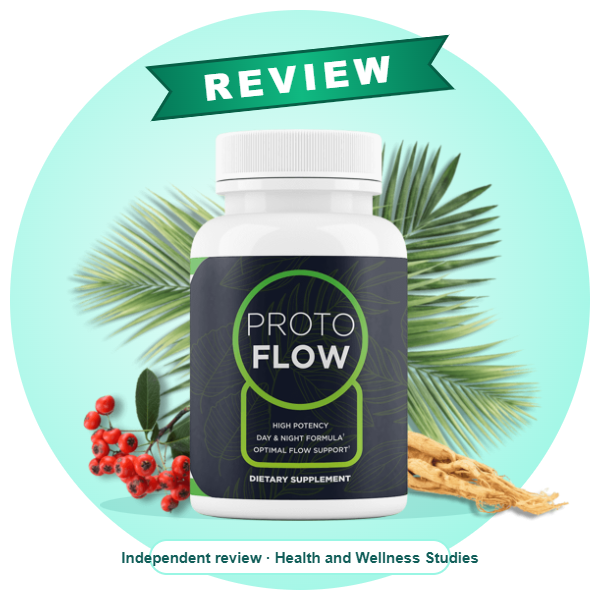
Protoflow is a prostate and urinary-flow capsule sold through ClickBank by PhytoThrive Labs, with 14 ingredients including saw palmetto, horny goat weed and niacin. This review checks the full label against the research and explains the prices and refund rules.
Scientific Analysis of Hawthorn
Heart failure
Hawthorn has been studied mainly as an add-on to standard treatment for chronic heart failure. A Cochrane review of smaller trials found modest improvements in symptoms and exercise capacity. The largest trial, SPICE, then gave 2,681 patients in 13 European countries either the hawthorn extract WS 1442 or a placebo, alongside their usual medicines, for two years. The time to a first cardiac event did not differ (27.9% against 28.9%); some secondary results were more favourable but need confirmation. The extract was safe to use alongside standard heart failure medicines in that trial. The US National Center for Complementary and Integrative Health (NCCIH) describes the evidence as conflicting. Hawthorn is not a substitute for heart failure treatment, and you should never stop or change heart medicines without your doctor.
Blood pressure
Small trials of hawthorn for high blood pressure have given inconsistent results, and it has not been shown to lower blood pressure reliably. Because it may add to the effect of blood pressure medicines, check with your doctor before combining them.
Anxiety
NCCIH says it is unclear whether hawthorn affects anxiety.
Hawthorn berries and tea
Hawthorn berries and hawthorn tea are traditional foods, and in food amounts they are generally considered safe. Supplements are more concentrated, and their strength varies between products.
A warning about tejocote
Tejocote is a Mexican hawthorn, Crataegus mexicana, whose root is sold online for weight loss. The FDA has warned that some products sold as tejocote root actually contained yellow oleander, a toxic plant that can cause severe harm or even death.
Side effects and safety
- Common: dizziness, nausea, vomiting, diarrhoea and muscle pain.
- Medicines: hawthorn can add to the effects of heart and blood pressure medicines; tell your doctor if you take them.
- Pregnancy and breastfeeding: little is known about its safety, so avoid it.
Products we review that contain it
Cardio Shield includes hawthorn leaf extract in a 570 mg blend without the amount. Protoflow provides 250 mg of hawthorn fruit in two capsules of a prostate formula, and Fluxactive lists hawthorn among its herbs; we found no research on hawthorn for prostate or urinary symptoms.
Frequently Asked Questions
It is studied mainly as an add-on treatment for chronic heart failure, where small trials found modest improvements in symptoms but a large trial found no reduction in cardiac events. Evidence for other uses is limited.
The evidence is conflicting. Small trials reported better symptoms and exercise capacity, but in the 2,681-patient SPICE trial, two years of hawthorn extract did not reduce cardiac events compared with a placebo. Never stop heart medicines to take it.
Not reliably. Small trials gave inconsistent results, and it may add to the effect of blood pressure medicines, so check with your doctor before combining them.
Hawthorn berries are a traditional food used in jams and teas. Claims for heart health come from extracts tested mainly in heart failure, with conflicting results.
Dizziness, nausea, vomiting, diarrhoea and muscle pain. Little is known about its safety in pregnancy and breastfeeding, so avoid it then.
Only with your doctor’s advice. Hawthorn can add to the effects of heart and blood pressure medicines, although the extract tested in the SPICE trial was safe alongside standard heart failure treatment.
Among the products we review, Cardio Shield includes hawthorn leaf extract in a blend, Protoflow provides 250 mg of hawthorn fruit, and Fluxactive lists hawthorn among its herbs.
⚖️ Conclusion
Hawthorn is a traditional heart herb with a mixed record: small trials suggested modest symptom benefits in heart failure, but the largest trial found no reduction in cardiac events, and its effect on blood pressure is inconsistent. It appears safe alongside standard heart failure medicines under medical supervision, but it can add to their effects, so it is not something to start on your own if you have heart disease. As a berry in jam or tea it is a harmless food; as a supplement for the prostate or anything else, there is no research to support it.