
Home » Ingredients » Milk Thistle (Silymarin)
Milk Thistle (Silymarin): The Ultimate Guide to Liver Health and Detoxification
Milk Thistle is a powerful herbal supplement derived from the Silybum marianum plant, prized for its active compound, silymarin. It is internationally recognized for its ability to support liver function, promote detoxification, and provide potent antioxidant protection.
Benefits of Milk Thistle (Silymarin)
What is Milk Thistle?
Milk thistle (Silybum marianum) is a flowering herb that belongs to the same family as the daisy and the sunflower. Native to Mediterranean countries, it is easily identifiable by its prickly purple flowers and the milky-white veins on its large green leaves—a feature that, according to folklore, was caused by a drop of the Virgin Mary's milk. While the plant may be considered a weed in some parts of the world, its medicinal value has been recognized for over 2,000 years.
A Rich History of Healing
The use of milk thistle for medicinal purposes dates back to ancient Greece and Rome. The famous Greek physician Dioscorides and the Roman naturalist Pliny the Elder both documented the plant's ability to support bile flow and treat conditions related to the liver and gallbladder. Throughout the Middle Ages, it remained a staple in European herbalism for treating 'melancholy' and liver congestion. Today, it stands as one of the most widely researched and frequently prescribed botanical medicines in the world, particularly in Europe, where it is often used as a complementary therapy for clinical liver disorders.
Top Rated Supplements with Milk Thistle (Silymarin)
Discover top-rated products that utilize clinical doses of Milk Thistle (Silymarin) as a core ingredient.
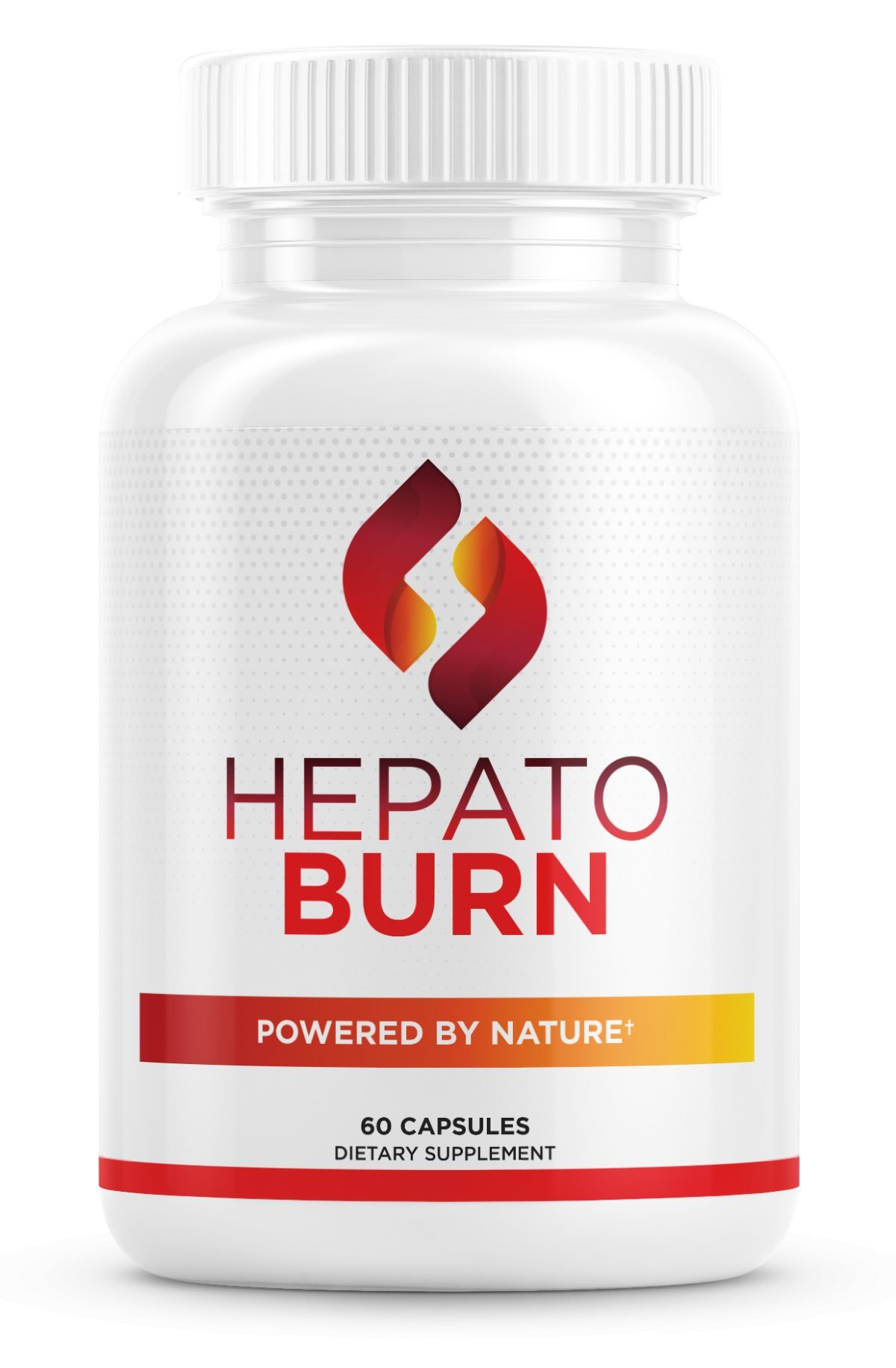
HepatoBurn is a natural dietary supplement designed to support liver health and optimize metabolic function. By focusing on the liver's role in fat processing and detoxification, it aims to help individuals who feel their progress has stalled due to a sluggish metabolism. It is formulated with plant-based ingredients and offers a balanced approach to wellness without the use of harsh stimulants.
Scientific Analysis of Milk Thistle (Silymarin)
The Science of Silymarin: Mechanism of Action
The primary therapeutic value of milk thistle lies in a complex of flavonolignans collectively known as silymarin. This complex consists mainly of silybin (the most active component), silydianin, and silychristin. Silymarin is not just a single antioxidant; it operates through multiple biological pathways to protect and regenerate the liver. First, it acts as a gatekeeper by altering the outer membrane of liver cells (hepatocytes), making it difficult for toxins—such as alcohol, heavy metals, and industrial chemicals—to penetrate the cell. Second, silymarin stimulates RNA polymerase I in the cell nucleus, which increases the production of proteins. This boost in protein synthesis accelerates the regeneration of damaged liver tissue and the production of new cells.
Potent Antioxidant and Anti-inflammatory Properties
Oxidative stress is a leading cause of liver damage. Silymarin is a powerful scavenger of free radicals, preventing lipid peroxidation that can lead to cell death. Perhaps more importantly, it has been shown to increase the levels of glutathione—the body’s 'master antioxidant'—within the liver by up to 35%. By reducing the production of pro-inflammatory cytokines such as TNF-alpha and leukotrienes, milk thistle helps mitigate the chronic inflammation that often leads to fibrosis and cirrhosis.
Proven Health Benefits
1. Liver Disease Management
Extensive clinical research has focused on milk thistle's role in treating non-alcoholic fatty liver disease (NAFLD), alcoholic liver disease, and viral hepatitis. Multiple meta-analyses of randomized controlled trials have demonstrated that silymarin supplementation can significantly lower elevated liver enzymes, such as alanine aminotransferase (ALT) and aspartate aminotransferase (AST). These enzymes are markers of liver stress, and their reduction indicates improved hepatic integrity and function.
2. Blood Sugar Regulation and Diabetes
Emerging research suggests that milk thistle may be a valuable adjunct therapy for Type 2 diabetes. Silymarin appears to work similarly to some diabetes medications by improving insulin sensitivity and reducing blood sugar levels. A key study published in 'Phytotherapy Research' found that patients taking silymarin alongside conventional treatment experienced a significant decrease in fasting blood glucose and HbA1c levels compared to the placebo group.
3. Neuroprotection and Cognitive Health
As an antioxidant that can cross the blood-brain barrier, silymarin is being investigated for its potential to protect the brain against age-related decline. Animal studies suggest that it may prevent the oxidative damage associated with Alzheimer’s and Parkinson’s diseases by inhibiting the formation of amyloid-beta plaques, which are toxic clusters of protein that accumulate in the brains of those with dementia.
4. Skin Health and Anti-Aging
Due to its anti-inflammatory and antioxidant effects, milk thistle is increasingly used in dermatological health. It may help reduce the severity of inflammatory skin conditions like acne and rosacea. Furthermore, by protecting against UV-induced oxidative stress, it helps prevent premature skin aging and may reduce the risk of solar-induced skin damage.
Scientific Research and Clinical Evidence
The efficacy of milk thistle is supported by hundreds of peer-reviewed studies. One landmark review published in the journal 'Nutrients' highlighted that silymarin significantly improves survival rates in patients with liver cirrhosis. Another study conducted by the National Institutes of Health (NIH) explored the use of high-dose silymarin in patients with chronic hepatitis C who did not respond to interferon therapy; while it did not clear the virus, it significantly improved the quality of life and reduced markers of liver inflammation. It is important to note that the bioavailability of standard silymarin is relatively low, leading researchers to develop silybin-phosphatidylcholine complexes (phytosomes), which show significantly higher absorption rates in human subjects.
Potential Side Effects and Safety
Milk thistle is generally considered safe and well-tolerated, even when taken at high doses for long periods. Side effects are rare but may include mild gastrointestinal upset, such as bloating, gas, or a laxative effect. Because it belongs to the Asteraceae family, individuals with allergies to ragweed, daisies, or marigolds should exercise caution. Additionally, because milk thistle can lower blood sugar, individuals on diabetes medication should monitor their levels closely. There is also a theoretical risk of interaction with drugs metabolized by the liver's cytochrome P450 enzyme system, so consultation with a healthcare provider is essential for those on prescription medications.
Frequently Asked Questions
For general liver support, a common dosage is 140–210 mg of a standardized milk thistle extract (containing 70-80% silymarin) taken 2 to 3 times per day. For more intensive support, doses up to 420 mg daily are often used in clinical settings.
Milk thistle is best taken with a meal that contains some healthy fats to improve the absorption of the fat-soluble silymarin compounds. It can be taken at any time of day, but consistency is key for long-term benefits.
While some people may notice improvements in digestion or energy within a few weeks, clinical improvements in liver enzymes and tissue regeneration typically require 8 to 12 weeks of consistent daily supplementation.
Yes, it may interact with medications broken down by the liver, blood thinners, and diabetes medications. If you are taking any prescription drugs, especially those for cholesterol or blood sugar, consult your doctor before starting milk thistle.
⚖️ Conclusion
Milk Thistle, primarily through its active constituent silymarin, remains one of the most evidence-based herbal supplements for liver health. Scientific research consistently demonstrates its ability to lower liver enzymes, boost glutathione levels, and protect hepatocytes from toxic insult. Beyond the liver, its benefits extend to improving insulin sensitivity and providing neuroprotective support against oxidative stress. While it is not a substitute for a healthy lifestyle or professional medical treatment for chronic disease, it serves as an excellent complementary therapy for those looking to optimize their metabolic and detoxification pathways. The safety profile is remarkably high, with few reported side effects. For the best results, consumers should prioritize standardized extracts with high silymarin content or phytosome formulations for superior bioavailability. Based on current clinical data, Milk Thistle is a highly recommended supplement for individuals managing fatty liver concerns, those frequently exposed to environmental toxins, or anyone seeking to enhance their body's natural antioxidant defenses. Always ensure you are sourcing high-quality, third-party tested products to guarantee the purity and potency of the silymarin complex.