
Home » Ingredients » Moringa
Moringa: What It Is Good For, Leaf Powder, Side Effects and Safety
Moringa (Moringa oleifera) is a tropical tree whose nutritious leaves are eaten and sold as powder. Human trials for blood sugar are small, and the root is unsafe.
Last updated 2 November 2026
Moringa: the short answer
Moringa (Moringa oleifera), also called the drumstick tree, is native to South Asia. Its leaves are eaten as a vegetable and dried into powder and capsules, and they provide protein, vitamins and minerals. In a 2021 analysis of 7 small trials with 257 people, moringa lowered fasting blood sugar, but the results varied enormously between studies. The leaves are likely safe as food and possibly safe as a supplement for up to about 3 months; the root, bark and flowers are possibly unsafe, especially in pregnancy, and moringa may interact with thyroid, diabetes and blood pressure medicines.
| What it is | A tropical tree (Moringa oleifera, drumstick tree); its leaves are eaten and sold as powder and capsules. |
|---|---|
| Most studied for | Blood sugar, breast milk supply and nutrition. |
| Amounts used in studies | A few grams of leaf powder a day, for weeks to about 3 months. |
| Strength of evidence | Limited: small, inconsistent blood sugar trials; a moderate short-term effect on breast milk; no human trials for joints or memory. |
| Safety | Leaves likely safe as food; root possibly unsafe; root, bark and flowers possibly unsafe in pregnancy. May interact with levothyroxine and diabetes and blood pressure medicines. |
| In products we review | JointVive |
Sources: Moringa oleifera on blood glucose and lipids: meta-analysis of 7 trials (Pharmacognosy Magazine 2021) · Moringa: uses, safety and interactions (Natural Medicines, via RxList)
Benefits of Moringa
What is moringa?
Moringa, Moringa oleifera, is a fast-growing tree native to India, Pakistan, Bangladesh and Afghanistan and grown throughout the tropics. It is often called the drumstick tree after its long seed pods. Its leaves, pods and seeds are eaten as food, and the dried leaves are sold as moringa powder, capsules and tea.
Why people take it
Moringa is sold as a nutrient-dense “superfood” and for blood sugar, cholesterol, inflammation, energy and breast milk supply. It also appears in multi-ingredient supplements for joints and memory.
Top Rated Supplements with Moringa
Products we review that list Moringa as an ingredient. Not every product discloses how much of each ingredient a serving contains, so check each review before assuming it matches the amounts used in studies.
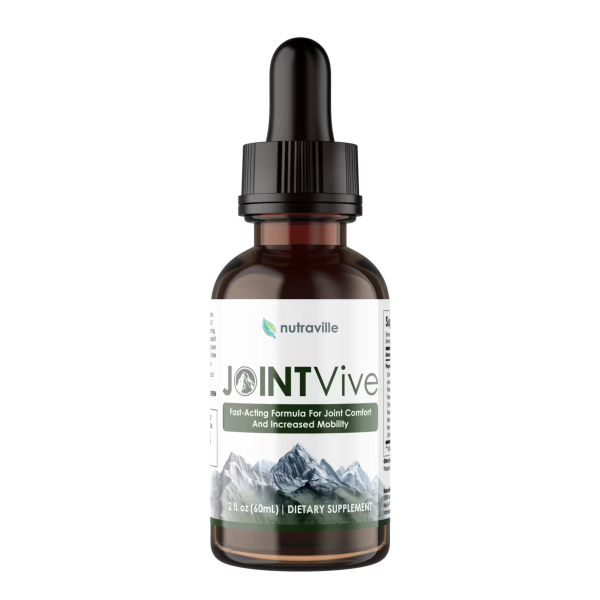
JointVive is a liquid supplement from Nutraville sold for joint comfort, flexibility and mobility, taken as “one drop per day” from a 60 ml dropper bottle. It names nine ingredients: pine bark extract, tamarind, chlorella, ginkgo biloba, spirulina, lion’s mane mushroom, bacopa, moringa and neem, with no amounts. This review covers what is known about each, why only two of them have any joint research, the real prices and how the 365-day refund works.
Scientific Analysis of Moringa
Nutrition
Moringa leaves contain protein, vitamins such as A and C, and minerals such as calcium, potassium and iron, which is why leaf powder has been used to improve the diets of malnourished children. A spoonful of powder adds modest amounts of these nutrients, much like other dark green leafy vegetables.
Blood sugar
A 2021 meta-analysis of 7 small trials with 257 people, lasting 28 to 90 days, found that moringa lowered fasting blood sugar, but the results varied enormously from one study to another, and the authors said long-term benefits and safety remain to be shown. In early research, adding moringa tablets to a common diabetes medicine did not improve blood sugar control. Moringa is not a treatment for diabetes, and it can add to the effect of diabetes medicines.
Breast milk
An analysis of five studies found that moringa moderately increased breast milk production after one week, but it is unclear whether the effect lasts, and there is not enough information on safety for the nursing baby, so the Natural Medicines database advises avoiding it while breastfeeding.
Inflammation, joints and memory
Moringa has anti-inflammatory and antioxidant effects in laboratory and animal studies. We found no human trials for joint pain or memory, and the evidence for arthritis, high blood pressure and many other uses is too limited to rate.
How much moringa per day
There is no established dose. Studies have used a few grams of leaf powder a day, for example 3 g twice a day for three weeks in one asthma study. Leaf powder is easiest to use mixed into food or drinks.
Side effects and who should avoid it
- Leaves, fruit and seeds are likely safe when eaten as food, and leaf products have been used with apparent safety for up to about 90 days.
- Root: possibly unsafe; it contains spirochin, a toxic substance.
- Pregnancy: the root, bark and flowers are possibly unsafe because they may cause the womb to contract; avoid moringa supplements in pregnancy and while breastfeeding.
- Medicines: moringa may reduce how much levothyroxine (thyroid hormone) you absorb, may lower blood sugar and blood pressure further when taken with diabetes or blood pressure medicines, and may affect how the liver breaks down some drugs. Check with your doctor or pharmacist first.
Products we review that contain it
JointVive lists moringa alongside neem in a joint formula, but we found no human trials of moringa for joint pain. NeuroPrime and Pineal Guardian X include it in memory formulas, with tamarind and neem, without stating the amount; we found no memory trials in people.
Frequently Asked Questions
A fast-growing tropical tree, Moringa oleifera, also called the drumstick tree. Its leaves, pods and seeds are eaten, and the dried leaves are sold as powder, capsules and tea.
Mainly nutrition: the leaves provide protein, vitamins and minerals. Small trials suggest it may lower fasting blood sugar and briefly increase breast milk, but the evidence is limited and inconsistent.
It adds protein, vitamins and minerals, like other leafy greens. Claims about blood sugar, inflammation and energy rest on small trials or laboratory studies.
Possibly a little. A 2021 analysis of 7 small trials found lower fasting blood sugar, but results varied widely. It is not a diabetes treatment and can add to the effect of diabetes medicines.
The leaves are usually well tolerated as food. The root contains a toxic substance, and the root, bark and flowers are possibly unsafe in pregnancy. Moringa may interact with thyroid, diabetes and blood pressure medicines.
Avoid moringa supplements in pregnancy, because the root, bark and flowers may cause the womb to contract. It may increase breast milk briefly, but safety for the baby is not known, so ask your doctor first.
There is no established dose. Studies used a few grams of leaf powder a day, such as 3 g twice a day, for weeks to about 3 months.
Among the products we review, JointVive lists moringa in a joint formula, and NeuroPrime and Pineal Guardian X include it in memory formulas, all without the amount.
⚖️ Conclusion
Moringa leaves are a nutritious food, and leaf powder is a reasonable way to add some vitamins and minerals to your diet. The health claims go further than the research: blood sugar trials are small and inconsistent, the breast milk effect is short-term with unknown safety for the baby, and there are no human trials for joints or memory. Use the leaves rather than root or bark, avoid supplements in pregnancy, and check with your doctor if you take thyroid, diabetes or blood pressure medicines.