
Home » Ingredients » Mucuna Pruriens
Mucuna Pruriens Benefits: What the Research Shows
Mucuna Pruriens, commonly known as Velvet Bean, is a tropical legume renowned for its high concentration of L-Dopa, a direct precursor to dopamine. It is used in traditional medicine and supplements for brain health, mood, and reproductive health, although human research is limited.
Last updated 6 October 2026
Mucuna Pruriens: the short answer
Mucuna pruriens seeds contain levodopa, a standard Parkinson's disease medicine. Small, short trials in Parkinson's patients found it worked about as well as prescription levodopa, and small studies without placebo groups reported better semen quality in infertile men. There is little human evidence for mood, focus or stress benefits.
| What it is | A tropical climbing legume (velvet bean) whose seeds naturally contain levodopa (L-Dopa), roughly 5% of the raw seed. Levodopa is the dopamine precursor used in standard Parkinson's medicines. |
|---|---|
| Most studied for | Motor symptoms of Parkinson's disease, and semen quality and hormone levels in infertile men. |
| Amounts used in studies | Parkinson's trials: mostly single doses of 15-30 g seed powder (about 500-1,000 mg levodopa) or 12.5-17.5 mg/kg of levodopa from Mucuna, plus one 16-week trial. Male fertility studies: 5 g of seed powder daily for 3 months. |
| Strength of evidence | Limited: Parkinson's evidence comes from five small trials (108 people in total, mostly single doses) and needs medical supervision; fertility studies are small and had no placebo group; no good trials for mood, focus or stress. |
| Safety | Trial side effects included nausea, vomiting, insomnia, daytime sleepiness and dizziness; in a 16-week trial, half of the Parkinson's patients stopped it because of stomach upset or worsening symptoms. Levodopa content varies widely between products, and overuse has caused psychosis and compulsive use. Do not combine with MAO inhibitors or take with Parkinson's drugs without a doctor. People with melanoma or glaucoma should ask a doctor first; avoid in pregnancy and breastfeeding. |
| In products we review | NeuroQuiet, Quietum Plus |
Sources: 2025 review of Parkinson's trials · 2004 Parkinson's crossover trial · Infertile men stress study · MedlinePlus levodopa and carbidopa
Benefits of Mucuna Pruriens
What is Mucuna Pruriens?
Mucuna pruriens is a climbing legume found in the tropical regions of Africa and Asia. Known by several names, including the velvet bean, cowitch, and Kapikacchu, this plant has a long history of use in Ayurvedic medicine. Historically, it was utilized by ancient healers to treat a variety of conditions ranging from snakebites and intestinal disorders to tremors and low libido. The plant is easily identifiable by its purple flowers and the velvet-like hair that covers its seed pods, which contain the bioactive compounds prized by modern science.
The Botanical Origin and Cultural History
Native to the humid forests of the tropics, Mucuna pruriens belongs to the Fabaceae family. It has long held an important place in traditional medicine. In the Indian Vedic texts, it was categorized as a revitalizing herb capable of balancing the nervous system and strengthening the reproductive organs. As trade routes expanded, the knowledge of Mucuna spread to other cultures, eventually catching the attention of Western researchers in the 20th century. Today, it is primarily cultivated for its seeds, which serve as the primary source for dietary supplements aimed at enhancing neurological and hormonal health.
Top Rated Supplements with Mucuna Pruriens
Products we review that list Mucuna Pruriens as an ingredient. Not every product discloses how much of each ingredient a serving contains, so check each review before assuming it matches the amounts used in studies.
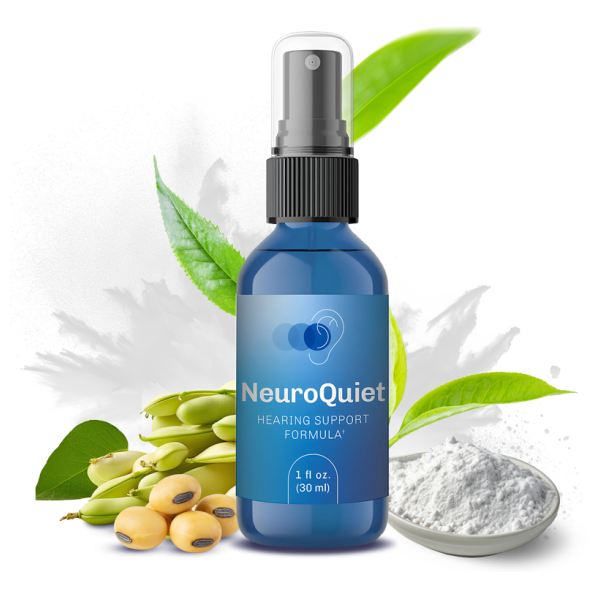
NeuroQuiet is an under-the-tongue spray sold for tinnitus and hearing. This review covers its label, which lists just 3 micrograms of active ingredients a day, what research and the 2026 tinnitus guideline say, what actually helps ringing in the ears, the real prices and the 90-day refund.
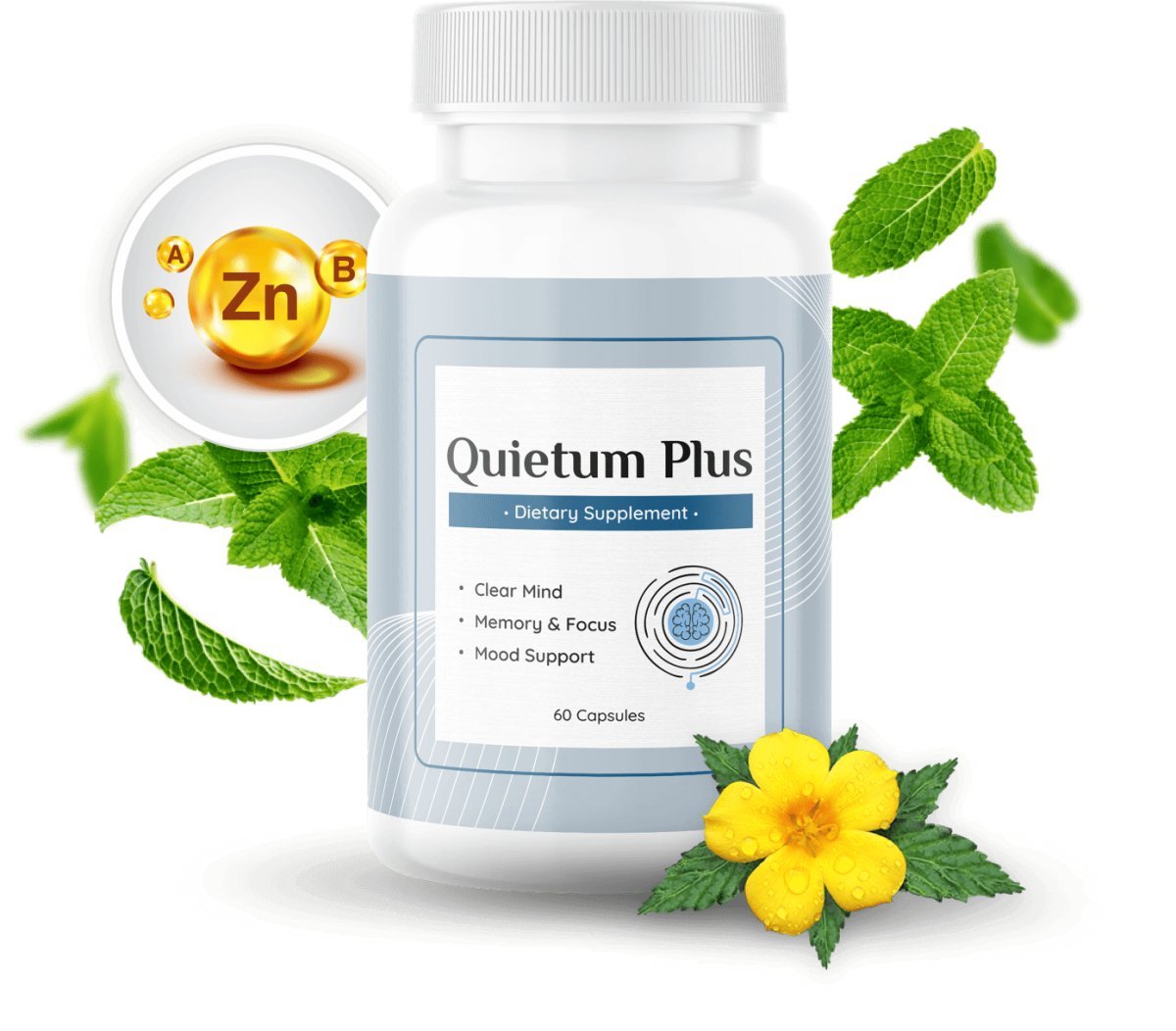
Quietum Plus is a capsule supplement marketed for ear health and hearing. It combines 18 plant extracts with vitamins, zinc and amino acids, and the vendor says it supports nerve function and circulation to the ears; this has not been tested. Designed for those who want a non-invasive way to support their hearing wellness, it focuses on long-term nutritional support rather than instant fixes.
Scientific Analysis of Mucuna Pruriens
The Mechanism of Action: How Mucuna Works
The main active compound in Mucuna pruriens seeds is levodopa, or L-Dopa, which makes up roughly 5% of the raw seed. Unlike dopamine itself, which cannot cross the blood-brain barrier, L-Dopa is a precursor that can enter the brain and be converted directly into dopamine. This neurotransmitter is responsible for regulating mood, pleasure, motivation, and motor control. Because it supplies L-Dopa directly, Mucuna bypasses the body's usual rate-limiting step in making dopamine, which is why it has been studied in Parkinson's disease.
Synergistic Bioactive Compounds
While L-Dopa is the star of the show, Mucuna pruriens is a complex plant containing a variety of other bioactive molecules, including alkaloids, saponins, and sterols. It has been suggested that these other compounds may change how L-Dopa is absorbed or broken down, but this has not been proven in people. Single-dose trials reported fewer side effects with Mucuna than with standard levodopa, but in a 16-week trial half of the patients stopped Mucuna because of stomach side effects or worsening symptoms.
Health Benefits and What the Research Shows
Support for Neurological Health and Movement
One of the most researched applications of Mucuna pruriens is its role in managing symptoms of Parkinson’s disease. Clinical studies have compared Mucuna seed powder to synthetic L-Dopa treatments. A small 2004 trial in the Journal of Neurology, Neurosurgery, and Psychiatry gave eight patients single doses and found that 30 g of Mucuna powder started working faster (about 35 vs 69 minutes) and lasted about 37 minutes longer than a standard levodopa/carbidopa tablet; long-term studies are still needed.
Mood Enhancement and Stress Reduction
Mucuna pruriens has not been shown in clinical trials to work as an antidepressant or anti-anxiety treatment. Dopamine is often referred to as the 'reward molecule,' and healthy levels are essential for feeling motivated and satisfied. Some herbalists call Mucuna an adaptogen, but this label is not backed by strong human research. One study of 60 stressed infertile men taking 5 g of seed powder daily for three months reported lower stress levels, but it had no placebo group and has not been repeated in the general population.
Hormonal Balance and Male Fertility
Mucuna pruriens may affect hormone levels because of its L-Dopa content. One study in 75 infertile men reported lower prolactin levels after treatment. High prolactin can suppress testosterone and interfere with reproductive function. Small studies in infertile men have also reported higher testosterone and better sperm quality after three months, but placebo-controlled trials are lacking. One study gave Mucuna seed powder to 180 infertile men for three months and reported better semen quality and hormone levels afterwards, but there was no placebo group.
Cognitive Function and Focus
Dopamine plays a role in 'executive functions' such as focus, memory, and cognitive flexibility, but Mucuna has not been shown to improve them in healthy people. Some users report better mental clarity, but there are no good clinical trials of Mucuna for focus or productivity in healthy people.
Potential Side Effects and Safety Precautions
Mucuna pruriens supplies a drug-like dose of L-Dopa and its long-term safety in healthy adults has not been established, so it must be used with caution. Because it directly influences neurotransmitter levels, overconsumption can lead to side effects such as nausea, abdominal bloating, and insomnia. Case reports link high doses to hallucinations, psychosis and compulsive overuse, and the L-Dopa content of products can differ widely from the label.
Contraindications and Interactions
Due to its L-Dopa content, Mucuna should not be combined with MAO inhibitors (MAOIs) such as phenelzine or tranylcypromine, which levodopa medicines must not be taken with, and people on Parkinson's drugs or antidepressants should use it only under medical supervision. People with melanoma, an undiagnosed skin growth, or glaucoma should check with a doctor first, as these are warnings for levodopa medicines. Pregnant and breastfeeding women should avoid use due to the lack of safety data in these populations. Some users cycle Mucuna, such as five days on and two days off, but no research shows that this prevents tolerance.
Conclusion on Scientific Standing
The current body of research on Mucuna pruriens is limited, consisting mainly of small Parkinson's disease trials and small male fertility studies without placebo groups. Larger human trials are needed, and the existing evidence does not yet support using it to treat any condition without medical supervision. Its L-Dopa content makes it unusual among herbal supplements, but also means it acts like a medicine and can interact with drugs.
Frequently Asked Questions
There is no established dose; fertility studies used 5 g of seed powder daily for three months, and Parkinson's trials used medicine-level doses of levodopa under medical supervision. It is best to start with a lower dose to assess tolerance.
Because it boosts dopamine and can increase alertness and motivation, it is generally best taken in the morning or early afternoon. Taking it too late in the day may interfere with sleep for some individuals.
Some people cycle Mucuna (e.g., 5 days on, 2 days off), but no research shows that this prevents down-regulation of dopamine receptors or keeps it effective; follow medical advice instead.
While not strictly forbidden, both increase dopamine and central nervous system activity. Combining them may cause overstimulation, jitters, or increased heart rate in sensitive individuals.
⚖️ Conclusion
Mucuna Pruriens is a natural source of L-Dopa, a direct precursor to dopamine that crosses the blood-brain barrier. Small studies suggest it may help motor symptoms in Parkinson's disease and semen quality in infertile men, but evidence for mood benefits is lacking. It has not been shown to be safer or more balanced than standard levodopa medicines, and the amount of L-Dopa in supplements can vary widely, so dosing needs care. There is no scientific consensus that Mucuna improves cognitive performance or hormonal balance in healthy people. However, because of its direct influence on brain chemistry, it is essential to consult with a healthcare professional before integration, especially for those on neurological medications. Ultimately, Mucuna Pruriens links traditional Ayurvedic use with modern levodopa research, but its value as an everyday supplement has not been proven. If you are considering it for mental clarity or mood, note that this use rests mainly on tradition rather than clinical trials, so speak to a doctor first.