
Home » Ingredients » Nattokinase
Nattokinase: What It Is, What the Research Shows and Who Should Avoid It
Nattokinase is an enzyme from natto, a fermented soybean food. Short trials found small falls in blood pressure; a three-year trial found no effect on the arteries, and it may raise bleeding risk.
Last updated 3 November 2026
Nattokinase: the short answer
Nattokinase is an enzyme made by the bacterium that ferments soybeans into natto, a Japanese food; in laboratory studies it breaks down fibrin, the protein that holds blood clots together. Supplements usually provide 2,000 fibrinolytic units (FU), about 100 mg, a day. In small 8-week trials it lowered systolic blood pressure by about 3 to 6 mmHg, but in a three-year trial of 265 healthy older adults the same dose did not slow the thickening or stiffening of their arteries and did not change blood pressure or any blood test. It is not a substitute for a prescribed blood thinner, and because it may add to their effect, people taking warfarin, aspirin, clopidogrel or similar drugs, or facing surgery, should not take it without their doctor’s advice.
| What it is | An enzyme from natto (fermented soybeans) that breaks down fibrin, the protein in blood clots, in laboratory studies. |
|---|---|
| Usual dose | 2,000 fibrinolytic units (FU), about 100 mg, a day in trials. |
| Blood pressure | Small 8-week trials: about 3 to 6 mmHg lower systolic pressure. A three-year trial found no effect. |
| Arteries | In a three-year trial of 265 adults, no effect on the thickening or stiffness of the carotid arteries. |
| Safety | May raise bleeding risk with blood thinners and antiplatelet drugs; avoid before surgery, with bleeding disorders, with a soy allergy and in pregnancy. |
| In products we review | Cardio Shield |
Sources: Effects of nattokinase on blood pressure: a randomized, controlled trial (Hypertens Res 2008) · Nattokinase, blood pressure and von Willebrand factor: a North American randomized trial (Integr Blood Press Control 2016) · Nattokinase supplementation and cardiovascular risk factors: meta-analysis of randomized trials (Rev Cardiovasc Med 2023) · Nattokinase atherothrombotic prevention study: a randomized controlled trial (Clin Hemorheol Microcirc 2021) · Cerebellar hemorrhage after nattokinase with aspirin: case report (Intern Med 2008)
Benefits of Nattokinase
What is nattokinase?
Nattokinase is an enzyme produced by Bacillus subtilis var. natto, the bacterium used to ferment boiled soybeans into natto, a sticky Japanese food. In laboratory and animal studies it breaks down fibrin, the protein mesh that holds blood clots together, which is why it is sold for circulation and heart health. Its strength is given in fibrinolytic units (FU); most supplements provide 2,000 FU, about 100 mg, per capsule.
Why people take it
People take nattokinase hoping to lower blood pressure, keep blood flowing, prevent clots and slow the build-up of plaque in the arteries. It is often combined with other heart and circulation ingredients, sometimes including vitamin K2, which natto itself is rich in.
Top Rated Supplements with Nattokinase
Products we review that list Nattokinase as an ingredient. Not every product discloses how much of each ingredient a serving contains, so check each review before assuming it matches the amounts used in studies.
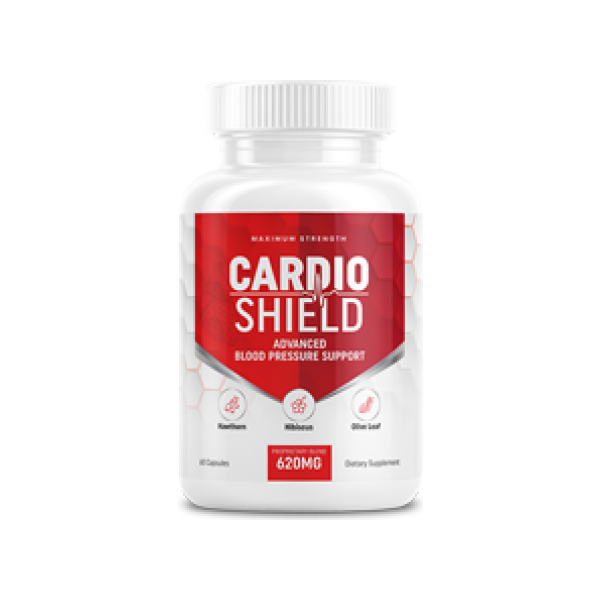
Cardio Shield is a capsule sold for “healthy blood pressure” by a narrator called Jerry and a supplement company, Apollo Research. Two capsules provide six vitamins and a 570 mg blend of hawthorn, olive leaf, nattokinase, green tea, garlic and hibiscus. This review covers what that label shows, what research supports at those amounts, why its promises about medication are dangerous, the real prices and how the 180-day refund works.
Scientific Analysis of Nattokinase
What the research shows
- Blood pressure: in a Korean trial, 86 adults with high-normal or mildly raised blood pressure took 2,000 FU a day or a placebo for 8 weeks; systolic pressure fell by about 5.5 mmHg and diastolic by about 2.8 mmHg more than with the placebo. In a North American trial of 79 adults with raised blood pressure, 100 mg a day for 8 weeks lowered diastolic pressure from 87 to 84 mmHg on average, while it stayed at 87 with the placebo. A 2023 analysis of six trials with 546 people found average falls of about 3.5 mmHg systolic and 2.3 mmHg diastolic.
- Arteries: the longest trial, the Nattokinase Atherothrombotic Prevention Study, gave 2,000 FU a day or a placebo to 265 healthy adults with a median age of 65 for a median of three years. Nattokinase did not slow the thickening or stiffening of the carotid arteries in the neck, and it did not change blood pressure or any blood measure, including clotting and clot-dissolving factors.
- Cholesterol: the 2023 analysis found no fall in cholesterol; total cholesterol was slightly higher with nattokinase than with the placebo.
- Clots, heart attacks and strokes: no trial has shown that nattokinase prevents heart attacks, strokes or deep vein thrombosis, and it is not a replacement for a prescribed blood thinner.
How much nattokinase per day
There is no official dose. The trials used 2,000 FU (about 100 mg) a day, usually as one capsule, and did not compare times of day. Check that a product states its strength in FU: an amount in milligrams alone does not tell you how active the enzyme is.
Nattokinase and vitamin K
Natto, the food, is one of the richest sources of vitamin K2, which works against warfarin, so people taking warfarin are usually told to avoid it. Some nattokinase extracts, such as the one tested in the North American trial, have the vitamin K2 removed; other products contain it or add it, so check the label.
Dangers, side effects and who should avoid it
- Bleeding: because it acts on clots, nattokinase may add to the effect of blood thinners and antiplatelet drugs such as warfarin, apixaban, rivaroxaban, aspirin and clopidogrel. A published case describes a patient taking aspirin after a stroke who had a bleed in the brain after taking 400 mg of nattokinase a day for 7 days. Do not combine them without your doctor’s advice.
- Surgery and bleeding disorders: stop it before surgery or dental work as your doctor advises, and avoid it if you have a bleeding disorder or have had a bleed in the brain.
- Blood pressure medicines: it may add a little to their effect.
- Soy allergy: it is made with soybeans.
- Pregnancy and breastfeeding: there is no safety information, so avoid it.
- Side effects in trials: the 2023 analysis found no notable side effects in the trials it included.
Products we review that contain it
Cardio Shield lists nattokinase in a 570 mg proprietary blend with hawthorn, olive leaf, green tea, garlic and hibiscus, so neither the amount nor the FU strength of its nattokinase is stated. It also contains 200 mcg of vitamin K2, which can weaken warfarin, and garlic, which may add to bleeding risk with other blood thinners.
Frequently Asked Questions
An enzyme made by the bacterium that ferments soybeans into natto, a Japanese food. In laboratory studies it breaks down fibrin, the protein that holds blood clots together.
Small 8-week trials found modest falls in blood pressure, about 3 to 6 mmHg systolic. A three-year trial found no effect on the arteries or on blood pressure, and no trial has shown that it prevents heart attacks or strokes.
Slightly, in short trials: a 2023 analysis of six trials found falls of about 3.5 mmHg systolic and 2.3 mmHg diastolic. In the longest trial, three years in healthy older adults, it did not change blood pressure.
It breaks down fibrin in laboratory studies, but no trial has shown that it dissolves clots or plaque in people, and in a three-year trial it did not slow artery thickening. It is not a substitute for a prescribed blood thinner.
The main one is bleeding, especially with blood thinners or antiplatelet drugs, after surgery or with a bleeding disorder; a published case describes a bleed in the brain in a patient who took it with aspirin. People with a soy allergy and pregnant women should avoid it.
Not without your doctor’s advice. It may add to the effect of warfarin, apixaban, rivaroxaban, aspirin, clopidogrel and similar drugs and raise the risk of bleeding.
There is no official dose. Trials used 2,000 fibrinolytic units (FU), about 100 mg, once a day. Choose a product that states its strength in FU.
The trials gave it once a day and did not compare times of day, so there is no evidence that the timing matters.
Natto, the food, is rich in vitamin K2. Some nattokinase extracts have it removed, while other products contain or add it, which matters if you take warfarin, so check the label.
Among the products we review, Cardio Shield, which lists it in a 570 mg blend with five other ingredients and gives no amount or FU strength.
⚖️ Conclusion
Nattokinase has some evidence for lowering blood pressure by a few points over a couple of months, but the longest and best trial, three years in healthy older adults, found no effect on the arteries, blood pressure or any blood test, and nothing shows that it prevents heart attacks or strokes. Its real risk is bleeding when combined with blood thinners, aspirin or surgery. If you want to try it, choose a product that states 2,000 FU, and talk to your doctor first if you take any medicine that affects clotting.