
Home » Ingredients » Vitamin K2
Vitamin K2: What It Does, Food Sources, Research and Safety
Vitamin K2 (menaquinone) is the form of vitamin K in natto, cheese and other fermented and animal foods. Trials show modest effects on bone loss and artery stiffness; it can weaken warfarin.
Last updated 3 November 2026
Vitamin K2: the short answer
Vitamin K2, or menaquinone, is a group of forms of vitamin K (MK-4 to MK-13) found in natto, cheese, eggs and other fermented and animal foods; MK-7, the form in natto, is the one in most supplements. Like vitamin K1 from leafy greens, it activates proteins needed for blood clotting, for bone and for keeping calcium out of artery walls. There is no separate daily amount for K2: adults need 90 mcg (women) or 120 mcg (men) of vitamin K a day in total, and no upper limit has been set. In trials, 180 mcg of MK-7 a day for three years slowed bone loss and reduced artery stiffness in postmenopausal women, but a review of 36 trials found no clear effect on bone density, and trials in people with calcified heart valves or arteries found small or no effects. As little as 10 to 20 mcg a day can weaken warfarin.
| What it is | Menaquinones (MK-4 to MK-13), the forms of vitamin K in natto, cheese and other fermented and animal foods; MK-7 is the usual supplement form. |
|---|---|
| Daily need | No separate amount for K2. Adequate intake for all vitamin K: 120 mcg for men, 90 mcg for women. No upper limit. |
| Bones | 180 mcg of MK-7 for three years slowed bone loss in postmenopausal women; a 2019 review of 36 trials found no clear effect on bone density. |
| Arteries | Reduced artery stiffness at 180 mcg and slightly slowed coronary calcium at 360 mcg; did not slow heart-valve calcium at 720 mcg with vitamin D. |
| Safety | No harm reported from food or supplements, but even 10 to 20 mcg a day can weaken warfarin and similar drugs. |
| In products we review | Cardio Shield, VenoPlus 8 |
Sources: Vitamin K fact sheet for health professionals (NIH Office of Dietary Supplements) · Three-year low-dose menaquinone-7 supplementation helps decrease bone loss in postmenopausal women (Osteoporos Int 2013) · Menaquinone-7 supplementation improves arterial stiffness in postmenopausal women (Thromb Haemost 2015) · Effect of vitamin K on bone mineral density and fractures: updated meta-analysis (Osteoporos Int 2019) · Two years of menaquinone-7 supplementation and coronary artery calcification: the VitaK-CAC trial (JAMA Cardiol 2026) · Vitamin K2 and D in patients with aortic valve calcification: the AVADEC trial (Circulation 2022) · Low-dose menaquinone-7 and the stability of oral anticoagulant treatment (J Thromb Haemost 2013)
Benefits of Vitamin K2
What is vitamin K2?
Vitamin K is a fat-soluble vitamin that comes in two natural forms. Vitamin K1 (phylloquinone) is in green leafy vegetables and vegetable oils and is the main form in the diet. Vitamin K2 is a family of menaquinones named MK-4 to MK-13 by the length of their side chain. They are mostly made by bacteria, so they are found in natto (fermented soybeans), cheese and other fermented foods, while MK-4 is in meat, dairy foods and eggs. MK-7 stays in the blood longer than K1, and it is the form in most K2 supplements, often under the brand name MenaQ7.
Why people take it
People take vitamin K2 for bone strength and for heart and artery health, on the idea that it helps put calcium into the bones and keeps it out of the arteries. It is often sold together with vitamin D3.
Top Rated Supplements with Vitamin K2
Products we review that list Vitamin K2 as an ingredient. Not every product discloses how much of each ingredient a serving contains, so check each review before assuming it matches the amounts used in studies.
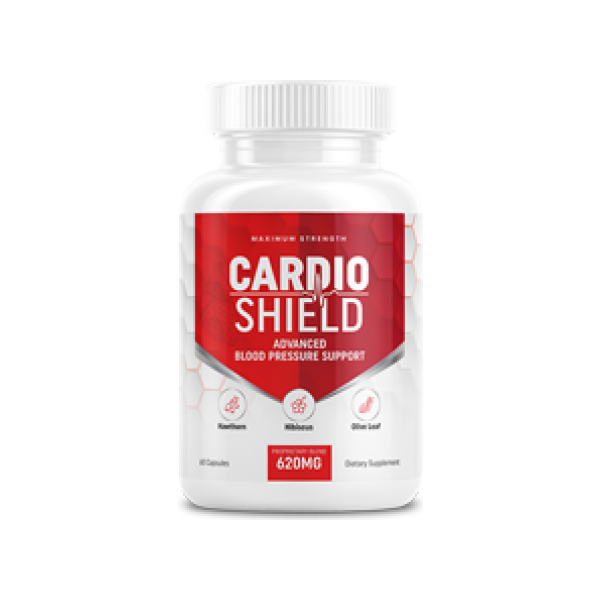
Cardio Shield is a capsule sold for “healthy blood pressure” by a narrator called Jerry and a supplement company, Apollo Research. Two capsules provide six vitamins and a 570 mg blend of hawthorn, olive leaf, nattokinase, green tea, garlic and hibiscus. This review covers what that label shows, what research supports at those amounts, why its promises about medication are dangerous, the real prices and how the 180-day refund works.

VenoPlus 8 is a green apple-flavored drink powder from Simple Promise, sold for circulation, blood pressure and cholesterol. One scoop contains vitamin K2 (MenaQ7), beetroot, pomegranate and grape seed extracts, hesperidin, vitamin C, magnesium and inulin fiber, all with amounts on the label. This review compares those doses with the trials, checks the “heart attack risk by half” claim and the warfarin warning the seller leaves out, and covers the prices and the 365-day refund.
Scientific Analysis of Vitamin K2
What vitamin K2 does in the body
Vitamin K switches on proteins that need to bind calcium to work. They include the clotting factors made in the liver, osteocalcin in bone, and matrix Gla protein, which helps stop calcium building up in artery walls. When vitamin K is short, more of these proteins circulate in an inactive form, and K2 supplements lower the inactive forms in blood tests.
How much vitamin K2 per day
There is no separate recommended amount for vitamin K2. The US adequate intake for all forms of vitamin K is 120 mcg a day for men and 90 mcg for women, and most people get most of it from vegetables. No upper limit has been set, because no harm has been reported from vitamin K in food or supplements. The trials below used 180 to 720 mcg of MK-7 a day.
Food sources of vitamin K2
Natto is by far the richest food source of vitamin K2. Cheese and other fermented foods contain smaller amounts, and meat, dairy foods and eggs contain modest amounts of MK-4. How much a fermented food contains depends on the bacteria and the way it is made.
Vitamin K2 with vitamin D3
Vitamin D raises the amount of calcium the body absorbs, and K2 switches on the proteins that handle calcium in bone and arteries, so the two are often sold together. There is little trial evidence that the pair does more than either alone. In the AVADEC trial, 720 mcg of MK-7 with 25 mcg (1,000 IU) of vitamin D3 a day for two years did not slow calcium build-up in the heart valves of 365 older men. Our vitamin D3 page explains how much vitamin D you need.
What the research shows
- Bones: in a three-year Dutch trial of 244 healthy postmenopausal women, 180 mcg of MK-7 a day slowed the loss of bone density at the lower spine and the top of the thigh bone and helped preserve bone strength, compared with a placebo. However, a 2019 review of 36 trials found no clear effect of vitamin K on bone density or spine fractures in postmenopausal women or people with osteoporosis, and a possible but unconfirmed fall in other fractures.
- Arteries: in the same women, 180 mcg of MK-7 a day for three years reduced arterial stiffness, mainly in those whose arteries were stiffest at the start, and halved the inactive form of matrix Gla protein. In the VitaK-CAC trial of 180 people with coronary heart disease, 360 mcg a day for two years slightly slowed the rise in coronary calcium scores; whether that prevents heart attacks is unknown. In AVADEC, K2 with vitamin D did not slow heart-valve calcium, and a later analysis found no significant effect on coronary calcium overall.
- Heart disease: in observational studies, people who ate more vitamin K2 had fewer deaths from heart disease, but no trial has shown that K2 supplements prevent heart attacks or strokes.
Side effects and safety
- Warfarin: vitamin K works directly against warfarin and similar vitamin K antagonists such as acenocoumarol. In a study of healthy volunteers taking acenocoumarol, 10 mcg of MK-7 a day lowered the clotting test (INR) to a clinically relevant degree in at least 40% of them, and 20 mcg in at least 60%; the authors advise people on these drugs to avoid MK-7 supplements. Do not start or stop vitamin K2 without your doctor’s advice.
- Newer blood thinners: apixaban, rivaroxaban, dabigatran and edoxaban do not work through vitamin K, but tell your doctor about any supplement you take.
- Other side effects: no harm has been reported from vitamin K in food or supplements, and the trials above reported no significant side effects.
- Medicines that lower vitamin K: antibiotics, bile acid sequestrants such as cholestyramine and the weight-loss drug orlistat can lower vitamin K levels.
Products we review that contain it
Cardio Shield provides 200 mcg of vitamin K2 (as MK-7) per two capsules, close to the 180 mcg used in the three-year trials, together with nattokinase and garlic. VenoPlus 8 provides 80 mcg of MK-7 (MenaQ7) per scoop, less than half that amount. Neither has been shown to clear the arteries, and both can weaken warfarin.
Frequently Asked Questions
A group of forms of vitamin K called menaquinones (MK-4 to MK-13), found in natto, cheese and other fermented and animal foods. Like vitamin K1, it activates proteins needed for blood clotting, bone and arteries.
It is needed for blood clotting and for proteins in bone and artery walls. In trials, 180 mcg of MK-7 a day for three years slowed bone loss and reduced artery stiffness in postmenopausal women, but larger reviews and other trials found small or no effects on bones, calcium in the arteries and heart valves.
K1 (phylloquinone) comes from leafy greens and vegetable oils and is the main form in the diet. K2 (menaquinones) is mostly made by bacteria and comes from fermented foods such as natto and cheese, and from meat, dairy foods and eggs.
Both are forms of vitamin K2. MK-4 is in meat, dairy foods and eggs; MK-7 comes from bacteria, mainly in natto, stays in the blood longer and is the form in most K2 supplements and in the trials described here.
Many products combine them, but there is little evidence that the pair does more than either alone; in one trial, 720 mcg of MK-7 with vitamin D3 for two years did not slow calcium build-up in the heart valves. Ask your doctor first if you take warfarin.
There is no recommended amount for K2 itself. The adequate intake for all vitamin K is 120 mcg for men and 90 mcg for women, and trials of MK-7 used 180 to 720 mcg a day. No upper limit has been set.
Natto is by far the richest source. Cheese and other fermented foods contain smaller amounts, and meat, dairy foods and eggs contain some MK-4.
No. No supplement has been shown to remove plaque. In trials, K2 reduced artery stiffness in postmenopausal women and slightly slowed the rise in coronary calcium in people with heart disease, but it did not reverse it.
Not with warfarin or other vitamin K antagonists unless your doctor agrees: as little as 10 to 20 mcg a day can weaken them. Apixaban, rivaroxaban, dabigatran and edoxaban do not work through vitamin K, but tell your doctor about any supplement.
Among the products we review, Cardio Shield provides 200 mcg of MK-7 per two capsules and VenoPlus 8 provides 80 mcg of MK-7 (MenaQ7) per scoop.
⚖️ Conclusion
Vitamin K2 is a genuine nutrient, and the trials of MK-7 at 180 mcg a day in postmenopausal women are encouraging for bone loss and artery stiffness. But reviews of all the bone trials find no clear effect on bone density, a two-year trial with vitamin D did not slow calcium build-up in heart valves, and no trial shows that K2 prevents fractures, heart attacks or strokes. Most people get enough vitamin K from vegetables. If you take warfarin or a similar drug, do not take K2 unless your doctor agrees, because even small amounts weaken it.