
Home » Ingredients » Saffron
Saffron Supplements: What They Are, What the Research Shows, and Safety
Saffron is the dried red stigmas of the saffron crocus (Crocus sativus), the world’s most expensive spice. As a supplement it is sold as a standardized extract, usually 20 to 30 mg a day, mainly for mood, eyesight and memory.
Last updated 31 October 2026
Saffron: the short answer
Saffron is a spice from the saffron crocus, sold as an extract in capsules. Its best-studied use is mood: a 2019 review of 23 small trials found that saffron, usually 30 mg a day, eased symptoms of depression and anxiety more than placebo, though the trials had weaknesses. Smaller trials in eyesight and memory found modest effects. Supplement amounts were well tolerated in trials, but 5 g or more is toxic, and saffron supplements are best avoided in pregnancy.
| What it is | The dried red stigmas of the saffron crocus (Crocus sativus), the most expensive spice; supplements are standardized extracts. |
|---|---|
| Most studied for | Low mood and anxiety; smaller trials in eyesight (older adults with macular degeneration) and memory. |
| Amounts used in studies | 30 mg a day for mood and memory; 20 mg a day in the eye trials. |
| Strength of evidence | Moderate for mood (many small trials, possible publication bias); limited for eyesight and memory. |
| Safety | Well tolerated at supplement amounts in trials. More than 5 g is toxic. Avoid saffron supplements in pregnancy; ask a doctor if you take blood thinners or antidepressants. Adulteration is common. |
| In products we review | iGenics, Phytomem One, MemoVolt, VisiFlora |
Sources: Saffron for depression and anxiety: meta-analysis of 23 trials (Nutrition Reviews 2019) · Saffron trial in age-related macular degeneration (Graefe’s Archive 2019) · Saffron and cognitive function: systematic review (Neurological Sciences 2020) · Clinical safety and toxicity of saffron: review (Drug Research 2015)
Benefits of Saffron
What is saffron?
Saffron is made from the dried red stigmas, the thread-like tips at the center of the flower, of the saffron crocus, Crocus sativus. Each flower has only three, and they are picked by hand, which makes saffron the most expensive spice in the world. Its color comes mainly from crocin, its bitter taste from picrocrocin and its aroma from safranal; most supplements are extracts standardized to one or more of these compounds.
Why people take it
Saffron supplements are sold mainly for mood, stress and sleep, for eyesight and for memory, usually at 20 to 30 mg a day, the amounts used in trials. Because the spice is so expensive, it is a frequent target of adulteration, so an extract from a brand that tests its raw material is the safer choice.
Top Rated Supplements with Saffron
Products we review that list Saffron as an ingredient. Not every product discloses how much of each ingredient a serving contains, so check each review before assuming it matches the amounts used in studies.
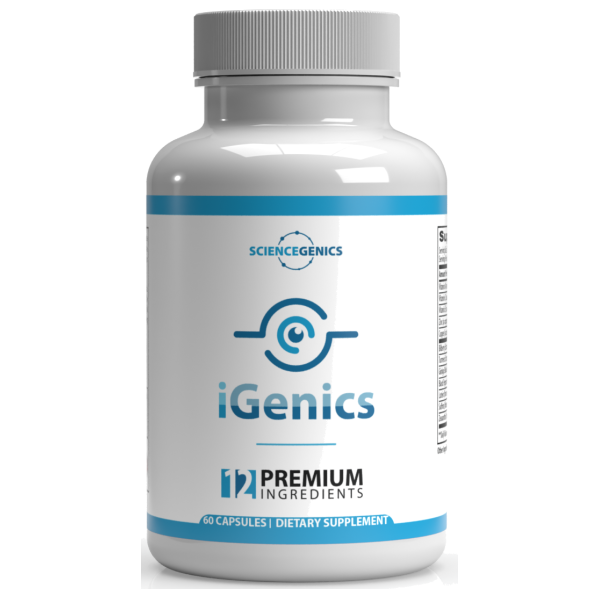
iGenics is a capsule from Science Genics sold for “healthier eyesight”. Its label lists 12 ingredients with full amounts, including vitamin C, zinc, copper, lutein, zeaxanthin, saffron, bilberry, turmeric and ginkgo. This review compares it with the AREDS2 eye vitamins that have real trial evidence, explains who those vitamins help, and covers the prices and the guarantee.
Phytomem One is a once-a-day memory supplement sold with a story about “toxic brain shards”: the microplastic fragments a 2025 study found in human brains. It names ten ingredients: saffron, two seaweed extracts (fucoxanthin and fucoidan), olive leaf, berberine, Ceylon cinnamon, banaba leaf, kudzu flower, Moro orange extract and xylitol. This review covers what is known about each, why most of them are blood sugar and weight ingredients rather than memory ones, the real prices, and the conditions on its 60-day refund.
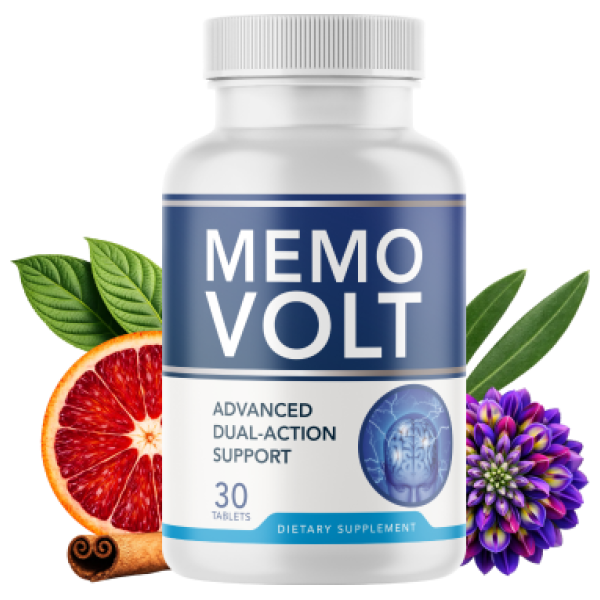
MemoVolt is a once-a-day memory supplement sold on a story about microplastics in the brain. This review covers its ten ingredients, which match Phytomem One’s, what research shows for each, the claims in its marketing, the real prices and the conditions on its 60-day refund.
VisiFlora is a one-a-day capsule sold as a “22-in-1” vision formula that “starts in the gut”. Its page names ingredients such as lutein, zeaxanthin, astaxanthin, bilberry, saffron, zinc and beta-carotene, but publishes no label. This review covers what the research shows for those ingredients, why the missing label and the beta-carotene matter, the real prices and the 60-day refund.
Scientific Analysis of Saffron
Mood and anxiety
This is the best-studied use. A 2019 systematic review and meta-analysis pooled 23 randomized trials. Compared with placebo, saffron, usually 30 mg a day, reduced symptoms of depression and anxiety, and added to antidepressants it improved results further. The effects looked large, but most trials were small, they came from a narrow range of countries, and there were signs that trials with disappointing results had not been published. Saffron is not a replacement for treatment: if low mood lasts, see a doctor, and ask before adding saffron to an antidepressant.
Eyesight
Saffron has been tested in a few small trials in older adults with age-related macular degeneration (AMD), damage to the center of the retina. In the largest, published in 2019, 100 adults over 50 took 20 mg a day and a placebo for three months each, in turn. Vision improved slightly while they took saffron, by less than one letter on an eye chart. There is no good evidence that saffron sharpens eyesight in healthy eyes, and it is not part of the AREDS2 formula tested by the US National Eye Institute.
Memory
A 2020 systematic review found five small randomized trials with 325 people in total, four of them in people with mild cognitive impairment or Alzheimer’s disease. Saffron, 30 mg a day, did better than placebo on cognitive tests and about as well as the drugs donepezil and memantine, but the reviewers warned that the studies had a high risk of bias. There is very little research in people without memory problems.
Side effects and safety
Reviews of saffron’s safety found no significant toxicity at supplement amounts, and in the mood trials side effects were no more common than with placebo. Large amounts are a different matter: less than 1.5 g a day is considered nontoxic, more than 5 g toxic, and about 20 g a day could be fatal. Larger amounts have traditionally been used to bring on miscarriage, so saffron supplements are best avoided in pregnancy. Ask a doctor or pharmacist first if you take blood thinners, antiplatelet drugs or antidepressants. Cooking with saffron is safe.
How much was used in studies
The mood and memory trials mostly used 30 mg of extract a day, and the eye trials 20 mg a day, for periods of weeks to months. Extracts are standardized in different ways, so check the label for the amount of saffron extract, not just its presence.
Products we review that contain it
iGenics lists 20 mg of saffron in its daily dose of two capsules, the amount used in the eye trials. VisiFlora, Phytomem One and MemoVolt include a saffron extract but do not say how much, so there is no way to tell whether they reach the amounts studied.
Frequently Asked Questions
The dried red stigmas of the saffron crocus (Crocus sativus), used as a spice and, as an extract, in supplements. It is the most expensive spice in the world because each flower has only three stigmas, picked by hand.
The best evidence is for mood: in a review of 23 small trials, about 30 mg a day eased symptoms of depression and anxiety more than placebo. Smaller trials found a slight improvement in vision in older adults with macular degeneration and better cognitive test scores in people with memory problems, but those studies were small.
Many small trials suggest it can ease symptoms at about 30 mg a day over several weeks. The trials had weaknesses, including signs that disappointing results went unpublished, so it should not replace treatment; ask a doctor before combining it with an antidepressant.
In a 2019 trial in 100 older adults with age-related macular degeneration, 20 mg a day slightly improved vision, by less than one letter on an eye chart. There is no good evidence that it improves eyesight in healthy eyes.
Trials used 30 mg of extract a day for mood and memory and 20 mg a day for eyesight. Stay within the label dose: amounts above 5 g are toxic.
At supplement amounts, side effects in the mood trials were no more common than with placebo. Very large amounts, more than 5 g, are toxic. Avoid saffron supplements in pregnancy, and ask a doctor first if you take blood thinners or antidepressants.
Among the products we review, iGenics lists 20 mg of saffron per daily dose, and VisiFlora, Phytomem One and MemoVolt include a saffron extract without stating the amount.
⚖️ Conclusion
Saffron is one of the better-studied herbal supplements for mood: many small trials found that about 30 mg a day eased symptoms of depression and anxiety, although the trials had weaknesses and it is no substitute for treatment. The evidence for eyesight and memory is thinner, from a handful of small trials with modest results. Supplement amounts appear safe for most adults, but very large amounts are toxic, saffron supplements are best avoided in pregnancy, and because the spice is costly and often adulterated, the source matters. If you try it, choose a tested extract and use the amounts studied.