
MemoVolt Reviews: Ingredients, the Phytomem One Link and the Real Price
Last updated: · How we review
MemoVolt is a once-a-day memory supplement sold on a story about microplastics in the brain. This review covers its ten ingredients, which match Phytomem One’s, what research shows for each, the claims in its marketing, the real prices and the conditions on its 60-day refund.
Secure 60-Day Money Back Guarantee
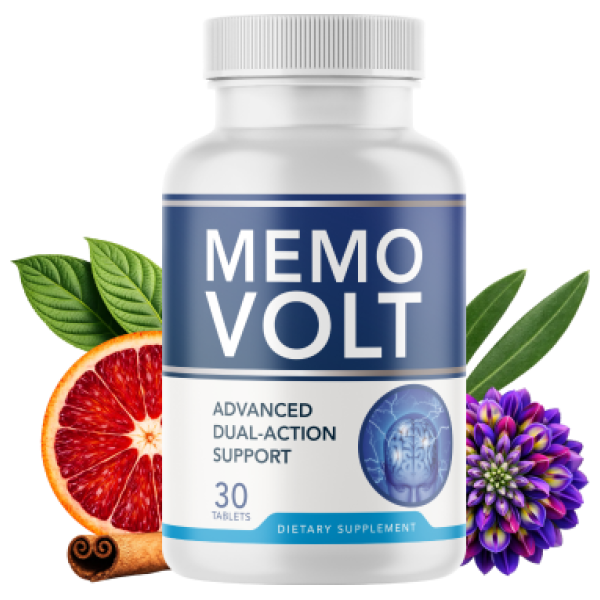
MemoVolt at a Glance
MemoVolt is a once-a-day memory supplement sold through ClickBank on a story about microplastics in the brain. It lists the same ten ingredients as Phytomem One, from the same seller: saffron, berberine, Ceylon cinnamon, banaba, olive leaf, kudzu flower, two seaweed extracts, Moro orange extract and xylitol, with no amounts. Only saffron has memory trials, and three bottles cost $30 more than Phytomem One.
- Price: $49 to $79 per bottle, depending on the package
- Refund window: 60-day money-back guarantee
- Our score: 2.6/5 (Below average) · how we scored it
Looking for a higher-rated option?
Among the products we review for memory and focus, NeuroVera scores 3.7/5, against 2.6/5 for MemoVolt.
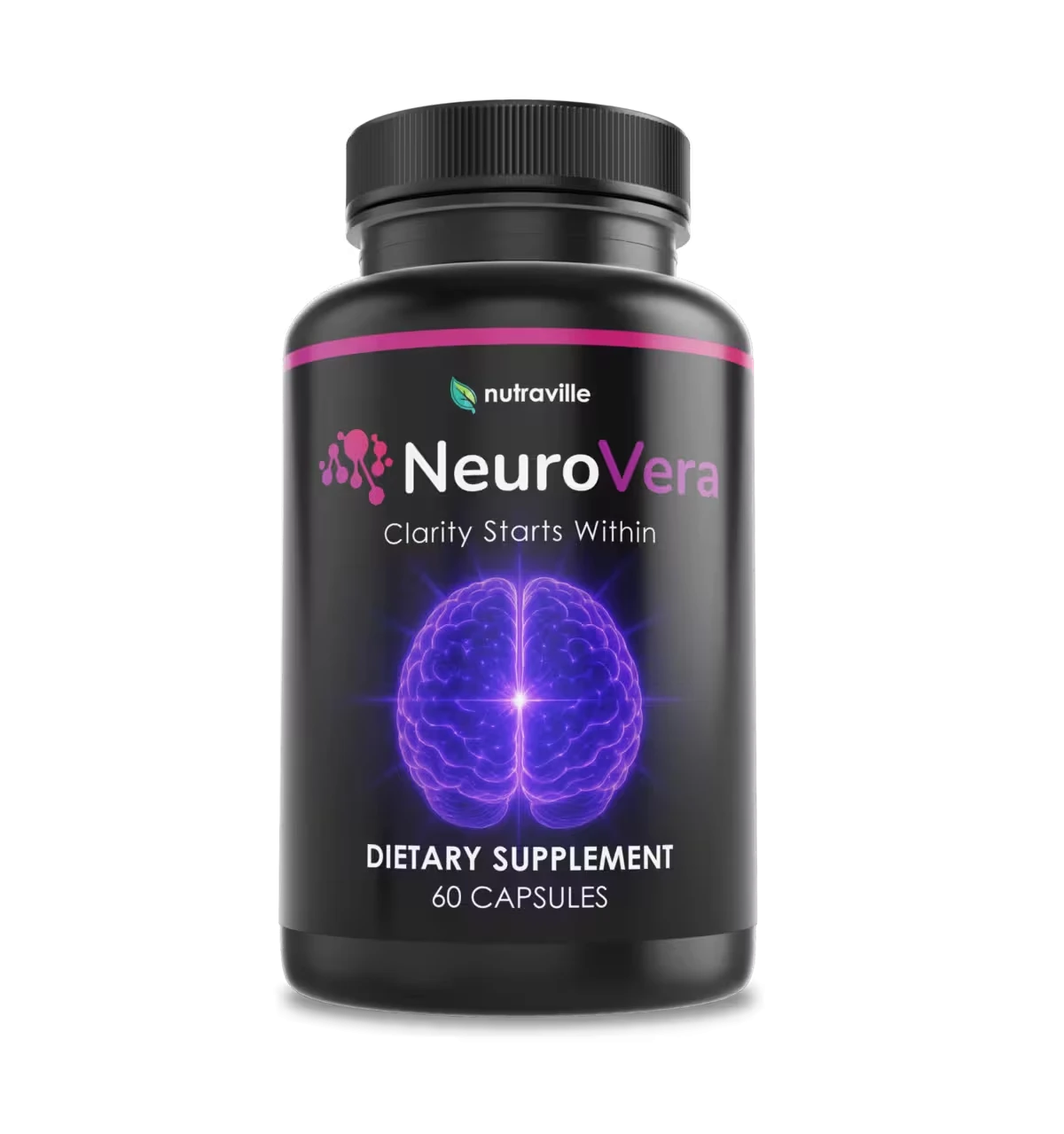
Where it scores higher (NeuroVera vs MemoVolt):
- Refund window: 365 days vs 60 days
- Buying experience: 4.0 vs 2.0
- Strength of evidence: 3.5 vs 2.0
What MemoVolt is
MemoVolt is a dietary supplement marketed to adults worried about memory, brain fog and forgetting names; the seller’s affiliate page says it is aimed at people over 55. It is sold at getmemovolt.com, with ClickBank processing the order. The FAQ says to take “just one capsule daily with food”, but the bottle pictured on the page is labelled 30 tablets, and the page itself describes “gentle, easy-to-take tablets”. It shows no Supplement Facts label, so the amount of each ingredient is not published. The page names no company, doctor or researcher behind it; one of its bonus e-books is credited only to “Dr. N”.
The same ingredients as Phytomem One
MemoVolt lists exactly the same ten ingredients as Phytomem One, grouped into three similar “systems”, with the same line about the USDA National Organic Program. The two sites send returns to the same warehouse address in Largo, Florida, use the same refund policy wording, and give the same contact address on their affiliate pages, where both describe a “Toxic Brain Shards” sales angle built on a microplastics story. Neither publishes a label, so we cannot confirm that the amounts are the same too.
The prices differ. Two bottles cost $158 and six cost $294 at both, but three bottles of MemoVolt cost $207, against $177 for Phytomem One. If you have decided on this formula anyway, Phytomem One’s three-bottle package is $30 cheaper.
The sales pitch: microplastics and “Neuron Starvation”
The page says MemoVolt is “based on the latest discoveries in the microplastic-brain connection”, and its FAQ says it “neutralizes the microplastic buildup suffocating your neurons”. The story is based on a real study. In 2025, researchers at the University of New Mexico reported tiny, shard-like plastic fragments in brain tissue from people who had died, more in samples from 2024 than from 2016, and more again in people who had been diagnosed with dementia.
That study measured plastic, not memory. It found an association with dementia but did not show that the plastics cause memory loss, and it did not test any way of removing them. The seller’s suggested emails for affiliates go further, saying that when the fragments were flushed out, memory, focus and clarity “came flooding back”. No study has shown that, and none has shown that any supplement removes microplastics from the brain. The page’s second idea, that its blood sugar ingredients feed “starving” neurons, leans on the fact that people with type 2 diabetes have a higher risk of dementia; no trial has shown that these ingredients protect memory.
What is in it
The page lists ten ingredients in three groups, with no amounts:
- “Microplastic Defense Matrix”: saffron extract, fucoxanthin and fucoidan (both from brown seaweed), and oleuropein from olive leaf.
- “Brain Fuel Support Complex”: berberine HCl, Ceylon cinnamon bark, corosolic acid from banaba leaf, and kudzu flower extract.
- “Neural Amplifier System”: Morosil, a Moro blood orange extract the page calls its “hero ingredient”, and xylitol.
Look past the group names and a pattern appears. Berberine, cinnamon, banaba, olive leaf and kudzu are blood sugar ingredients, Morosil and fucoxanthin are best known as weight-loss ingredients, and xylitol is a sweetener.
What the research actually supports
- Saffron: the one ingredient with a set of memory trials. A 2020 systematic review found five small randomised trials (325 people), four of them in people with Alzheimer’s disease or mild cognitive impairment. At 30 mg a day, saffron did better than placebo on cognitive tests and about as well as the drugs donepezil and memantine, but the reviewers urged caution because the trials were small. There is very little research in people without memory problems, and none showing that saffron protects neurons from microplastics, as the page claims.
- Berberine: modest but consistent evidence for lowering blood sugar and cholesterol in type 2 diabetes, at 1,000–1,500 mg a day in most trials. One tablet holding ten ingredients is very unlikely to contain that much, and berberine has no memory trials.
- Ceylon cinnamon, banaba and olive leaf: small human studies on blood sugar, and for olive leaf blood pressure, with mixed results. None tested memory. The seller’s cinnamon reference is a study in mice, and its banaba reference is a study of cells in a dish.
- Kudzu flower: the seller’s reference is a review of puerarin, an isoflavone from kudzu. We found no memory trial of kudzu flower in people.
- Fucoxanthin and fucoidan: the page says fucoxanthin is “proven to cross the blood-brain barrier” and reduces inflammation caused by microplastics; we found no human study showing either. The nearest is one 12-week trial, funded by the maker of a microalgae extract, in which 43 older adults who felt their memory was slipping took 8.8 mg of fucoxanthin a day; it reported some improvements on memory tests, but most of the changes were seen over time rather than against placebo. The seller’s only reference touching fucoidan is a laboratory study of mouse immune cells.
- Morosil: a six-month trial in overweight adults found 400 mg a day led to more weight loss than placebo (4.2% against 2.2% of body weight). It is a weight-loss ingredient; nothing links it to memory, and we found no evidence for the page’s claim that it makes every other ingredient better absorbed.
- Xylitol: a sugar alcohol used as a sweetener. The seller’s reference for it is a study in mice; no research in people shows that xylitol supports the brain.
The seller’s reference page lists eleven links, one of them twice, and it is a different list from Phytomem One’s. The Morosil weight-loss trial, listed twice, is the only human trial. The rest are five review articles (two of them on saffron), a laboratory study of mouse immune cells, a cell study of corosolic acid and two mouse studies. None tested MemoVolt.
Side effects and who should skip it
- Prescribed memory medicines: the seller’s suggested emails for affiliates say that brain scans of patients taking “America’s most prescribed memory drugs” showed “something terrifying”, and promise “No prescriptions. No side effects.” Do not stop or change a medicine such as donepezil or memantine because of an advert; talk to the doctor who prescribed it.
- Diabetes medicines: berberine, cinnamon, banaba and olive leaf can all lower blood sugar, so together they could add to the effect of diabetes medication.
- Other medicines: berberine slows liver enzymes that break down many drugs, so it can raise their levels.
- Pregnancy and breastfeeding: berberine should not be used, because it can cause or worsen jaundice in newborns.
- Stomach: berberine commonly causes stomach upset, constipation or diarrhoea.
- Dogs: xylitol is highly toxic to dogs, so keep the bottle out of their reach.
Price and which package makes sense
There is no single bottle. Two bottles cost $158 ($79 each) plus a shipping fee; the shipping policy lists $9.95 for smaller US orders. Three bottles cost $207 ($69 each) and six cost $294 ($49 each), both with free US shipping. Every package includes three digital bonus e-books the page values at more than $200, and the crossed-out $99 a bottle is a reference price nobody pays. The FAQ says it is a one-time purchase with no recurring charges.
Two bottles last 60 days, the same length as the guarantee, so you would have to decide before finishing them, and the two best-known saffron trials ran for 16 and 22 weeks. For the same ten ingredients, Phytomem One charges $177 for three bottles, $30 less. Our MemoVolt buying guide covers shipping outside the US.
How the 60-day refund works
The sales page promises a refund that is “simple and hassle-free”: “just contact us and we will refund your purchase”. The refund policy, worded the same as Phytomem One’s, is stricter. The 60 days run from the day your order is delivered. You must send back all the items you received to the warehouse in Largo, Florida, at your own postage cost, and you are refunded the purchase price minus any shipping fees. The policy also lists cases where only a partial refund is given, apparently copied from a template for books, DVDs and software. Keep your empty bottles until you are sure.
The sales page
The order section lists its prices clearly, but it says supplies are limited and that “this offer may not return”, and calls MemoVolt “trusted by over 71,000” customers with nothing to support the figure. Its testimonials carry first names, states and photos, while the footer says names have been changed. The FAQ says the charge will appear under “BuyGoods”, a different payment company, although the order goes through ClickBank. The seller’s affiliate page shows there are upsell offers after checkout, and its suggested emails cast doubt on prescribed memory medicines. These are why MemoVolt scores lower than Phytomem One for buying experience.
Realistic expectations
If MemoVolt holds a meaningful dose of saffron, a modest benefit is possible, but the saffron trials were mostly in people with Alzheimer’s disease, and the product itself has never been tested. Memory problems that are new or getting worse deserve a doctor’s visit, because many causes, such as thyroid problems, low vitamin B12, depression and sleep apnoea, are treatable. Regular exercise, good sleep, and treating hearing loss and high blood pressure have far stronger evidence for protecting memory than any supplement. Our memory supplements guide compares the products we review.
🧪 Key Ingredients
What is in the formula, with a short note on each ingredient:
🌿 Berberine
Berberine is a bioactive alkaloid found in several traditional medicinal plants, studied mainly for its effects on blood sugar and cholesterol. It is widely used as a natural supplement to support healthy blood sugar levels, improve cholesterol profiles, and assist in weight management.
🌿 Cinnamon Bark
Cinnamon Bark is a botanical extract derived from the inner bark of Cinnamomum trees, traditionally used to support glucose metabolism. Its compounds have been studied for effects on blood sugar and as antioxidants, with mixed results in human trials.
🌿 Saffron Extract
Five small trials (325 people), mostly in Alzheimer’s disease or mild cognitive impairment, found 30 mg a day did better than placebo on cognitive tests and about as well as donepezil or memantine. Evidence in healthy adults is very limited.
🌿 Corosolic Acid (Banaba Leaf)
Small human studies suggest a modest drop in blood sugar; it has not been studied for memory.
🌿 Oleuropein (Olive Leaf)
Small human trials have looked at blood pressure and insulin sensitivity; none tested memory.
🌿 Kudzu Flower Extract
Contains isoflavones such as puerarin. We found no memory trial of kudzu flower in people.
🌿 Fucoxanthin and Fucoidan (Brown Seaweed)
One small sponsor-funded trial of 8.8 mg of fucoxanthin a day reported some memory test changes, mostly over time rather than against placebo. No human study shows either removes microplastics or crosses into the brain.
🌿 Morosil (Moro Orange Extract)
In a six-month trial in overweight adults, 400 mg a day led to more weight loss than placebo (4.2% against 2.2% of body weight). Nothing links it to memory.
🌿 Xylitol
A sugar alcohol sweetener. No research in people shows it supports the brain, and it is very toxic to dogs.
*Always consult with your physician before starting any new supplement.
✅ Pros
- Contains saffron, the one ingredient here with a set of memory trials: small studies in Alzheimer’s disease found 30 mg a day did about as well as standard drugs.
- All ten ingredients are named and the seller lists its references, so its claims can be checked.
- One a day with food, a one-time payment and no subscription.
- Free US shipping on three or six bottles.
❌ Cons
- The same ten ingredients as Phytomem One, but three bottles cost $207 against $177.
- No label and no amounts, so the dose of saffron, the one memory ingredient, is unknown.
- Most ingredients - berberine, cinnamon, banaba, olive leaf, kudzu and Moro orange - are blood sugar or weight ingredients with no memory trials.
- Sold on a microplastics story; no study shows any supplement removes plastics from the brain.
- The seller’s affiliate emails cast doubt on prescribed memory medicines.
- No single bottle: the smallest order is two bottles for $158 plus shipping.
- The refund policy is stricter than the sales page: 60 days from delivery, every bottle returned at your own cost, minus shipping fees.
- Berberine can interact with diabetes medicines and many other drugs, and should be avoided in pregnancy and breastfeeding.
What Specific Issues Can MemoVolt Help With?
Based on the formula and our research, this product is frequently considered for the following health concerns:
Choose Your Package
60-Day Money-Back Guarantee
The sales page says to email support for a full refund, but the refund policy sets firmer conditions: the 60 days run from the day your order is delivered, you must send back all the items you received to the warehouse in Largo, Florida, at your own postage cost, and you are refunded the purchase price minus any shipping fees. The policy says refunds are processed a few days after the return arrives. Because the order goes through ClickBank, you can also contact ClickBank’s order support at clkbank.com. Keep your order number.
Frequently Asked Questions
MemoVolt is a once-a-day memory supplement sold at getmemovolt.com, with ClickBank processing the order. It is marketed with a story about microplastics in the brain and lists ten ingredients, including saffron and berberine, with no amounts.
It lists exactly the same ten ingredients, uses the same microplastics story, and comes from the same seller: both sites give the same returns warehouse in Largo, Florida, the same refund wording and the same affiliate contact. Neither publishes a label, so the amounts cannot be compared. Three bottles of MemoVolt cost $207, against $177 for Phytomem One.
Saffron extract, fucoxanthin and fucoidan from brown seaweed, oleuropein from olive leaf, berberine HCl, Ceylon cinnamon bark, corosolic acid from banaba leaf, kudzu flower extract, Morosil (a Moro blood orange extract) and xylitol. No amounts are published.
It has never been tested. Saffron is the only ingredient with a set of memory trials, small ones mostly in Alzheimer’s disease at 30 mg a day, and the amount in MemoVolt is not published. Most of the other ingredients are studied for blood sugar or weight.
No study shows that. The 2025 study behind the story found plastic fragments in brain tissue from people who had died, with more in people who had dementia, but it did not show that the plastics cause memory loss or test any way of removing them.
Berberine commonly causes stomach upset, can add to diabetes medicines along with cinnamon, banaba and olive leaf, and can raise the levels of many other drugs. It should not be used in pregnancy or breastfeeding. Xylitol is very toxic to dogs. Do not stop a prescribed memory medicine because of a supplement.
It is a real product sold through ClickBank with a 60-day refund. But it publishes no label, its microplastics claim is not supported by any study, it costs more than Phytomem One for the same ingredient list, and its refund policy is stricter than the sales page says.
There is no single bottle. Two bottles cost $158 plus a shipping fee, three cost $207 and six cost $294, both with free US shipping and three bonus e-books. It is a one-time payment.
You have 60 days from delivery. Return all the bottles you received, opened or not, to the warehouse in Largo, Florida, at your own cost. The refund is the purchase price minus shipping fees. ClickBank’s order support at clkbank.com can also help.
🎉 Special Offer Available
For a limited time, get the 6 Bottles for just $294 ($49/bottle).
180 Day Supply
See Why Everyone's Choosing This →How we scored MemoVolt
Five weighted criteria — see our full methodology.
Whether the label discloses how much of each ingredient it contains, rather than hiding amounts inside a proprietary blend.
Whether the finished product has been tested in a published trial, or the claims rest on research into individual ingredients.
Monthly cost on the three-month package, the shortest course most vendors recommend (the single price for one-off digital products), compared against the rest of the category.
Length of the refund window measured against the trial period the vendor itself recommends.
How the product is sold: sales channel, checkout upsells, subscription defaults and how clearly the offer is presented.
All ten ingredients are named, but no label or amounts are shown, and even the format is muddled: the bottle pictured says 30 tablets, while the FAQ says one capsule. The ingredient list is the same as Phytomem One’s. Only saffron has memory trials, small ones mostly in Alzheimer’s disease at 30 mg a day; the rest are studied mainly for blood sugar or weight, and the only human trial on the seller’s reference page is a weight-loss trial. Buying experience scores lower than Phytomem One’s: as well as the microplastics story, upsell offers after checkout and a refund policy stricter than the sales page says, the seller’s suggested emails for affiliates cast doubt on prescribed memory medicines, the order section warns that supplies are limited, and the FAQ names a different payment company from the one that processes the order.
Final Verdict
MemoVolt appears to be Phytomem One under a different name: the same ten ingredients, the same microplastics story, the same seller and the same returns warehouse in Florida, but three bottles cost $207 instead of $177. Of those ingredients, only saffron has been tested for memory, in a handful of small trials, mostly in people with Alzheimer’s disease, at 30 mg a day; with no amounts published, there is no way to know whether MemoVolt contains that much. The rest are mainly blood sugar and weight-loss ingredients, and nothing shows that any of them removes plastics from the brain.
If your memory is worrying you, see a doctor first, and do not stop a prescribed memory medicine because of a supplement’s marketing. If you want a memory supplement, NeuroVera, built around bacopa with a 365-day guarantee, has a better case. Avoid MemoVolt if you are pregnant or breastfeeding, and check with your doctor if you take diabetes medication or any regular prescription, because of the berberine.
Higher-rated alternative: NeuroVera scores 3.7/5 for memory and focus. Read the review · check its price
Why Trust This Review?
We check claims against published research and score every product with the same published rubric. We earn a commission if you buy through our links (disclosure); it never changes a score.
- ✓ Scored with our published rubric
- ✓ Claims checked against published research
- ✓ Refund terms checked
- ✓ Affiliate commissions disclosed
Thinking of Trying MemoVolt?
Order only from the official site, so the 60-day money-back guarantee applies, and check the total price and refund terms before you pay.
✓ Secure Checkout ✓ 60-Day Money-Back Guarantee