
Home » Ingredients » Tribulus Terrestris
Tribulus Terrestris: What the Research Shows
Tribulus Terrestris is a small, leafy plant used for centuries in traditional medicine to enhance vitality and libido. Today, it is a staple in the supplement industry for its purported benefits in supporting hormonal health and physical performance.
Last updated 7 October 2026
Tribulus Terrestris: the short answer
Tribulus terrestris is marketed as a testosterone booster, but systematic reviews find it does not raise testosterone in men. Small trials suggest modest improvements in erectile function and sexual desire in men and women, though the evidence is of low to very low certainty. Other claimed benefits, such as blood sugar control, rest on very limited data.
| What it is | A spiny, low-growing plant (puncture vine; Gokshura in Ayurveda) in the family Zygophyllaceae. Extracts of the fruit or aerial parts contain steroidal saponins such as protodioscin. |
|---|---|
| Most studied for | Testosterone and athletic performance (no consistent effect), erectile dysfunction and low desire in men, low sexual desire in women, and blood sugar in one small trial of women with type 2 diabetes. |
| Amounts used in studies | About 400 to 1,500 mg of extract daily for 1 to 4 months: 1,500 mg/day for 12 weeks in men with erectile dysfunction; 750 mg/day for 120 days in postmenopausal women; 1,000 mg/day for 3 months in women with type 2 diabetes; 450 mg/day for 5 weeks in rugby players. |
| Strength of evidence | Limited. Reviews find no testosterone increase, and sexual-function trials are small, with evidence rated low to very low certainty. |
| Safety | Side effects in trials of up to about 4 months were mostly mild and similar to placebo. Rare case reports describe severe kidney and liver injury, and breast enlargement (gynecomastia) in a young weight trainer. Avoid in pregnancy and breastfeeding; people taking diabetes medicines or with hormone-sensitive cancers should talk to a doctor first. |
| In products we review | Protoflow, Quietum Plus, Fluxactive Complete |
Sources: Systematic review: ED and testosterone · Male sexual dysfunction RCT · Female sexual dysfunction review · Kidney and liver injury case
Benefits of Tribulus Terrestris
What is Tribulus Terrestris?
Tribulus Terrestris, commonly known as puncture vine, goat's head, or caltrop, is a small, prostrate flowering plant in the family Zygophyllaceae. Native to warm temperate and tropical regions of the Old World, including southern Europe, southern Asia, throughout Africa, and Australia, it has earned a reputation as a hardy 'weed' that can thrive even in the most inhospitable climates. Despite its prickly exterior, the plant contains a treasure trove of bioactive compounds that have made it a focal point of herbal medicine for millennia.
A Rich History in Traditional Medicine
For centuries, Tribulus terrestris has been used in traditional healing systems. In Ayurvedic medicine, it is known as 'Gokshura' and is utilized to support kidney function, urinary tract health, and reproductive vitality. Practitioners often prescribed it as a cooling tonic to balance the body's systems. Similarly, in Traditional Chinese Medicine (TCM), it is referred to as 'Bai Ji Li' and is often prescribed to address issues related to the liver, eyes, and cardiovascular system. Its historical use as an aphrodisiac and a general tonic for vitality has paved the way for its massive popularity in the modern dietary supplement industry, where it is primarily marketed to men seeking to optimize their physical and sexual performance.
Top Rated Supplements with Tribulus Terrestris
Products we review that list Tribulus Terrestris as an ingredient. Not every product discloses how much of each ingredient a serving contains, so check each review before assuming it matches the amounts used in studies.
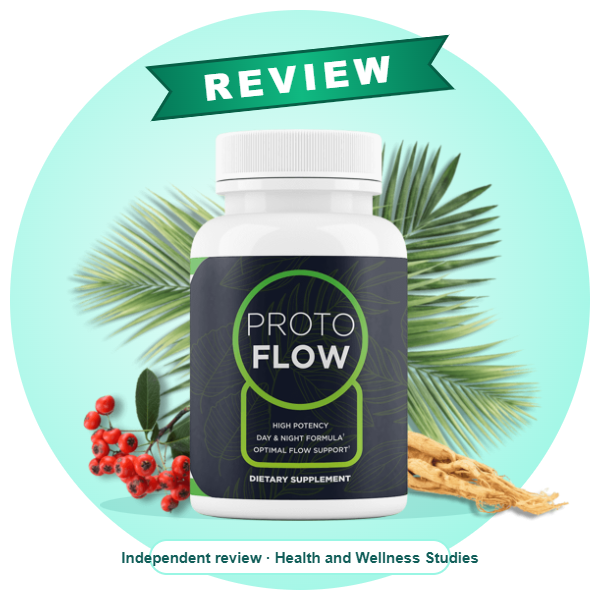
Protoflow is a prostate and urinary-flow capsule sold through ClickBank by PhytoThrive Labs, with 14 ingredients including saw palmetto, horny goat weed and niacin. This review checks the full label against the research and explains the prices and refund rules.
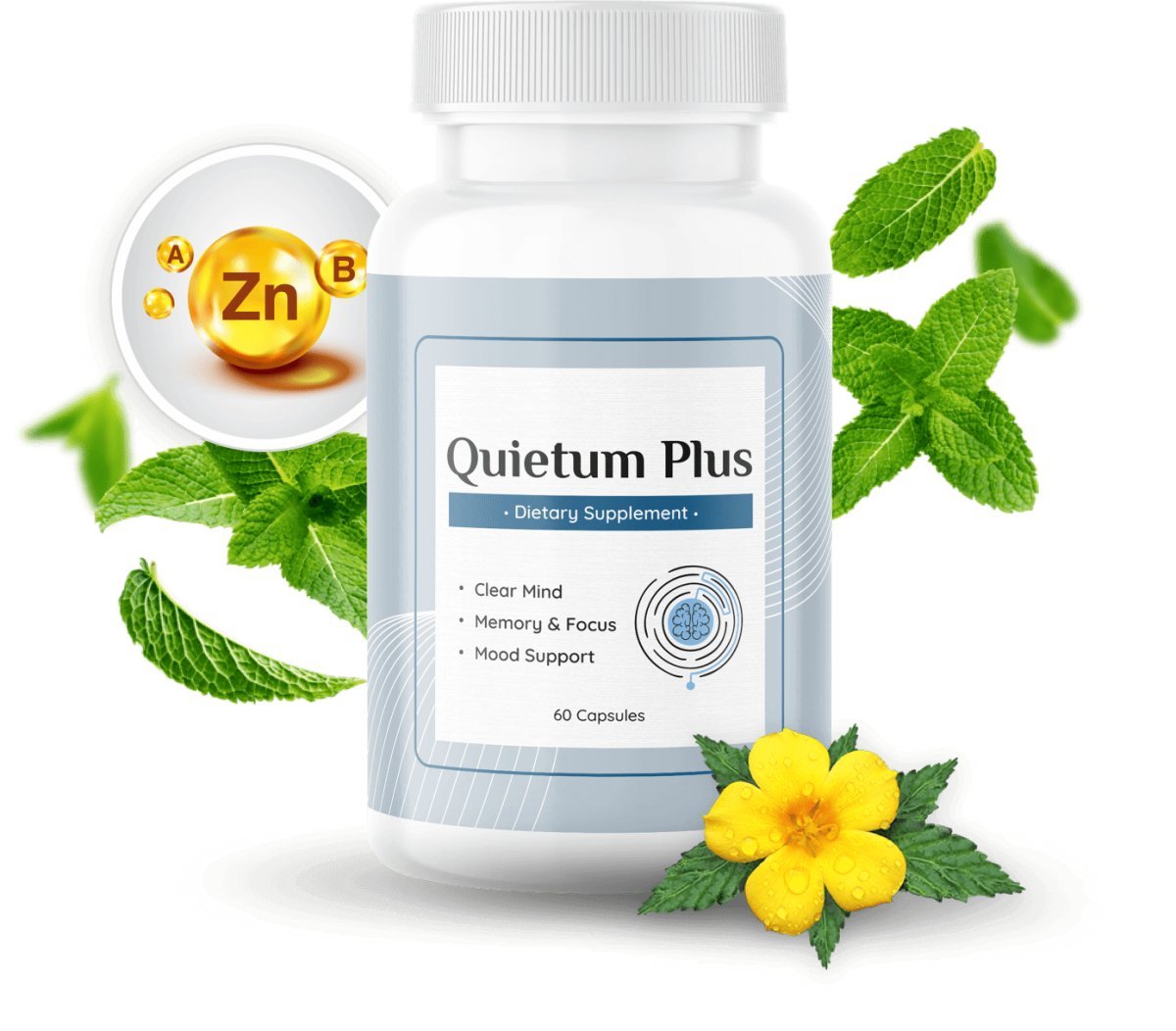
Quietum Plus is a capsule supplement marketed for ear health and hearing. It combines 18 plant extracts with vitamins, zinc and amino acids, and the vendor says it supports nerve function and circulation to the ears; this has not been tested. Designed for those who want a non-invasive way to support their hearing wellness, it focuses on long-term nutritional support rather than instant fixes.
Fluxactive Complete is a capsule sold as a “14-in-1” prostate formula by Phytothrive Labs. It names saw palmetto, Chinese ginseng, vitamin E, tribulus, epimedium, damiana and eight other ingredients, but publishes no label or amounts. This review covers what the research shows for those ingredients, why the missing label matters, the real prices and the 60-day refund terms.
Scientific Analysis of Tribulus Terrestris
The Science of Tribulus Terrestris: Mechanism of Action
Tribulus Terrestris is rich in bioactive compounds, most notably steroidal saponins, flavonoids, and alkaloids. Among these, protodioscin is considered the primary active constituent responsible for many of its purported effects. Protodioscin is a steroidal saponin that is thought to influence the body's hormonal environment, though the exact pathways in humans are still being mapped out by researchers.
The Role of Nitric Oxide
Beyond hormonal pathways, lab and animal research suggests Tribulus may influence the release of nitric oxide (NO). In theory, more NO relaxes blood vessels, but improved blood flow has not been clearly shown in people taking Tribulus. This mechanism is particularly relevant for cardiovascular health and erectile function, as enhanced blood flow is critical for both. Some athletes take it before workouts or for recovery, although trials in athletes have not shown clear benefits.
Steroidal Saponins and Protodioscin
The potency of a Tribulus supplement is typically measured by its saponin content. These compounds are believed to interact with androgen receptors or influence the conversion of hormones. While some animal studies suggested an increase in testosterone, human trials have generally not found one. A rat study found more androgen receptors in part of the brain after Tribulus, but whether anything similar happens in people is unknown.
Health Benefits and What the Research Shows
Libido and Sexual Wellness
The most consistent, though still limited, human findings for Tribulus terrestris involve sexual function rather than testosterone. Some small trials in men with erectile dysfunction or low desire have reported better sexual function scores after one to three months. In a 2017 trial in Maturitas, 180 men with mild to moderate erectile dysfunction took 1,500 mg of Tribulus extract or placebo daily for 12 weeks; erectile function scores improved modestly more with Tribulus. Small trials have also been carried out in women. Trials in premenopausal and postmenopausal women with low sexual desire reported better sexual function scores, but a systematic review rated the certainty of this evidence as very low.
Athletic Performance and Muscle Recovery
Tribulus is frequently marketed to bodybuilders as a natural testosterone booster. However, human research presents a nuanced picture. Some animal studies show increases in testosterone, but human trials, including in athletes, have generally found no increase. Most studies on elite athletes show no significant increase in testosterone levels compared to a placebo. Other benefits for athletes have been proposed but are poorly supported. One small study of 15 boxers reported less muscle damage with 1,250 mg daily, while a trial in rugby players found no extra gains in strength or muscle. There is no good evidence that it allows harder or more frequent training or prevents overtraining.
Blood Sugar Regulation and Heart Health
One small trial suggests Tribulus terrestris may lower blood sugar in women with type 2 diabetes; heart protection has not been shown in people. In a 3-month trial of 98 women with type 2 diabetes, 1,000 mg daily lowered blood glucose, total cholesterol and LDL (bad) cholesterol versus placebo, but did not change triglycerides. Claims that it protects the inner lining of blood vessels (the endothelium) come from lab and animal research. There is no human evidence that Tribulus prevents atherosclerosis.
Urinary Tract and Kidney Support
Following its traditional use in Ayurveda, modern research has begun to investigate Tribulus for its diuretic properties. It has been proposed to increase urine flow, but it has not been shown to prevent kidney stones in people. Laboratory work on calcium oxalate crystals has not been confirmed in human trials, and it is not a treatment for kidney stones; one man who drank it to prevent stones developed severe liver and kidney toxicity.
Potential Side Effects and Safety Profile
In trials lasting up to about 3 to 4 months, Tribulus was generally well tolerated, but long-term safety is unknown. Side effects in trials were mostly mild, but rare case reports describe serious kidney and liver injury and breast enlargement in a man. Common issues include:
- Stomach cramps and abdominal pain
- Nausea or indigestion
- Difficulty sleeping or mild restlessness
- Increased heart rate in sensitive individuals
It is important to note that because it may affect hormone levels and blood sugar, certain populations should exercise extreme caution. Individuals with hormone-sensitive conditions, such as prostate or breast cancer, should avoid Tribulus as it could theoretically interfere with treatment. Furthermore, because it can lower blood glucose, those taking medication for diabetes should monitor their levels closely to avoid hypoglycemia. Pregnant and breastfeeding women should also avoid this supplement because its safety in pregnancy and breastfeeding has not been established.
Dosage and Standardization
Tribulus products vary widely, and many state their saponin content. For example, the extract used in one large trial was standardized to at least 45% furostanol saponins (112.5 mg per 250 mg tablet). Human trials have used roughly 400 to 1,500 mg of extract per day for 1 to 4 months, often split into two or three doses. It is generally recommended to start with a lower dose to assess tolerance before moving to higher amounts.
Frequently Asked Questions
While animal studies often show an increase, human clinical trials have mostly shown that it does not significantly raise total testosterone in healthy men. However, it may improve libido and sexual function regardless of testosterone levels.
Human trials have used roughly 400 to 1,500 mg of extract per day. Look for a product that states its saponin content, but no standardization level has been proven to work best.
Yes, taking Tribulus Terrestris with a meal is recommended to prevent potential gastrointestinal upset, such as nausea or stomach cramps.
A handful of small trials in women with low sexual desire reported improvements, but a systematic review rated the evidence as very low certainty, and it should be avoided in pregnancy.
In trials, changes in sexual function scores were measured after 1 to 3 months of daily use, and the blood sugar trial lasted 3 months.
⚖️ Conclusion
Tribulus Terrestris remains one of the most popular herbal supplements in the world of sports nutrition and sexual wellness. Reviews find no reliable evidence that it raises testosterone in men, and evidence for better libido and erectile function comes from small trials of low to very low certainty. Its steroidal saponins, such as protodioscin, are thought to be the active compounds, but claimed heart and metabolic benefits rest on lab, animal and very limited human data. For athletes, Tribulus used alone has not been shown to raise testosterone or improve strength or performance. If you choose a supplement, look for one that states its saponin content, although no standardization level has been proven to work best. Overall, Tribulus terrestris may modestly help sexual function in some people, but the evidence is limited and rare serious side effects have been reported. However, individuals with pre-existing hormonal or cardiovascular conditions should seek medical advice before starting a regimen. It is best used as part of a holistic approach to health, including proper nutrition and regular exercise.