
Home » Ingredients » Turmeric
Turmeric and Curcumin: What It Is Good For, Absorption, Side Effects and Safety
Turmeric (Curcuma longa) is a spice in the ginger family; its yellow compound curcumin eased knee arthritis pain in small trials but is poorly absorbed on its own.
Last updated 2 November 2026
Turmeric: the short answer
Turmeric is a spice from the root of Curcuma longa, a plant in the ginger family, and curcumin is the compound that makes it yellow. Its best-supported use is knee osteoarthritis: in small trials, concentrated curcumin extracts eased pain compared with a placebo and about as much as anti-inflammatory painkillers, although the trials were of low quality. Curcumin is poorly absorbed, so supplements often add black pepper extract (piperine). Turmeric in food is safe, but supplements can cause nausea and reflux, liver damage has been reported with highly absorbable products, and they may be unsafe in pregnancy.
| What it is | A spice from the root of Curcuma longa (ginger family); curcumin is its main active, yellow compound. |
|---|---|
| Most studied for | Knee osteoarthritis pain. |
| Amounts used in studies | Concentrated curcumin extracts, not the spice; amounts vary widely between products. |
| Strength of evidence | Promising but low quality for knee osteoarthritis; not enough evidence for other conditions. |
| Safety | Nausea and reflux; liver damage reported with highly absorbable products; may be unsafe in pregnancy; may raise bleeding risk with blood thinners. |
| In products we review | iGenics, Finessa |
Sources: Turmeric (NCCIH) · Curcumin and boswellia for knee osteoarthritis: systematic review and meta-analysis (Semin Arthritis Rheum 2018)
Benefits of Turmeric
What is turmeric?
Turmeric is a plant in the ginger family, Curcuma longa, grown mainly in India and Southeast Asia, and known as curcuma in many languages. Its root is dried and ground into the yellow spice used in curries. Curcumin, the main active compound, gives the spice its colour, but it makes up only a few per cent of turmeric powder, so supplements usually use concentrated extracts standardised to curcuminoids.
Why people take it
People take turmeric and curcumin supplements mainly for joint pain and inflammation, and also for digestion, the liver and general health.
Top Rated Supplements with Turmeric
Products we review that list Turmeric as an ingredient. Not every product discloses how much of each ingredient a serving contains, so check each review before assuming it matches the amounts used in studies.
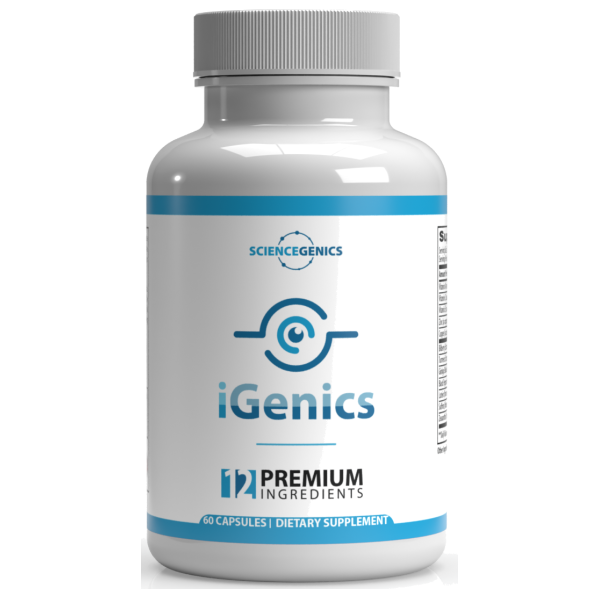
iGenics is a capsule from Science Genics sold for “healthier eyesight”. Its label lists 12 ingredients with full amounts, including vitamin C, zinc, copper, lutein, zeaxanthin, saffron, bilberry, turmeric and ginkgo. This review compares it with the AREDS2 eye vitamins that have real trial evidence, explains who those vitamins help, and covers the prices and the guarantee.
Finessa is a powdered digestive supplement sold for constipation, bloating and a “flatter belly”. One scoop combines fruit and vegetable powders, liver herbs such as dandelion and milk thistle, probiotics and cascara sagrada, a stimulant laxative. This review covers what the label shows, what the research supports, why the laxative matters, side effects, the real prices and how the 180-day refund works.
Scientific Analysis of Turmeric
Knee osteoarthritis and joint pain
Joint pain is where curcumin has its best evidence. A 2018 systematic review of randomized trials in knee osteoarthritis found that curcumin products reduced pain and improved function compared with a placebo, and worked about as well as nonsteroidal anti-inflammatory painkillers (NSAIDs) such as ibuprofen, with fewer stomach side effects. The trials were small and mostly of low quality, and they used concentrated curcumin extracts, not the spice. The US National Center for Complementary and Integrative Health (NCCIH) calls the early evidence positive but says higher-quality studies are needed.
Is turmeric good for you?
As a spice in food, turmeric is safe and a fine part of a healthy diet. For other conditions, NCCIH says there is not enough evidence to conclude whether turmeric or curcumin supplements help; early research on fatty liver disease and on mouth sores from cancer treatment is preliminary. Claims that it “detoxes” or cures disease are not supported.
Turmeric or curcumin, and why black pepper?
Curcumin is poorly absorbed: much of a swallowed dose passes through the gut or is broken down quickly. Combining it with piperine, the active compound in black pepper, is one way to improve absorption, which is why many supplements add black pepper extract. Piperine can also increase the absorption of some medicines, and highly absorbable curcumin products are the ones linked to liver injury (see below).
How much turmeric per day
There is no standard dose. The arthritis trials used concentrated curcumin extracts, and products vary widely in how much curcumin they deliver, so compare the amount of curcuminoids rather than the amount of turmeric. NCCIH says conventional oral forms are likely safe in recommended amounts for up to 2 or 3 months.
Side effects and safety
- Stomach: nausea, vomiting and acid reflux; on the skin, curcumin can cause hives or itching.
- Liver: liver damage has been reported in some people taking highly absorbable turmeric or curcumin products. Stop and see a doctor if you notice yellowing skin or eyes, dark urine or unusual tiredness.
- Pregnancy: turmeric supplements may be unsafe in pregnancy; food amounts are fine.
- Blood thinners: turmeric may raise the risk of bleeding with warfarin, aspirin and similar medicines, so check with your doctor and stop before surgery.
Products we review that contain it
iGenics combines 350 mg of turmeric extract (95%) with 20 mg of black pepper extract. Finessa includes turmeric in a 450 mg liver blend without the amount; the stool study its seller cites was in rats. Keravita Pro includes it among about 20 ingredients sharing a 1,512 mg blend, so each is present in a small, unknown amount.
Frequently Asked Questions
Its best-supported use is knee osteoarthritis: in small trials, concentrated curcumin extracts eased pain compared with a placebo and about as much as anti-inflammatory painkillers. Evidence for other uses is limited.
As a spice in food, yes: it is safe and adds flavour and colour. Turmeric supplements have promising but low-quality evidence for knee arthritis pain and not enough evidence for other conditions.
Turmeric is the whole spice; curcumin is its main active compound and makes up only a few per cent of the powder. Supplements usually use concentrated curcumin extracts.
Curcumin is poorly absorbed, and piperine from black pepper improves its absorption. Piperine can also raise the absorption of some medicines, so check with a pharmacist if you take regular medicines.
Nausea, vomiting and acid reflux. Liver damage has been reported with highly absorbable turmeric or curcumin products, and supplements may be unsafe in pregnancy.
There is no standard dose. The arthritis trials used concentrated curcumin extracts, so compare products by their curcuminoid content, follow the label, and limit use to 2 or 3 months unless your doctor advises otherwise.
Rarely. Liver injury has been reported in some people taking highly absorbable turmeric or curcumin supplements. Stop and see a doctor if you notice yellowing skin or eyes, dark urine or unusual tiredness.
Among the products we review, iGenics combines 350 mg of turmeric extract with black pepper extract, Finessa includes it in a liver blend and Keravita Pro in a large blend, both without the amount.
⚖️ Conclusion
Turmeric is a safe, useful spice, and concentrated curcumin has promising evidence for easing knee osteoarthritis pain, about as well as common painkillers in small, low-quality trials. Beyond that, the claims outrun the research. Curcumin is poorly absorbed, which is why products add black pepper extract, and those more absorbable products are the ones linked to rare liver injury. If you try it for joint pain, choose a product that states its curcuminoid content, use it for a limited period, and check with your doctor if you take blood thinners or are pregnant.