
Home » Ingredients » Stinging Nettle Root
Stinging Nettle Root Benefits: What the Research Shows
Stinging nettle root is an herbal extract from the Urtica dioica plant, used mainly for urinary symptoms of an enlarged prostate. Some trials suggest modest relief of BPH symptoms, while its hormone effects come mainly from lab studies.
Last updated 7 October 2026
Stinging Nettle Root: the short answer
Stinging nettle root is used for urinary symptoms of an enlarged prostate (BPH). Trial results are mixed: one large trial reported strong benefits, while a 12-month German trial found only a small advantage over placebo, and reviewers say the size of the effect is unconfirmed. Hormone, joint and blood sugar claims rest mainly on lab studies.
| What it is | An extract of the root of the stinging nettle plant (Urtica dioica). The root is used differently from the leaf. |
|---|---|
| Most studied for | Lower urinary tract symptoms of benign prostatic hyperplasia (BPH), alone or combined with saw palmetto. |
| Amounts used in studies | A German trial used 459 mg of dry root extract daily for 12 months. Saw palmetto and nettle combination trials gave 240 mg of nettle root extract with 320 mg of saw palmetto daily for 24 weeks or longer. The EU herbal monograph lists about 300 to 720 mg of dry extract a day, depending on the extract. |
| Strength of evidence | Mixed: some trials report modest symptom relief, others small differences from placebo, and much of the supporting research comes from open (uncontrolled) studies. |
| Safety | Generally well tolerated; possible side effects include nausea, heartburn, bloating, diarrhoea and allergic skin reactions. The EU monograph reports no drug interactions, but ask a doctor if you take blood pressure, diabetes or blood-thinning medicines. Not studied in pregnancy or breastfeeding. A doctor should rule out serious prostate conditions before you self-treat. |
| In products we review | ProstaVive, Red Boost |
Sources: EMA nettle root monograph 2025 · Review of nettle root, Phytomedicine 2007 · 12-month German RCT, 2004 · 620-man RCT, 2005
Benefits of Stinging Nettle Root
What is Stinging Nettle Root?
Stinging Nettle Root, scientifically known as Urtica dioica, is a perennial flowering plant that has been utilized for centuries in traditional medicine across Europe, Asia, and North America. While the leaves of the plant are often used for seasonal allergies and topical treatments, the root contains a distinct profile of bioactive compounds that target the endocrine and urological systems. Historically, ancient Greek physicians like Dioscorides and Galen documented the use of nettle for various ailments, ranging from diuretic needs to joint discomfort.
The Source and History
The plant is easily identified by its heart-shaped leaves and fine, stinging hairs that release formic acid upon contact with the skin. However, the root is harvested from beneath the soil and processed into concentrated extracts to isolate its beneficial lignans and phytosterols. In European herbalism, particularly in Germany and France, Stinging Nettle Root has been a staple in pharmacopeias for decades, specifically for its role in maintaining male vitality as the body ages. Today it is studied mainly for urinary symptoms of BPH, although much of the research comes from open studies and only a small number of controlled trials.
Top Rated Supplements with Stinging Nettle Root
Products we review that list Stinging Nettle Root as an ingredient. Not every product discloses how much of each ingredient a serving contains, so check each review before assuming it matches the amounts used in studies.
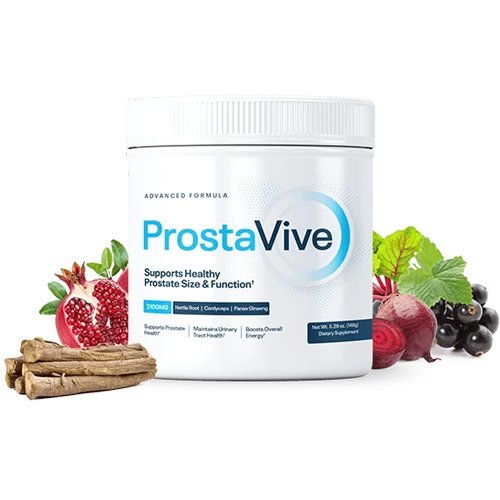
ProstaVive (also written Prosta Vive) is a once-daily drink powder sold through ClickBank for prostate health, urine flow, sleep and sex drive. This review checks its full label, with fenugreek, ashwagandha, tongkat ali, maca, nettle root, zinc and vitamin D3, against the research, and explains the prices and the 180-day refund. Men with urinary symptoms should see a doctor first.
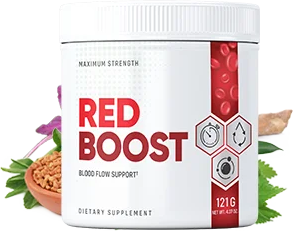
Red Boost is a once-a-day powder sold to men for firmer erections and blood flow, with L-citrulline, horny goat weed, maca, tongkat ali, nettle root and a fruit and beetroot blend. This review compares its label with the research and explains the prices and the 180-day refund.
Scientific Analysis of Stinging Nettle Root
Mechanism of Action: How Stinging Nettle Root Works
Several possible mechanisms have been proposed, based mostly on laboratory studies. How these laboratory findings apply to people is not yet clear. One proposed mechanism involves Sex Hormone-Binding Globulin (SHBG). SHBG is a glycoprotein that binds to free testosterone in the blood, rendering it biologically inactive. Bioactive compounds in the root, specifically 3,4-divanillyltetrahydrofuran, have a high affinity for SHBG. In theory this could leave more testosterone unbound, but in a 620-man trial testosterone levels did not change, and effects on muscle, energy or libido have not been shown.
Inhibition of 5-Alpha Reductase and Aromatase
Some lab studies suggest nettle root may also affect the enzyme 5-alpha reductase, but this has not been confirmed in people. This enzyme is responsible for the conversion of testosterone into dihydrotestosterone (DHT). While DHT is a necessary androgen, excessive levels are strongly linked to Benign Prostatic Hyperplasia (BPH) and androgenic alopecia (male pattern baldness). In lab studies, the root extract has also shown potential to inhibit aromatase, the enzyme that converts testosterone into estrogen. Whether these effects protect the prostate or influence body composition in people has not been shown.
Health Benefits and What the Research Shows
Management of Benign Prostatic Hyperplasia (BPH)
The main studied use of stinging nettle root is relief of urinary symptoms from an enlarged prostate. As men age, the prostate gland often grows, putting pressure on the urethra and leading to lower urinary tract symptoms (LUTS). Results are mixed: one large trial reported better urine flow and less urine left in the bladder, while a 12-month German trial found a small symptom benefit and no real difference in flow versus placebo. It is often combined with saw palmetto; one 24-week trial found this combination improved symptoms about as much as finasteride, with fewer reported side effects.
Anti-Inflammatory and Antioxidant Support
Stinging nettle root contains phenolic compounds and polysaccharides that have shown anti-inflammatory activity in lab studies. Lab research suggests nettle may reduce inflammatory signals such as TNF-alpha and interleukin-6. Whether this leads to benefits for the prostate or joints in people is not established. Claims that the root extract reduces the need for non-steroidal anti-inflammatory drugs (NSAIDs) in osteoarthritis are not supported by good-quality trials of the root.
Blood Sugar Regulation
Nettle has also been studied for blood sugar control, but this research is at an early stage. Most of it comes from animal studies, and human evidence for the root is too limited to draw conclusions. Proposed mechanisms, such as effects on insulin secretion, come from laboratory and animal research.
Scientific Research and Clinical Trials
The clinical evidence for stinging nettle root is limited and mixed. A 6-month double-blind, placebo-controlled trial of 620 men reported symptom improvement in 81% of those taking nettle root versus 16% on placebo, but a 12-month German trial of 246 men found a much smaller difference. That trial, published in the Journal of Herbal Pharmacotherapy, also reported a modest drop in prostate volume (40.1 to 36.3 cc) and no side effects, but its results need independent confirmation. Research also highlights the presence of Urtica dioica agglutinin (UDA), a unique lectin in the root that has shown anti-viral and immune-modulating properties in laboratory settings.
Potential Side Effects and Safety Considerations
Stinging nettle root is generally well tolerated, and reviews describe the risk of side effects as very low. However, some users may experience mild side effects, which include:
- Gastrointestinal distress, such as nausea or stomach cramping.
- Mild fluid retention or sweating.
- Occasional skin rashes in individuals with specific botanical allergies.
Because Stinging Nettle Root can influence hormone levels and has a mild diuretic effect, it is important to consult a healthcare professional if you are taking medications for blood pressure, diabetes, or blood thinners (like Warfarin). Additionally, pregnant or breastfeeding women should avoid this supplement as its effects on the developing fetus and hormonal milk production have not been sufficiently studied.
Recommended Dosage and Timing
For prostate symptoms, the EU herbal monograph lists about 300 mg to 720 mg of dry root extract per day, depending on the extract type. It is often recommended to split this into two doses, taken with meals to minimize the risk of digestive upset. Controlled trials have typically lasted 6 to 12 months, and benefits, where seen, were modest.
Frequently Asked Questions
It is generally recommended to take Stinging Nettle Root in two divided doses, once in the morning and once in the evening, preferably with meals to enhance absorption and prevent any potential stomach upset.
Nettle root is used and studied for prostate symptoms in men; evidence for PCOS or excess hair growth in women is very limited, so women should ask a doctor first.
Controlled trials have lasted about 6 to 12 months, and improvements were usually modest, so short-term results are uncertain.
There is no good human evidence that it raises testosterone; in a 620-man trial testosterone levels did not change, and the SHBG effect comes from lab studies.
⚖️ Conclusion
Stinging nettle root is an herbal ingredient with limited, mixed evidence for easing urinary symptoms of an enlarged prostate. Some controlled trials, especially of saw palmetto and nettle combinations, report modest symptom relief, but reviewers say the size of the effect still needs confirmation. Its effects on Sex Hormone-Binding Globulin (SHBG) and free testosterone come from lab studies and have not been shown to matter in people. Anti-inflammatory, joint and blood sugar benefits of the root are not established in human trials. It should not be relied on for hormonal health, longevity or male vitality. The EU herbal monograph lists about 300 to 720 milligrams of dry extract a day for prostate-related urinary symptoms, after a doctor has ruled out serious conditions. It is generally well tolerated, but anyone with urinary symptoms should see a doctor before trying it.