
Home » Ingredients » Ginkgo Biloba
Ginkgo Biloba Benefits: What the Research Shows
Ginkgo biloba is one of the world's oldest living tree species, and its leaf extract is widely taken in the hope of supporting memory and brain function. It is mainly used as a dietary supplement for circulation and brain health, although a large trial found it did not prevent dementia in older adults.
Last updated 7 October 2026
Ginkgo Biloba: the short answer
Ginkgo leaf extract has been studied mostly for memory and dementia. A 2026 Cochrane review found small, low-certainty benefits over six months in people who already have dementia, but a large trial showed it did not prevent dementia, and it has not helped memory in healthy people or tinnitus. It may raise bleeding risk with blood thinners.
| What it is | An extract made from the leaves of the Ginkgo biloba tree, an ancient species often called a 'living fossil'. Most research uses standardized leaf extracts such as EGb 761. Ginkgo seeds are a different product and are toxic when eaten fresh. |
|---|---|
| Most studied for | Memory and thinking in dementia and mild cognitive impairment, dementia prevention, memory in healthy people, tinnitus, leg pain from narrowed arteries (intermittent claudication), anxiety and eye conditions. |
| Amounts used in studies | Mostly 240 mg of standardized leaf extract a day (often 120 mg twice daily). Dementia trials lasted 22-26 weeks; the GEM prevention trial used 120 mg twice daily for a median of 6.1 years. Other trials used 60-480 mg a day. |
| Strength of evidence | Mixed: low-certainty evidence of small benefits in people with dementia, but no prevention of dementia in a 3,069-person trial and no clear benefit for healthy people, mild cognitive impairment or tinnitus. |
| Safety | Leaf extract is likely safe for most adults in moderate amounts; the most common side effects are dizziness, stomach upset and headache. It may increase bleeding risk in people taking anticoagulants such as warfarin. It may be unsafe in pregnancy, and fresh or roasted seeds are toxic (seed poisoning has caused seizures). |
| In products we review | iGenics, JointVive, NeuroPrime, Pineal Guardian X, Protoflow, Nitric Boost, Fluxactive Complete, VisiFlora |
Sources: NCCIH ginkgo fact sheet · 2026 Cochrane review, cognitive impairment · GEM dementia prevention trial · Meta-analysis in healthy people
Benefits of Ginkgo Biloba
What is Ginkgo Biloba?
Ginkgo biloba, often referred to as the maidenhair tree, is a botanical relic that has survived for over 200 million years. Native to China, it is considered a "living fossil" because it is the only surviving member of an ancient order of plants, the Ginkgoales. For centuries, its fan-shaped leaves have been harvested, dried, and processed into concentrated extracts used in traditional medicine systems across Asia. Unlike many other herbs, Ginkgo is unique because its modern application relies heavily on highly standardized extracts, most notably the EGb 761 formulation, which ensures a consistent concentration of active compounds.
A Rich History of Traditional Use
Historically, practitioners of Traditional Chinese Medicine (TCM) utilized both the seeds and leaves of the Ginkgo tree to treat respiratory issues, circulatory disorders, and cognitive fatigue. In the modern era, Ginkgo biloba extract (GBE) has moved from a folk remedy to one of the most researched and widely used herbal supplements. It is now mainly marketed for memory and brain health, although good-quality trials have not shown that it sharpens the mind in healthy people.
Top Rated Supplements with Ginkgo Biloba
Products we review that list Ginkgo Biloba as an ingredient. Not every product discloses how much of each ingredient a serving contains, so check each review before assuming it matches the amounts used in studies.
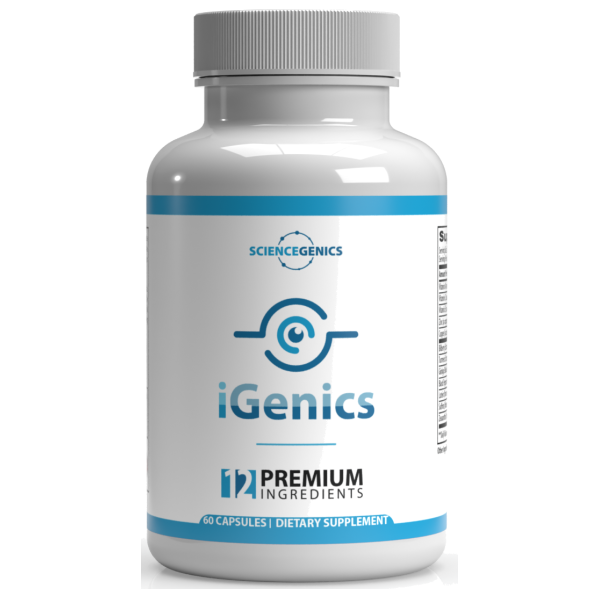
iGenics is a capsule from Science Genics sold for “healthier eyesight”. Its label lists 12 ingredients with full amounts, including vitamin C, zinc, copper, lutein, zeaxanthin, saffron, bilberry, turmeric and ginkgo. This review compares it with the AREDS2 eye vitamins that have real trial evidence, explains who those vitamins help, and covers the prices and the guarantee.
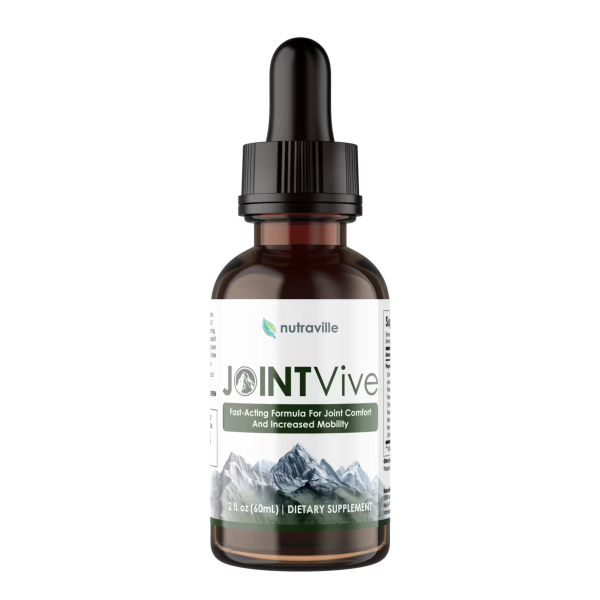
JointVive is a liquid supplement from Nutraville sold for joint comfort, flexibility and mobility, taken as “one drop per day” from a 60 ml dropper bottle. It names nine ingredients: pine bark extract, tamarind, chlorella, ginkgo biloba, spirulina, lion’s mane mushroom, bacopa, moringa and neem, with no amounts. This review covers what is known about each, why only two of them have any joint research, the real prices and how the 365-day refund works.
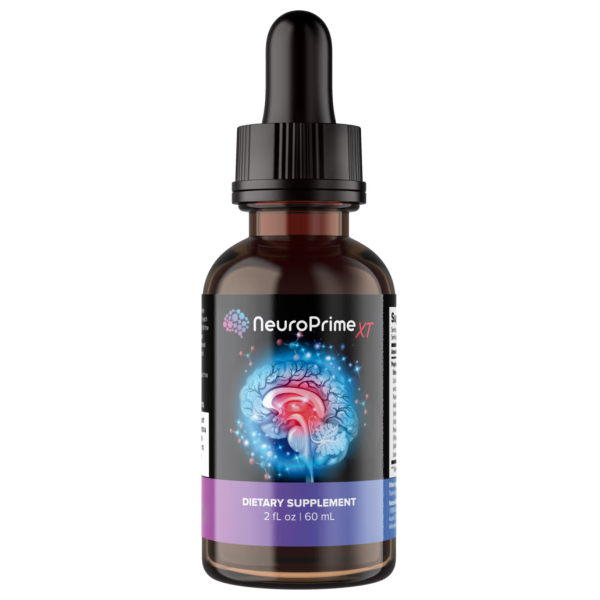
NeuroPrime is a liquid memory supplement in a 60 mL dropper bottle, with bacopa, lion’s mane, ginkgo, pine bark and five other ingredients. This review covers what is in it, why the dose is unclear, which ingredients have trials, the references we checked, and how its 365-day guarantee compares with its return policy.
Pineal Guardian X is a liquid memory supplement sold through ClickBank on a story that fluoride hardens the pineal gland and causes memory loss. Its nine ingredients are the same as NeuroPrime’s, from the same company. This review checks the claims, the prices and the refund rules.
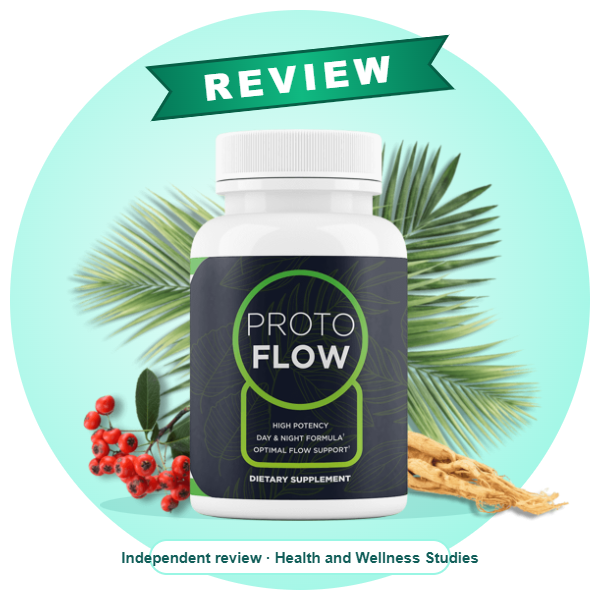
Protoflow is a prostate and urinary-flow capsule sold through ClickBank by PhytoThrive Labs, with 14 ingredients including saw palmetto, horny goat weed and niacin. This review checks the full label against the research and explains the prices and refund rules.
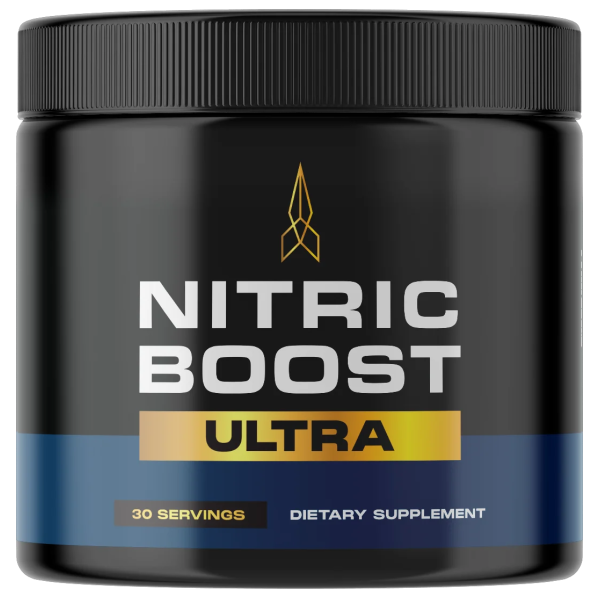
Nitric Boost (labelled Nitric Boost Ultra) is a once-a-day powder sold to men for firmer erections, with beetroot, L-arginine, L-citrulline and five other ingredients in a proprietary blend. This review covers what is in it, what trials show for arginine and citrulline in erectile dysfunction, who should not take it, the prices and the 60-day refund.
Fluxactive Complete is a capsule sold as a “14-in-1” prostate formula by Phytothrive Labs. It names saw palmetto, Chinese ginseng, vitamin E, tribulus, epimedium, damiana and eight other ingredients, but publishes no label or amounts. This review covers what the research shows for those ingredients, why the missing label matters, the real prices and the 60-day refund terms.
VisiFlora is a one-a-day capsule sold as a “22-in-1” vision formula that “starts in the gut”. Its page names ingredients such as lutein, zeaxanthin, astaxanthin, bilberry, saffron, zinc and beta-carotene, but publishes no label. This review covers what the research shows for those ingredients, why the missing label and the beta-carotene matter, the real prices and the 60-day refund.
Scientific Analysis of Ginkgo Biloba
Mechanism of Action: How Ginkgo Works
The therapeutic potential of Ginkgo biloba is primarily attributed to two main groups of active constituents: flavonoids (specifically ginkgo-flavone glycosides) and terpenoids (ginkgolides and bilobalide). These compounds work synergistically to provide a multi-faceted approach to health.
Antioxidant Activity
Ginkgo leaves contain flavonoids, which act as antioxidants in laboratory studies. These molecules neutralize free radicals—unstable atoms that can damage cells and contribute to aging and the progression of various diseases. In lab and animal studies, these compounds reduce oxidative damage to nerve cells, but this has not been shown to prevent cognitive decline in people.
Vasodilation and Blood Flow
Ginkgo is often said to improve blood circulation, although evidence that this leads to real health benefits is limited. One proposed mechanism is increased release of nitric oxide, a compound that relaxes and widens blood vessels. In theory, this could improve the delivery of oxygen and glucose to the brain, but this has not been shown to improve brain function in people. Ginkgo compounds also block platelet-activating factor (PAF), and a meta-analysis of 18 trials found that ginkgo extract lowered blood viscosity (thickness) without clearly changing standard clotting tests.
Health Benefits and What the Research Shows
Cognitive Enhancement and Memory
Ginkgo biloba is best known for its use as a "nootropic", or memory and focus aid. However, a 2012 meta-analysis of trials in healthy people found no measurable benefit for memory, executive function or attention. Lab studies suggest it may affect blood flow and energy production in brain cells, but this has not translated into proven benefits in healthy people. Claims that it speeds up information processing have not been confirmed by reviews of the evidence.
Support for Age-Related Cognitive Decline
Extensive clinical trials have investigated Ginkgo’s role in managing symptoms of dementia and Alzheimer’s disease. It is not a cure: a 2026 Cochrane review found low-certainty evidence of small to moderate benefits over six months in people with dementia, but probably little or no effect in mild cognitive impairment. Ginkgo extracts are widely used in countries such as Germany, France and China.
Reduction in Anxiety and Stress
A small amount of research suggests ginkgo may help with anxiety, but the overall evidence is not conclusive. In one 4-week trial of 107 people with generalized anxiety disorder (GAD) or a related anxiety condition, 240 mg or 480 mg a day of EGb 761 reduced anxiety scores more than placebo. How it might work is not known, and larger independent trials are needed.
Vision and Eye Health
Because of its possible effects on blood flow, Ginkgo biloba has also been studied for eye conditions. Small studies have tested it in glaucoma, but a 2025 systematic review of 8 studies found no clear effect on eye pressure or visual field results. For age-related macular degeneration (AMD), a Cochrane review found only two small 6-month trials (119 people), which hinted at some benefit to vision but could not show that it slows the disease.
Scientific Research and Clinical Evidence
The scientific community has scrutinized Ginkgo biloba more than almost any other herbal supplement. A 2015 meta-analysis in the Journal of Alzheimer's Disease (9 trials, 2,561 patients) concluded that 240 mg a day of the EGb 761 extract may stabilize or slow decline in thinking and daily activities over 22-26 weeks in people with cognitive impairment or dementia. In people without dementia the results are disappointing: a meta-analysis found no benefit for memory, attention or executive function in healthy people, and the GEM trial of 3,069 older adults found that 120 mg twice daily for a median of 6.1 years did not slow cognitive decline or prevent dementia.
Potential Side Effects and Safety Precautions
Ginkgo biloba is generally considered safe for most healthy adults when taken at recommended dosages. However, there are some important considerations:
- Mild Side Effects: The most commonly reported side effects are dizziness, stomach upset and headache.
- Blood Thinning: Ginkgo may affect bleeding, although a meta-analysis of 18 trials did not find clear changes in standard clotting tests. It may increase the risk of bleeding in people taking blood thinners such as warfarin, so do not combine them, or other medicines that affect bleeding, without medical advice.
- Surgery: Tell your surgeon or dentist that you take ginkgo before any procedure, as they may advise stopping it beforehand.
- Seizure Risk: Ginkgo seeds contain ginkgotoxin, which can induce seizures. Fresh or roasted seeds are toxic and leaf extracts are a different product, but people with a history of epilepsy should still talk to a doctor before using ginkgo.
Frequently Asked Questions
Most trials used 240 mg of standardized leaf extract a day, often as 120 mg twice daily; others used from 60 mg to 480 mg a day. There is no official recommended dose.
Consistency is key. Dementia trials usually measured effects after about 22 to 26 weeks of daily use, and benefits for focus in healthy people have not been shown.
It is sometimes combined with Panax ginseng or Bacopa monnieri, but there is little evidence that such combinations work better. However, avoid combining it with other natural blood thinners like high-dose Vitamin E or garlic extract without professional advice.
There is no clear evidence that food improves absorption; some people take it with meals because stomach upset is a common side effect.
⚖️ Conclusion
Ginkgo biloba is one of the most studied herbal supplements, with a long history of traditional use. Lab research suggests antioxidant and blood-flow effects, but these have not translated into clear health benefits in most human trials. It has not been shown to protect long-term brain health, and a Cochrane review found no clinically significant benefit for leg pain caused by narrowed arteries. The large GEM trial found it did not prevent dementia, and trials in healthy adults have not shown benefits for focus or memory; people who already have dementia may see small benefits. However, safety is paramount. Because it may raise bleeding risk, it is essential to consult a healthcare professional before use, especially for those on anticoagulant therapy, and it may be unsafe during pregnancy. Overall, ginkgo is not a proven way to boost brain performance or heart health. Anyone who still wants to try it should choose a standardized leaf extract like those used in trials, which is likely safe for most adults in moderate amounts.