
Home » Ingredients » Cascara Sagrada
Cascara Sagrada: What It Does, How Long to Use It, and the Risks
Cascara sagrada is the dried bark of a North American buckthorn tree, used as a stimulant laxative. It is sold in dietary supplements, including gut-health powders, but it is meant only for short-term relief of occasional constipation.
Last updated 31 October 2026
Cascara Sagrada: the short answer
Cascara sagrada is a stimulant laxative: compounds in the bark make the bowel contract, usually producing a bowel movement within 6 to 12 hours. Europe’s medicines agency accepts it only for short-term relief of occasional constipation, for no more than a week, and the FDA removed it from over-the-counter laxatives in 2002 because no safety data were submitted. Longer use can cause cramps, diarrhea and potassium loss, and rare liver injury has been reported.
| What it is | The dried, aged bark of Frangula purshiana (cascara buckthorn): a stimulant laxative of the anthraquinone type, like senna and aloe latex. |
|---|---|
| Most studied for | Short-term relief of occasional constipation, accepted in Europe on long-standing use rather than modern trials. |
| Amounts used | European Medicines Agency monograph: the smallest dose that gives a soft stool, at most 30 mg of hydroxyanthracene glycosides a day, for no more than one week; two or three doses a week are often enough. |
| Strength of evidence | Low: no controlled trials of cascara alone; its laxative effect is known from long use and from the drug class. |
| Safety | Cramps and diarrhea; with longer use, fluid and potassium loss; rare liver injury reported. Not for pregnancy, breastfeeding, children under 12, bowel obstruction or inflammatory bowel disease. Check with a doctor if you take digoxin, diuretics or steroids. |
| In products we review | Finessa, BellyFlush |
Sources: FDA final rule, 9 May 2002 (aloe and cascara in OTC laxatives) · European Medicines Agency: Rhamni purshianae cortex · LiverTox (NIH): Cascara · Memorial Sloan Kettering: Cascara
Benefits of Cascara Sagrada
What is cascara sagrada?
Cascara sagrada, Spanish for “sacred bark”, is the bark of Frangula purshiana (formerly Rhamnus purshiana), a buckthorn tree native to the Pacific Northwest of North America. The bark is dried and aged before use, because fresh bark causes vomiting and severe cramps. It has been used as a laxative for well over a century.
How it works
The bark contains anthraquinone glycosides called cascarosides. They pass through the stomach and small intestine unchanged; in the colon, gut bacteria turn them into active compounds that make the bowel wall contract and draw water and salts into the bowel. A bowel movement usually follows within 6 to 12 hours. Senna and aloe latex are stimulant laxatives of the same type.
Where you find it now
In 2002 the FDA ruled that cascara sagrada could no longer be sold in over-the-counter laxative medicines in the US, because manufacturers had not sent the safety and effectiveness data it asked for. The rule covered drugs only, so cascara is still sold in dietary supplements, including “gut health” and “detox” powders and teas, often without the amount on the label.
Top Rated Supplements with Cascara Sagrada
Products we review that list Cascara Sagrada as an ingredient. Not every product discloses how much of each ingredient a serving contains, so check each review before assuming it matches the amounts used in studies.
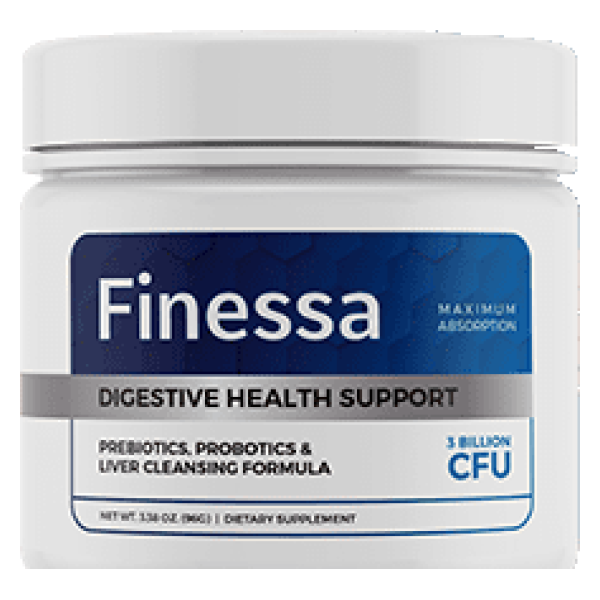
Finessa is a powdered digestive supplement sold for constipation, bloating and a “flatter belly”. One scoop combines fruit and vegetable powders, liver herbs such as dandelion and milk thistle, probiotics and cascara sagrada, a stimulant laxative. This review covers what the label shows, what the research supports, why the laxative matters, side effects, the real prices and how the 180-day refund works.

BellyFlush is a capsule from Simple Promise sold to flush out “stuck poop”, flatten the belly and help you lose weight. This review covers its label, which includes three stimulant laxatives, what the research says about laxatives, cleansing and weight, better-tested ways to treat constipation, the real prices and the 365-day refund.
Scientific Analysis of Cascara Sagrada
What the research shows
There are no modern controlled trials of cascara sagrada on its own. The European Medicines Agency accepts it for short-term relief of occasional constipation on the basis of long-standing use, not trials. Stimulant laxatives as a group do relieve constipation in the short term, but nothing shows that cascara helps weight loss, “detoxes” the body or relieves bloating over the longer term. Any weight it takes off is water and stool, not fat.
Side effects
The most common are cramps, loose stools and diarrhea. With longer or heavier use, the bowel loses fluid and potassium, which can be dangerous for people taking digoxin, diuretics or steroids. Long use can also leave a harmless dark discoloration of the bowel lining (pseudomelanosis coli), and urine can turn reddish or brown. Rare cases of liver injury have been reported, which recovered after people stopped taking it.
Who should avoid it
- Pregnant or breastfeeding women, and children under 12.
- Anyone with a bowel obstruction, Crohn’s disease, ulcerative colitis, appendicitis or unexplained belly pain.
- People who are dehydrated or have low potassium.
- Anyone taking digoxin, heart-rhythm medicines, diuretics or steroids should ask a doctor first.
How long it is safe to use
The European Medicines Agency says to use the smallest dose that gives a soft stool, for no more than one week, and that two or three doses a week are often enough. It warns that long-term use can make the bowel depend on laxatives. Constipation that lasts more than a week, or comes with blood, weight loss or severe pain, needs a doctor rather than more laxative.
Better-tested options for constipation
For ongoing constipation, fiber and fluids come first. In trials, two green kiwifruit a day, about 100 g of prunes or 12 g of psyllium a day increased bowel movements over four weeks, and osmotic laxatives such as macrogol (PEG) are a standard choice for longer use. Our constipation guide covers the food and fiber options and the supplements sold for constipation.
Products we review that contain it
Finessa, a gut-health powder, contains cascara sagrada bark extract but does not disclose the amount, while the seller suggests taking it for three to six months. BellyFlush combines cascara with cape aloe, another stimulant laxative.
Frequently Asked Questions
Short-term relief of occasional constipation. It is a stimulant laxative made from the dried bark of a North American buckthorn tree, and it is also added to some gut-health and detox supplements.
Usually 6 to 12 hours, because its compounds have to reach the colon and be activated by gut bacteria first. That is why it is often taken in the evening.
No. The European Medicines Agency says to use it for no more than one week, and that long-term use can make the bowel depend on laxatives. Daily use for months, as some supplement sellers suggest, is not recommended.
Cramps, loose stools and diarrhea are the most common. Longer use can cause fluid and potassium loss, a harmless dark discoloration of the bowel lining and reddish urine, and rare cases of liver injury have been reported.
It did not ban it outright. In 2002 the FDA ruled that cascara could no longer be sold in over-the-counter laxative medicines, because manufacturers had not sent the safety and effectiveness data it requested. It can still be sold in dietary supplements, which are regulated differently.
No. A laxative only removes water and stool, not fat, and using it for weight loss risks dehydration and potassium loss.
Among the products we review, Finessa contains cascara sagrada bark extract without saying how much, and BellyFlush combines it with cape aloe. Check the label of any gut-health or detox product for cascara, senna or aloe.
⚖️ Conclusion
Cascara sagrada is an old, effective stimulant laxative for occasional constipation, but it is meant for a few days, not months. The FDA removed it from over-the-counter laxatives in 2002 for lack of safety data, and Europe limits it to one week of use. Longer use brings cramps, diarrhea, potassium loss and rare liver injury, and it does nothing for fat loss. If you need a laxative more than occasionally, fiber, kiwifruit, prunes or an osmotic laxative are better tested, and constipation lasting more than a week deserves a doctor’s check.