
Home » Ingredients » Licorice Root
Licorice Root Benefits and Risks: What the Research Shows
Licorice root, derived from the Glycyrrhiza glabra plant, has been used for centuries in traditional medicine for a range of complaints. It is often promoted for digestive, throat and skin uses, but NCCIH says there isn't enough high-quality evidence to clearly support it for any health condition.
Last updated 6 October 2026
Licorice Root: the short answer
Licorice root has limited human evidence. Small trials suggest licorice rinses may ease canker sores, gargles may reduce sore throat after surgery, and one extract eased indigestion over 30 days, but NCCIH says high-quality evidence is lacking. Its glycyrrhizin can raise blood pressure and lower potassium, so the risks are better documented than the benefits.
| What it is | The root of Glycyrrhiza glabra, used as a food flavoring and in traditional medicine. It contains glycyrrhizin, which is removed in deglycyrrhizinated licorice (DGL). |
|---|---|
| Most studied for | Indigestion (functional dyspepsia), as an add-on to H. pylori treatment, canker sores, sore throat after surgery, and topical gels for eczema. |
| Amounts used in studies | A licorice extract (GutGard) at 75 mg twice daily for 30 days for indigestion; licorice added to 2 weeks of standard triple therapy for H. pylori. In blood pressure studies, 50-200 g of licorice daily for 2-4 weeks raised blood pressure. |
| Strength of evidence | Limited. A few small trials show benefits, but NCCIH says there isn't enough high-quality evidence to clearly support any use. |
| Safety | Glycyrrhizin can raise blood pressure, lower potassium and cause irregular heartbeat; in studies giving at least 100 mg glycyrrhizic acid daily, systolic pressure rose by about 5.5 mmHg. EU scientists judged up to 100 mg a day of no concern for most people. Avoid large amounts in pregnancy and with high blood pressure, heart or kidney disease; interacts with corticosteroids. DGL might be safe for up to 4 months. |
| In products we review | GlucoTrust, Finessa, BellyFlush, NeuroZoom, Neuro Serge |
Sources: NCCIH licorice root · Blood pressure meta-analysis 2017 · BfR liquorice opinion 2023 · Functional dyspepsia RCT 2012
Benefits of Licorice Root
What is Licorice Root?
Licorice root (Glycyrrhiza glabra) is one of the world's oldest herbal remedies. Native to Western Asia and Southern Europe, it has been utilized for millennia in Traditional Chinese Medicine, Ayurveda, and ancient Egyptian practices. While many associate the name with the distinctively flavored black candy, the medicinal root offers a complex profile of bioactive compounds that go far beyond confectionery use.
A Rich Historical Legacy
Historical records show that ancient Greeks used licorice to treat asthma and dry coughs, while the Egyptians crafted a sweet beverage called 'mai sus' from the root. In the Chinese pharmacopeia, it is often referred to as the 'Great Harmonizer' because it was believed to enhance the effects of other herbs in a formula while reducing their toxicity. Today, scientists have identified many compounds in the root, but most traditional claims have not been confirmed in well-designed human trials.
Top Rated Supplements with Licorice Root
Products we review that list Licorice Root as an ingredient. Not every product discloses how much of each ingredient a serving contains, so check each review before assuming it matches the amounts used in studies.
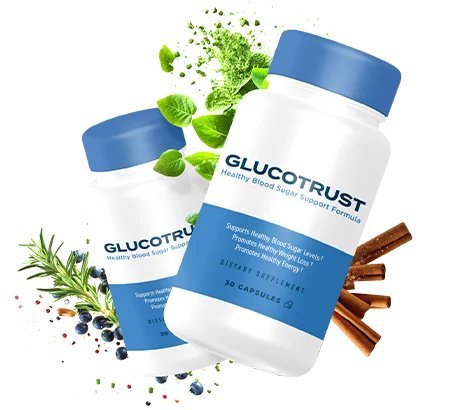
GlucoTrust is a dietary supplement marketed to support healthy blood sugar levels and sleep quality, using a blend of herbs, a vitamin and minerals. It is aimed at people who want to add a supplement to diet and exercise, and its marketing links sleep to blood sugar, although none of its listed ingredients has been studied as a sleep aid. While not a replacement for medical treatment, it offers a lifestyle-oriented approach to wellness.
Finessa is a powdered digestive supplement sold for constipation, bloating and a “flatter belly”. One scoop combines fruit and vegetable powders, liver herbs such as dandelion and milk thistle, probiotics and cascara sagrada, a stimulant laxative. This review covers what the label shows, what the research supports, why the laxative matters, side effects, the real prices and how the 180-day refund works.

BellyFlush is a capsule from Simple Promise sold to flush out “stuck poop”, flatten the belly and help you lose weight. This review covers its label, which includes three stimulant laxatives, what the research says about laxatives, cleansing and weight, better-tested ways to treat constipation, the real prices and the 365-day refund.

NeuroZoom is a dietary supplement that the vendor markets for memory, focus and mental clarity. The vendor calls it a 35-in-1 formula of vitamins, minerals, plant extracts and other compounds, but does not publish the amount of each. It is primarily intended for individuals looking to maintain their cognitive edge as they age or those facing high-pressure mental environments. Only a few of its ingredients, such as bacopa, have trial evidence for memory, and the formula itself has not been tested in a published trial.

Neuro Serge is a capsule sold as brain support, described as “a unique blend of 20+ ingredients and nutrients”. The sales page names only six: olive leaf, cassia cinnamon, deglycyrrhizinated licorice, green tea extract, grape seed extract and bilberry extract, in a proprietary blend with no amounts. This review covers what is known about those six, what the page leaves out, the real prices and the conditions on its 180-day refund.
Scientific Analysis of Licorice Root
The Mechanism of Action: How Licorice Root Works
Licorice root's effects are attributed to its phytochemicals, most notably glycyrrhizin, flavonoids, and coumarins. Glycyrrhizin, the most prominent active compound, is a saponin that gives the root its characteristic strong sweet taste. When ingested, glycyrrhizin is metabolized into glycyrrhetinic acid, which interacts with the body's inflammatory pathways and hormonal systems.
Anti-Inflammatory and Antioxidant Properties
In laboratory studies, licorice compounds reduce inflammatory signals such as cytokines and COX-2; whether this matters in people is not established. Its flavonoids, including liquiritigenin and isoliquiritigenin, act as antioxidants in lab tests, but protection against aging or chronic disease has not been shown in people. Licorice is traditionally used as a soothing (demulcent) herb for the stomach and throat.
Health Benefits and What the Research Shows
Gastrointestinal Health and Acid Reflux
Digestive complaints are among the most studied uses of licorice root, though NCCIH says the effect of licorice alone on digestive symptoms is unclear. A small 30-day trial found a licorice extract eased indigestion (functional dyspepsia) symptoms, but evidence for GERD (gastroesophageal reflux disease) and peptic ulcers is limited. Licorice is thought to support the stomach's protective mucus layer, based mainly on laboratory research. For those concerned about glycyrrhizin, Deglycyrrhizinated Licorice (DGL) has the glycyrrhizin removed and might be safe for up to 4 months, though its digestive benefits are not well proven.
Respiratory Support
Licorice root has long been used as an expectorant to help clear mucus from the lungs and soothe sore throats. Effects on phlegm and coughing have not been confirmed in good human trials, although licorice gargles or lozenges before surgery may reduce sore throat after a breathing tube is used. Antiviral effects have been seen mainly in lab studies, and NCCIH says there is no good evidence for using licorice against COVID-19.
Skin Conditions and Dermatology
Preliminary studies suggest topical licorice gels might help eczema (atopic dermatitis) symptoms, but more research is needed, and benefits for acne are not established. Some licorice compounds affect melanin production in lab studies, which is why licorice extract appears in skin-lightening cosmetics, but strong human evidence is lacking.
Adrenal Support and Stress Management
Licorice root is often classified as an adaptogen in herbal medicine. Glycyrrhetinic acid blocks an enzyme (11-beta-HSD2) involved in handling cortisol, the body's main stress hormone, and this is thought to cause licorice's blood pressure and potassium side effects. There is no good human evidence that licorice helps stress, low energy or so-called adrenal fatigue.
Scientific Research and Clinical Studies
Human studies of licorice are mostly small, and NCCIH says high-quality evidence is lacking. A double-blind, placebo-controlled study published in 'Evidence-Based Complementary and Alternative Medicine' found that patients with functional dyspepsia experienced significant symptom relief after taking a standardized licorice extract for 30 days. In a two-week trial of 120 patients, adding licorice to standard triple therapy raised H. pylori eradication rates (83.3% vs 62.5%), a finding that needs confirmation in larger trials.
Potential Side Effects and Safety Precautions
Licorice root must be used with caution. The glycyrrhizin in whole licorice can lead to a condition called pseudohyperaldosteronism; in one study, 50 g of licorice a day for 2 weeks raised blood pressure. This can cause potassium depletion (hypokalemia), high blood pressure, and edema (water retention). To reduce these risks, DGL is often used instead; NCCIH says it might be safe for up to 4 months. Pregnant women and people with kidney disease, heart disease, or high blood pressure should avoid licorice products containing glycyrrhizin unless a doctor advises otherwise, since even small amounts have been linked to serious effects in these groups.
Frequently Asked Questions
DGL stands for Deglycyrrhizinated Licorice. It is a form of licorice with the glycyrrhizin removed to avoid side effects like high blood pressure and potassium loss; NCCIH says it might be safe for up to 4 months.
DGL might be safe for daily use for up to 4 months, according to NCCIH; longer use has not been well studied. Licorice containing glycyrrhizin should not be used regularly without medical advice: 50 g of licorice a day for 2 weeks raised blood pressure in one study, and EU scientists judged up to 100 mg of glycyrrhizic acid a day to be of no concern for most people.
Yes. NCCIH notes interactions with corticosteroids, and because glycyrrhizin can raise blood pressure and lower potassium, it may also affect blood pressure medicines and diuretics. Always consult with a healthcare provider if you are taking prescription medication.
Licorice root is not recommended during pregnancy; NCCIH says eating about 250 grams of licorice a week while pregnant is unsafe and can increase the risk of delivery before 38 weeks.
⚖️ Conclusion
Licorice root (Glycyrrhiza glabra) is a widely used botanical ingredient with a long traditional history. Modern human data are limited: a few small trials suggest benefits for indigestion, canker sores and sore throat after surgery, but none are conclusive. Its main compound, glycyrrhizin, shows anti-inflammatory and antiviral activity mainly in lab studies, and it can raise blood pressure and lower potassium in people. Deglycyrrhizinated licorice (DGL) avoids glycyrrhizin and might be safe for up to 4 months, but its long-term safety and benefits are not well studied. Claims about metabolic health and hormonal balance have not been confirmed in good human trials. If you use licorice root, do so under professional guidance and for limited periods. However, individuals with hypertension or kidney issues must exercise caution. Overall, evidence for licorice root's benefits is limited, while the risks of glycyrrhizin are well documented.