
Home » Ingredients » Grape Seed
Grape Seed Extract: What the Research Shows
Grape seed extract is a concentrated dietary supplement derived from the seeds of red grapes, prized for its high concentration of proanthocyanidins. It is used mainly for blood pressure and circulation, where human trials show small effects, and is also marketed for skin and antioxidant support.
Last updated 7 October 2026
Grape Seed: the short answer
Grape seed extract has the most human research for blood pressure: meta-analyses show small reductions, mainly in diastolic pressure (about 2 mmHg), with modest effects on some cholesterol and oxidative stress markers. Results vary between studies, and evidence for skin, brain, joint or vein benefits is weak.
| What it is | An extract made from the seeds of wine grapes (Vitis vinifera), rich in proanthocyanidins (OPCs) and sold as a dietary supplement. |
|---|---|
| Most studied for | Blood pressure, heart rate, blood cholesterol and oxidative stress markers; much less research on chronic venous insufficiency, blood sugar, skin and memory. |
| Amounts used in studies | 100 to 2,000 mg a day for 2 to 16 weeks in blood pressure trials; a cognition trial used 400 mg a day for 12 weeks. |
| Strength of evidence | Mixed - meta-analyses show small blood pressure reductions (about 2 mmHg diastolic) that vary between studies; evidence for other uses is limited. |
| Safety | Generally well tolerated; tested safely for up to 11 months in human studies. Possibly unsafe with bleeding disorders, before surgery, or with blood thinners such as warfarin or aspirin. Little is known about use in pregnancy or breastfeeding. Avoid if allergic to grapes, and tell your doctor about any medicines you take. |
| In products we review | VenoPlus 8, Audifort, ZenCortex, Keravita Pro, Neuro Serge, BioDentex, VisiFlora |
Sources: NCCIH grape seed fact sheet · NCCIH fact sheet, 2021 version · Blood pressure meta-analysis, Medicine 2016 · Cochrane review: phlebotonics for CVI
Benefits of Grape Seed
What is Grape Seed Extract?
Grape seed extract (GSE) is a supplement made by removing, drying, and grinding the bitter seeds of grapes, mainly wine grapes (Vitis vinifera). While grapes have been cultivated for thousands of years for their fruit and juice, the seeds were often discarded as a byproduct of the winemaking process. However, these seeds contain many plant compounds, most notably a class of polyphenols known as oligomeric proanthocyanidin complexes (OPCs).
The History and Evolution of GSE
The use of grape-derived products for health dates back to ancient Greece and Rome, where various parts of the vine were used to treat inflammation and skin conditions. The formal discovery of GSE's primary active ingredients occurred in the mid-20th century when researchers began isolating flavonoids from the skins and seeds of various plants. In the 1970s, Jacques Masquelier, a French professor, patented a method for extracting OPCs from grape seeds, marking the beginning of GSE as a standardized dietary supplement. Today it is a commonly studied botanical extract, although human evidence is limited mainly to cholesterol and blood pressure.
Top Rated Supplements with Grape Seed
Products we review that list Grape Seed as an ingredient. Not every product discloses how much of each ingredient a serving contains, so check each review before assuming it matches the amounts used in studies.

VenoPlus 8 is a green apple-flavored drink powder from Simple Promise, sold for circulation, blood pressure and cholesterol. One scoop contains vitamin K2 (MenaQ7), beetroot, pomegranate and grape seed extracts, hesperidin, vitamin C, magnesium and inulin fiber, all with amounts on the label. This review compares those doses with the trials, checks the “heart attack risk by half” claim and the warfarin warning the seller leaves out, and covers the prices and the 365-day refund.
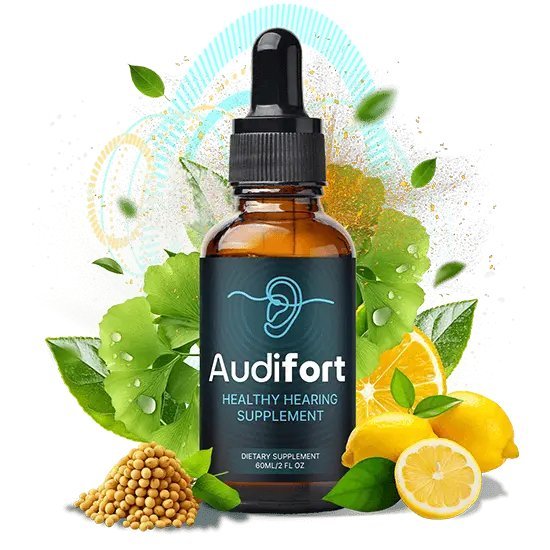
Audifort is a liquid dietary supplement marketed for hearing support and ringing in the ears, made from a blend of plant extracts, amino acids and a trace of chromium. This review looks at what is actually in the formula, what the evidence supports, what a realistic trial costs, and when hearing symptoms warrant an audiologist rather than a supplement.
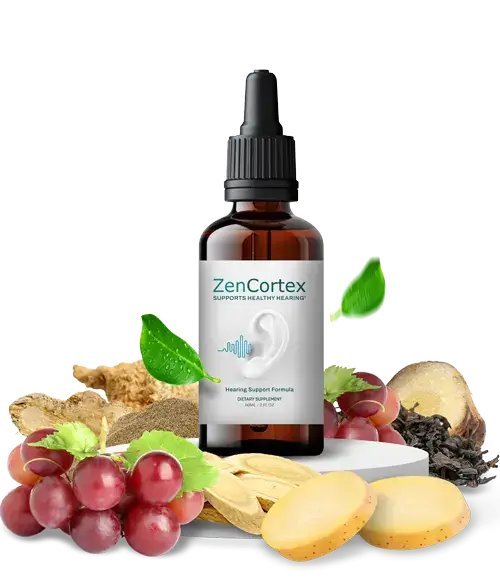
ZenCortex is a liquid supplement marketed for hearing support, memory and mental sharpness. This liquid supplement is designed for individuals who are tired of the constant ringing, buzzing, or muffled sounds that often accompany aging or environmental exposure. In this review we look at the evidence behind the formula, which the vendor says contains over 20 ingredients, mostly plant extracts plus amino acids. ZenCortex comes as liquid drops rather than pills; there is no published evidence that this format is absorbed better. Whether you are looking to sharpen your mental focus or protect your delicate auditory system from oxidative stress, ZenCortex claims to provide the 360-degree support you need.
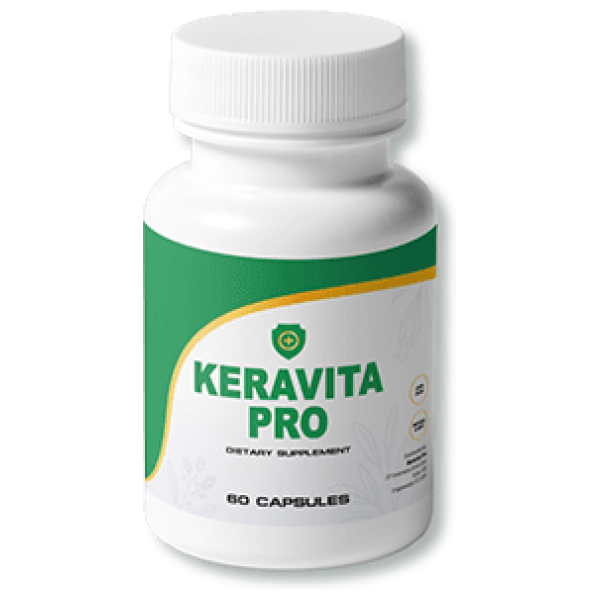
Keravita Pro is a capsule sold online for toenail fungus and healthy nails and hair. This review covers its full label, which turns out to be a general “immune” blend of about 20 herbs, whether any capsule can clear nail fungus, a safety caution about graviola, the sales claims, the prices and the 60-day refund.

Neuro Serge is a capsule sold as brain support, described as “a unique blend of 20+ ingredients and nutrients”. The sales page names only six: olive leaf, cassia cinnamon, deglycyrrhizinated licorice, green tea extract, grape seed extract and bilberry extract, in a proprietary blend with no amounts. This review covers what is known about those six, what the page leaves out, the real prices and the conditions on its 180-day refund.
BioDentex is a capsule sold for healthier teeth and gums. This review covers the six ingredients it names, why the xylitol research does not apply to a swallowed capsule, the claims in its affiliate emails, the real prices and the conditions on its 90-day refund.
VisiFlora is a one-a-day capsule sold as a “22-in-1” vision formula that “starts in the gut”. Its page names ingredients such as lutein, zeaxanthin, astaxanthin, bilberry, saffron, zinc and beta-carotene, but publishes no label. This review covers what the research shows for those ingredients, why the missing label and the beta-carotene matter, the real prices and the 60-day refund.
Scientific Analysis of Grape Seed
The Deep Science of Grape Seed Extract
Interest in grape seed extract comes mainly from its chemical composition. GSE contains several flavonoids, but it is valued mainly for its high concentration of OPCs. These compounds are a type of condensed tannin with strong antioxidant activity in lab tests, though test-tube comparisons with vitamins C and E do not show effects in the body. How much of these polyphenols is absorbed, and what they do in the body, is still being studied.
Mechanism of Action: How It Works
Grape seed extract works through several complex biological mechanisms. The main proposed mechanism is antioxidant activity. In lab studies, it neutralizes reactive oxygen species (ROS) and free radicals that can damage DNA and cell membranes. A 2021 meta-analysis found it lowered some blood markers of oxidative stress, but it has not been shown to slow ageing. Lab studies suggest GSE may affect nitric oxide production in blood vessel linings, but a 2022 meta-analysis found no clear effect on blood vessel function in people. Nitric oxide is a critical signaling molecule that helps blood vessels relax and dilate, which is essential for maintaining healthy blood pressure and efficient circulation. Lab studies also report that GSE inhibits enzymes such as collagenase and elastase, which break down skin and connective tissue proteins; this has not been shown to firm skin in people.
Cardiovascular Health and Blood Pressure
Blood pressure is the most studied use of grape seed extract. Meta-analyses suggest small effects: a 2022 review of 19 trials found diastolic pressure fell by about 2 mmHg while systolic pressure did not change significantly, with larger effects reported in people with metabolic syndrome. GSE lowered oxidized LDL (the "bad") cholesterol in a 2021 meta-analysis, but it has not been shown to prevent plaque buildup in the arteries. A 2016 meta-analysis in the journal 'Medicine' (16 trials, 810 people) found modest blood pressure reductions, and a 2022 review found heart rate fell by about 1 beat per minute; it is not a substitute for blood pressure medicine. GSE is also used for chronic venous insufficiency, where blood pools in the legs, causing swelling and discomfort, but a 2020 Cochrane review found only one grape seed trial, so the evidence is weak. Its proposed effects on capillaries and vein tone have not been well confirmed in people.
Skin Health and UV Protection
Evidence for skin benefits is much weaker. Because OPCs protect collagen and elastin in lab studies, GSE is often included in anti-ageing products. Whether it reduces fine lines and wrinkles in people has not been well established. Moreover, some studies suggest that GSE may offer a level of internal protection against the damaging effects of ultraviolet (UV) radiation. It should never replace topical sunscreen, and protection against sun damage has not been well established in people. Experimental studies suggest grape seed extract applied to the skin may help wound healing, but there is not enough research in people to know.
Neuroprotection and Cognitive Function
Some animal research suggests grape seed polyphenols may reach the brain, but protection of the nervous system has not been shown in people. Oxidative stress and inflammation are major contributors to neurodegenerative diseases like Alzheimer’s and Parkinson’s. Animal studies suggest GSE may reduce amyloid-beta plaques, a hallmark of Alzheimer's disease, but this has not been shown in human trials. In a trial published in 2022, 400 mg a day for 12 weeks did not consistently improve cognitive function in 60 healthy young adults, and benefits for memory with ageing are unproven.
Metabolic Support and Inflammation
GSE has also been studied for metabolic health. A 2020 meta-analysis found a small drop in fasting blood sugar but no change in HbA1c, so effects on diabetes risk are unclear. Results for inflammation markers such as C-reactive protein (CRP) are mixed: some meta-analyses report small reductions and others no clear effect. Benefits for osteoarthritis pain, stiffness or cartilage have not been established in human trials.
Potential Side Effects and Safety Profile
Grape seed extract is generally well tolerated in moderate amounts and has been tested safely for up to 11 months in human studies; trial doses ranged from 100 to 2,000 mg a day. However, it may be unsafe for people with bleeding disorders, those having surgery, or those taking blood thinners such as warfarin or aspirin, so check with a healthcare provider first. Common side effects are rare but may include headache, itchy scalp, dizziness, or nausea. Those with an allergy to grapes should avoid this supplement entirely. As with any concentrated extract, it is sensible to start with a lower dose to see how you tolerate it.
Summary of Research Findings
Overall, human research suggests small benefits for blood pressure and some blood markers, while effects on skin and the brain are not established. Even for blood pressure, results differ between studies, and larger long-term trials are needed. Products vary in composition, so check the label for the amount of extract and its standardized polyphenol content.
Frequently Asked Questions
Clinical trials have used 100 mg to 2,000 mg per day, usually for 2 to 16 weeks. No dose has been established for antioxidant, heart or skin benefits, so follow the label and ask your doctor.
Caution is advised. Grape seed extract may be unsafe for people taking blood thinners such as warfarin or aspirin, and similar caution applies to other antiplatelet drugs such as clopidogrel. Always consult your doctor first.
GSE can be taken with or without food. There is little research on whether food changes its absorption; taking it with food may suit people with sensitive stomachs.
Blood pressure trials lasted 2 to 16 weeks, and effects appeared larger in trials of 8 weeks or more; skin benefits have not been established.
No, pure grape seed extract is naturally caffeine-free. It is not a stimulant and has not been shown to boost energy.
⚖️ Conclusion
Grape seed extract is a concentrated source of proanthocyanidins that has lowered some markers of oxidative stress in small trials. Its best-supported effect is a small reduction in blood pressure, mainly diastolic, though results vary between studies. Claims for skin and joint benefits rely mostly on lab and animal research. It is generally well tolerated, but people with bleeding disorders or taking blood thinners should check with a doctor first. Evidence for reducing inflammation is mixed, and benefits for brain health have not been shown in people. If you try it, choose a product that states its standardized polyphenol content and discuss it with your doctor, especially if you take other medicines. Overall, grape seed extract may offer modest blood pressure benefits, but it is not a proven treatment for any condition.