
Home » Common Issues » High Blood Pressure
Best Supplements for High Blood Pressure: What the Evidence Supports
Which supplements lower blood pressure, by how much and at what doses, how they compare with diet and exercise, and why none should replace your medication.
Understanding High Blood Pressure
High blood pressure rarely causes symptoms, but it is one of the biggest causes of strokes, heart attacks, heart failure and kidney disease, and nearly half of US adults have it. This guide looks at the supplements most often sold for it, how much each lowered blood pressure in trials and at what dose, and how that compares with the changes that work best. The short version: a few supplements have small, real effects, and none of them replaces medication.
What counts as high blood pressure
Under the 2017 US guideline, blood pressure is normal below 120/80 mmHg and “elevated” at 120–129 systolic with diastolic below 80. Stage 1 high blood pressure is 130–139 systolic or 80–89 diastolic, and stage 2 is 140/90 or higher. A single reading can mislead, so it is diagnosed from repeated readings, ideally including some taken at home.
Supplements are an add-on, not a treatment
If you have been prescribed blood pressure medicine, keep taking it. Stopping or cutting back because of a supplement can let your blood pressure climb without you noticing. Several supplements also add to the effect of blood pressure medicines, and some interact with blood thinners, so tell your doctor or pharmacist before you start one, and keep checking your readings.
What lowers blood pressure the most
For people with high blood pressure, the 2017 US guideline expects roughly these drops in systolic pressure:
- The DASH eating plan (vegetables, fruit, whole grains, low-fat dairy, less saturated fat): about 11 mmHg.
- Regular aerobic exercise, such as brisk walking most days: about 5–8 mmHg.
- Cutting salt: about 5–6 mmHg.
- Eating more potassium-rich foods: about 4–5 mmHg.
- Drinking less alcohol, if you drink more than moderately: about 4 mmHg.
- Losing excess weight: about 1 mmHg for every kilogram lost.
Each of these matches or beats the best supplement, and several together can rival a medicine.
Top Recommended Products for High Blood Pressure
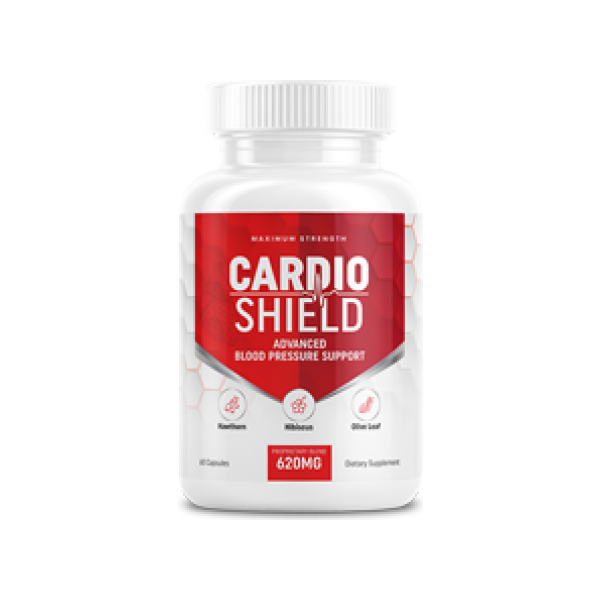
Cardio Shield is a capsule sold for “healthy blood pressure” by a narrator called Jerry and a supplement company, Apollo Research. Two capsules provide six vitamins and a 570 mg blend of hawthorn, olive leaf, nattokinase, green tea, garlic and hibiscus. This review covers what that label shows, what research supports at those amounts, why its promises about medication are dangerous, the real prices and how the 180-day refund works.
Deeper Analysis of High Blood Pressure
The supplements with the most evidence
- Garlic: the most consistent results. Meta-analyses found drops of about 8/5 mmHg in people with high blood pressure, in trials using 600–900 mg of garlic powder or 960–1,200 mg of aged garlic extract a day for 8–24 weeks. It may raise bleeding risk with blood thinners. More on garlic.
- Hibiscus: in one six-week trial, three cups of hibiscus tea a day lowered systolic pressure by 7.2 mmHg, against 1.3 mmHg with a placebo drink, and meta-analyses find similar modest drops. But a 2021 Cochrane review rated the evidence very low certainty. More on hibiscus.
- Beetroot (dietary nitrate): meta-analyses, mostly of beetroot juice, show drops of about 3–4 mmHg systolic. Many powders supply far less nitrate than the juice used in studies. More on beetroot.
- Magnesium: trials using a median of about 370 mg a day for three months found small drops of about 2–4 mmHg. Doses above 350 mg a day from supplements often cause diarrhoea, and people with kidney disease should check with a doctor. More on magnesium.
- Olive leaf extract: in an 8-week trial in people with stage 1 high blood pressure, 500 mg twice a day lowered blood pressure about as much as a low dose of the drug captopril. Trials are few and small.
- Green tea: a meta-analysis of 13 trials found an average drop of about 2 mmHg, a small effect. More on green tea extract.
Potassium: food first
Potassium helps the body get rid of sodium, and the US guideline suggests 3,500–5,000 mg a day, preferably from food such as vegetables, fruit, beans and dairy. Potassium supplements are a different matter: they can push blood potassium dangerously high in people with kidney disease or those taking ACE inhibitors, ARBs or potassium-sparing diuretics, which are common blood pressure medicines. Do not take them without your doctor.
Ingredients that can raise blood pressure
- Licorice root (unless deglycyrrhizinated): its glycyrrhizin can raise blood pressure and lower potassium. More on licorice.
- Stimulant “fat burners”, including high-caffeine formulas and bitter orange (synephrine): check with your doctor if you have high blood pressure.
How the blood pressure supplement we review compares
Cardio Shield combines several of the ingredients above (hibiscus, garlic, olive leaf, green tea and hawthorn) with nattokinase and six vitamins, but its whole 570 mg blend is shared between six ingredients, far below the doses that worked in trials. Its sales letter promises 120/80 “in as little as 7 days” and a life free of medication, which no supplement can deliver, and its nattokinase and vitamin K2 matter if you take blood thinners. It scores 3.2 out of 5 on our rubric, helped by a fair refund policy.
When to get help
A reading of 180/120 or higher with chest pain, shortness of breath, back pain, numbness or weakness, a change in vision or difficulty speaking is an emergency: call emergency services. Without symptoms, wait five minutes and measure again; if it is still that high, contact your doctor straight away.
Key Ingredients for High Blood Pressure
The most consistent evidence: about 8/5 mmHg lower in people with high blood pressure, at 600-900 mg of garlic powder or about 1,000 mg of aged garlic extract a day. May raise bleeding risk with blood thinners.
Three cups of hibiscus tea a day lowered systolic pressure by about 7 mmHg in a six-week trial; a Cochrane review rated the overall evidence very low certainty. May add to blood pressure medicines.
Meta-analyses, mostly of beetroot juice, show drops of about 3-4 mmHg systolic; many powders supply far less nitrate than the juice used in studies.
Small drops of about 2-4 mmHg in trials using about 370 mg a day; doses above 350 mg from supplements often cause diarrhoea.
In one 8-week trial, 500 mg twice a day lowered blood pressure about as much as a low dose of captopril; trials are few and small.
About 2 mmHg lower on average in a meta-analysis of 13 trials, a small effect.
Potassium-rich foods lower blood pressure by about 4-5 mmHg; supplements can be dangerous with kidney disease or some blood pressure medicines.
Glycyrrhizin in licorice can raise blood pressure and lower potassium; deglycyrrhizinated licorice (DGL) does not have this effect.
Frequently Asked Questions
Garlic has the most consistent evidence, lowering blood pressure by about 8/5 mmHg in people with high blood pressure at 600-900 mg of garlic powder a day. Hibiscus tea has similar results in small trials but weaker evidence overall. Neither replaces medication, and diet, exercise and less salt each lower blood pressure as much or more.
No. No supplement has been shown to prevent the strokes, heart attacks and kidney damage that blood pressure medicines prevent. Do not stop or reduce a prescription because of a supplement; if you want to cut back, talk to your doctor and keep checking your readings.
In meta-analyses of people with high blood pressure, garlic supplements lowered it by about 8 mmHg systolic and 5 mmHg diastolic on average, using 600-900 mg of garlic powder or 960-1,200 mg of aged garlic extract a day for 8 to 24 weeks.
It may help a little. In a six-week trial, three cups a day lowered systolic pressure by 7.2 mmHg compared with 1.3 mmHg for a placebo drink, but a 2021 Cochrane review judged the evidence too weak to be sure. It may add to the effect of blood pressure medicines.
Not without your doctor. Eating more potassium-rich foods lowers blood pressure by about 4-5 mmHg, but supplements can raise blood potassium dangerously in people with kidney disease or those taking ACE inhibitors, ARBs or potassium-sparing diuretics.
The changes with the strongest evidence are the DASH eating plan (about 11 mmHg systolic), regular aerobic exercise (5-8 mmHg), cutting salt (5-6 mmHg), more potassium-rich food (4-5 mmHg), less alcohol (about 4 mmHg) and losing excess weight (about 1 mmHg per kilogram).
It contains some of the right ingredients, including hibiscus, garlic and olive leaf, but its whole 570 mg blend is shared between six ingredients, far below the doses used in trials, and its sales claims go well beyond the evidence. It scores 3.2 out of 5 in our review.
A reading of 180/120 or higher with chest pain, shortness of breath, back pain, numbness or weakness, a change in vision or difficulty speaking needs emergency care. Without symptoms, measure again after five minutes and contact your doctor straight away if it is still that high.
⚖️ Conclusion
A few supplements lower blood pressure a little: garlic has the most consistent evidence, at about 8/5 mmHg, and hibiscus, beetroot juice, magnesium, olive leaf and green tea have smaller or less certain effects, each at specific doses that many combination products do not reach. That can be a useful add-on, but it is less than the DASH eating plan, regular exercise or cutting salt achieve, and far less than medication when blood pressure is high.
If you try a supplement, keep taking any prescribed medicine, tell your doctor, and judge it by your own home readings over a few weeks rather than by what the label promises. Avoid products that claim to bring blood pressure to 120/80 in days or to replace medication.