
Home » Common Issues » High Cholesterol
Best Supplements for High Cholesterol: What the Evidence Supports
Which cholesterol supplements work: plant sterols, psyllium, oats, red yeast rice, berberine and fish oil compared with statins, and who needs medicine.
Understanding High Cholesterol
Cholesterol supplements are sold with promises to replace statins or clear your arteries. This guide looks at what trials actually show: a few supplements lower LDL cholesterol modestly, none has been shown to prevent heart attacks or strokes, and statins have. The short version: plant sterols, psyllium and oats can lower LDL by roughly 5–10%, and if your risk is high, you will probably need medicine as well.
Know your numbers
- LDL cholesterol is the main target. It builds up in artery walls, and lowering it lowers the risk of heart attacks and strokes. High cholesterol causes no symptoms; only a blood test finds it.
- Triglycerides rise with excess weight, diabetes, alcohol and sugary or refined foods, and very high levels need treatment of their own.
- HDL cholesterol is linked to lower risk, but raising it with drugs has not prevented heart attacks.
- Your overall risk: doctors decide on treatment from your 10-year risk of a heart attack or stroke, which also depends on your age, blood pressure, diabetes and smoking. An LDL of 190 mg/dL or higher usually calls for a statin on its own and can point to an inherited condition.
Lifestyle comes first
Replacing saturated fat with unsaturated fats, eating more soluble fiber from oats, beans, lentils and fruit, keeping to a healthy weight, staying active and not smoking all improve cholesterol or heart risk. The supplements below are add-ons to those changes, not substitutes for them or for medicine.
At a Glance: The Products Compared
| Product | Our score | Price per bottle | Money-back | |
|---|---|---|---|---|
| VenoPlus 8 | 3.2/5 | $39–$59 | 365 days | Read review → |
| Cholibrium | 2.9/5 | $39–$59 | 365 days | Read review → |
Scores use our published rubric. Prices are the official site's per-bottle price, from the largest package to the smallest; shipping and taxes can change the total, so check it at checkout.
Top Recommended Products for High Cholesterol

VenoPlus 8 is a green apple-flavored drink powder from Simple Promise, sold for circulation, blood pressure and cholesterol. One scoop contains vitamin K2 (MenaQ7), beetroot, pomegranate and grape seed extracts, hesperidin, vitamin C, magnesium and inulin fiber, all with amounts on the label. This review compares those doses with the trials, checks the “heart attack risk by half” claim and the warfarin warning the seller leaves out, and covers the prices and the 365-day refund.
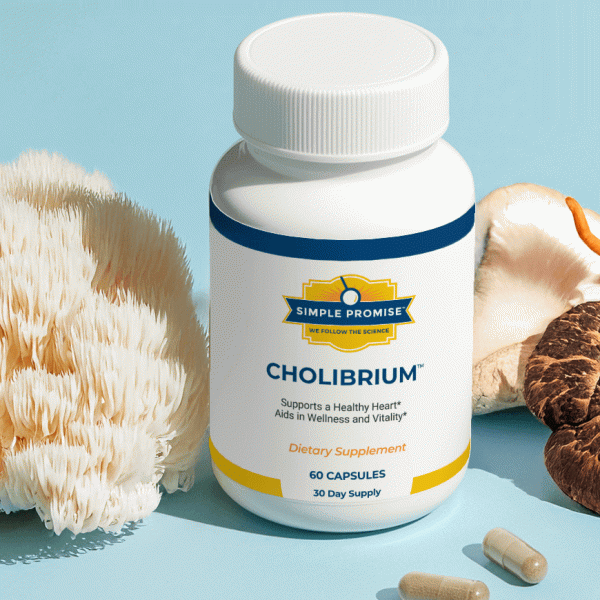
Cholibrium is a two-capsule daily supplement from Simple Promise that combines ten mushrooms, including reishi, lion’s mane, cordyceps, shiitake and maitake, and is sold for cholesterol, triglycerides and blood pressure. This review checks its label, the study behind its “80 points” claim, what mushroom trials in people actually found, and the prices and 365-day refund.
Deeper Analysis of High Cholesterol
Why statins set the bar
In an analysis of 26 trials with about 170,000 people, every 1 mmol/L (about 39 mg/dL) drop in LDL cholesterol with statins cut major heart attacks, strokes and artery procedures by about 22%, and deaths from any cause by about 10%. In the SPORT trial, 190 adults at raised heart risk took a low 5 mg dose of rosuvastatin, a placebo, or one of six popular supplements (fish oil, cinnamon, garlic, turmeric, plant sterols or red yeast rice) for 28 days. Rosuvastatin lowered LDL by 35% more than the placebo; none of the supplements lowered it significantly.
Supplements with the most evidence
- Plant sterols and stanols: 1.5–2.4 g a day, mostly in fortified spreads, yogurts and drinks, lowers LDL by about 7–10% within two to three weeks, and a meta-analysis of 124 studies found the effect rises to about 12% at 3 g a day. They have not been directly shown to reduce heart attacks or strokes. More on beta-sitosterol.
- Psyllium: in a meta-analysis of 28 trials, about 10 g a day lowered LDL by 0.33 mmol/L, roughly 13 mg/dL. Take it with plenty of water.
- Oat beta-glucan: in a meta-analysis of 58 trials, about 3.5 g a day lowered LDL by about 7 mg/dL. Oatmeal, oat bran and barley are the usual sources.
- Red yeast rice: contains monacolin K, which is chemically identical to the statin lovastatin, and was one of the two most effective supplements for LDL in a network analysis of 131 trials. But products vary enormously: in tests of 28 US brands, monacolin K ranged more than 60-fold and two brands had none, and an earlier test found citrinin, a toxin that harms the kidneys in animals, in a third of products. Because it is in effect an unregulated statin, it can cause the same side effects and interactions; do not combine it with a statin, and use it only with your doctor’s knowledge.
- Berberine: a 2013 meta-analysis of 11 trials found it lowered LDL by about 0.65 mmol/L (about 25 mg/dL) and triglycerides by about 0.5 mmol/L. It often upsets the stomach, changes how the liver breaks down many medicines, and should not be used in pregnancy. More on berberine.
- Garlic: a meta-analysis of 39 trials found about a 10% fall in total and LDL cholesterol after more than two months in people with slightly raised levels, but garlic did not lower LDL in the SPORT trial. Its clearer benefit is a small drop in blood pressure. More on garlic.
For high triglycerides
Omega-3 fish oils lower triglycerides rather than LDL. According to the American Heart Association, 4 g a day of EPA and DHA cuts very high triglycerides by 30% or more; that dose usually means a prescription product, since a typical 1,000 mg fish oil capsule holds about 300 mg of EPA and DHA. In the REDUCE-IT trial, 4 g a day of a prescription form of EPA cut major heart events by 25% in high-risk patients already taking statins. Cutting back on alcohol, sugar and refined carbohydrates also lowers triglycerides, and inulin fiber lowered them by about 7.5% in a meta-analysis of 15 trials. More on inulin.
What doesn’t help
- Niacin: in the HPS2-THRIVE trial, 25,673 people with vascular disease took extended-release niacin or a placebo for about four years. Niacin raised HDL and lowered LDL a little, but did not reduce heart attacks or strokes, and caused more serious side effects, including problems with diabetes control.
- Policosanol: the only supplement in the 131-trial network analysis that did not lower LDL.
- Reishi and other mushroom blends: a Cochrane review of five trials found reishi did not significantly lower total or LDL cholesterol, and the cholesterol claims for lion’s mane, maitake and chaga come from animal studies.
- Vitamin K2, beetroot and pomegranate: sold for arteries and circulation, but none has been shown to lower LDL cholesterol by much or to remove plaque.
How the cholesterol supplements we review compare
- VenoPlus 8 (3.2 out of 5): a full label with vitamin K2, beetroot, pomegranate, hesperidin and grape seed, mostly at doses well below those in trials; aimed more at blood pressure and circulation than cholesterol. Avoid it if you take warfarin.
- Cholibrium (2.9): ten mushrooms with amounts for four; its cholesterol claims rest on animal studies, and its sales page encourages distrust of statins.
Neither contains the ingredients with the best evidence for LDL cholesterol: plant sterols, psyllium or oat beta-glucan. Both come from the same company and offer a 365-day refund.
When to see a doctor
Ask for a cholesterol test if you have never had one, especially with a family history of early heart disease. Keep taking any statin you have been prescribed, and tell your doctor about any supplement you take, especially red yeast rice or berberine. A repeat test 4–12 weeks after a change shows whether it is working. Call emergency services for chest pain or pressure, shortness of breath, or pain spreading to the arm, jaw or back.
Key Ingredients for High Cholesterol
1.5–2.4 g a day lowers LDL by about 7–10%, rising to about 12% at 3 g; mostly tested in fortified foods.
About 10 g a day lowered LDL by about 13 mg/dL in a meta-analysis of 28 trials.
About 3.5 g a day lowered LDL by about 7 mg/dL in a meta-analysis of 58 trials.
Contains monacolin K, identical to lovastatin; strength varies more than 60-fold between brands, and some contain the toxin citrinin.
Lowered LDL by about 25 mg/dL in a 2013 meta-analysis; upsets the stomach and interacts with many medicines.
At 4 g a day of EPA and DHA, lowers very high triglycerides by 30% or more; little effect on LDL.
Mixed results for LDL; it did not lower LDL in the SPORT trial.
Raised HDL but did not prevent heart attacks or strokes in a trial of 25,673 people, and caused more serious side effects.
Frequently Asked Questions
Plant sterols and stanols have the most consistent evidence: 1.5–2.4 g a day lowers LDL cholesterol by about 7–10%. Psyllium and oat beta-glucan lower it a little less. Red yeast rice and berberine can lower it more but carry real safety concerns, and no supplement has been shown to prevent heart attacks.
No. In the SPORT trial, six popular supplements did not lower LDL more than a placebo over 28 days, while a low dose of rosuvastatin lowered it by 35%. Statins have been shown in trials of about 170,000 people to prevent heart attacks and strokes; supplements have not.
About 7–10% at 1.5–2.4 g a day, usually within two to three weeks, rising to about 12% at 3 g a day. Most studies used fortified spreads, yogurts or drinks. They have not been directly shown to reduce heart attacks.
It contains monacolin K, the same compound as the statin lovastatin, so it can cause the same side effects and interactions. Its strength varies more than 60-fold between brands, some products contain none, and some have contained the toxin citrinin. Use it only with your doctor’s knowledge, and never with a statin.
Yes, modestly: a 2013 meta-analysis of 11 trials found it lowered LDL by about 25 mg/dL and triglycerides by about 0.5 mmol/L. It often causes stomach upset and interacts with many medicines, and it should not be used in pregnancy.
Mainly triglycerides, not LDL. At 4 g a day of EPA and DHA, usually a prescription product, it lowers very high triglycerides by 30% or more. Ordinary fish oil capsules contain much less.
Not in human trials so far. A Cochrane review of five trials found reishi did not significantly lower total or LDL cholesterol, and the claims for lion’s mane, maitake and chaga come from animal studies.
No supplement has been shown to remove plaque. In trials, vitamin K2 at 180–360 mcg a day improved arterial stiffness and slightly slowed calcium build-up, but it does not lower LDL cholesterol, and it can weaken warfarin.
Plant sterols work within two to three weeks, and statins lowered LDL substantially within four weeks in the SPORT trial. A repeat test 4–12 weeks after a change shows whether it is working.
⚖️ Conclusion
A few supplements lower LDL cholesterol modestly: plant sterols by about 7–10% at 1.5–2.4 g a day, psyllium by about 13 mg/dL, and oat beta-glucan by about 7 mg/dL. Red yeast rice and berberine lower it more, but red yeast rice is in effect an unregulated statin of unpredictable strength, and berberine interacts with many medicines. None has been shown to prevent heart attacks or strokes, and in a head-to-head trial, six popular supplements did no better than a placebo while a low-dose statin cut LDL by 35%.
Use plant sterols, psyllium and oats alongside a healthy diet, not instead of medicine. If your doctor says your risk is high, a statin has by far the strongest evidence. Be wary of products that promise to replace statins or clear arteries; the two we review, VenoPlus 8 and Cholibrium, contain none of the best-evidenced ingredients.