
Home » Ingredients » Panax Ginseng
Panax Ginseng Benefits: What the Research Shows
Panax Ginseng, also known as Korean or Asian Ginseng, is a root that has been used in traditional medicine for centuries to restore vitality and balance. Modern research has studied it for possible effects on thinking, fatigue, and physical performance, with mixed results so far.
Last updated 6 October 2026
Panax Ginseng: the short answer
Human studies of Panax ginseng give mixed results. Small trials suggest it may slightly ease fatigue and modestly lower fasting blood sugar. Cochrane reviews found only a trivial, low-certainty effect on erectile function and no convincing evidence that it improves memory or thinking in healthy people.
| What it is | The root of Panax ginseng (Asian or Korean ginseng), sold air-dried as white ginseng or steamed and dried as red ginseng. Its main active compounds are ginsenosides. It is a different plant from American ginseng. |
|---|---|
| Most studied for | Thinking and memory, fatigue, erectile dysfunction, blood sugar control, and colds and flu. |
| Amounts used in studies | Thinking: single doses of 200-400 mg of a standardized extract (G115). Fatigue: 1-2 g a day of extract for 4 weeks. Erectile dysfunction: 2.7-3 g a day of Korean red ginseng for 8-12 weeks. Colds and flu: 100 mg a day of standardized extract for 12 weeks. |
| Strength of evidence | Mixed: many small, short trials with some positive results, but Cochrane reviews rated the erectile dysfunction evidence low certainty (trivial effect vs placebo) and found no convincing cognitive benefit in healthy people; blood sugar effects are small. |
| Safety | Short-term use (up to 6 months) appears safe for most people; insomnia is the most common side effect, and rare rash, liver damage and severe allergic reactions have been reported. May lower blood sugar (take care with diabetes medicines) and may interfere with blood clotting; small trials found no change in warfarin's effect, but check with a doctor if you take warfarin. Not advised in pregnancy, breastfeeding, infants or children; long-term safety is unclear. |
| In products we review | ProstaVive, CitrusBurn, Ikaria Juice, Nagano Tonic, FIMAVYN, Audifort, ZenCortex, Sugar Defender, Protoflow, Keravita Pro, Fluxactive Complete |
Sources: NCCIH Asian ginseng fact sheet · Cochrane review: ginseng and cognition · Cochrane review: ginseng for ED · Ginseng blood sugar meta-analysis
Benefits of Panax Ginseng
What is Panax Ginseng?
Panax Ginseng, often referred to as Asian, Korean, or Chinese Ginseng, is a slow-growing perennial plant belonging to the Araliaceae family. The name "Panax" is derived from the Greek words "pan," meaning all, and "akos," meaning cure, signifying its historical status as a universal remedy. This root has been an important herb in Traditional Chinese Medicine (TCM) for centuries, where it was traditionally used to replenish the body's vital energy, or "Qi."
Origin and History
Native to the mountainous regions of East Asia, particularly Korea, Northeast China, and parts of eastern Siberia, Panax Ginseng thrives in cool climates. Historically, wild ginseng was so rare and highly valued that it was often worth more than its weight in gold, reserved strictly for emperors and the elite. Today, while wild ginseng still exists and is highly protected, most Panax Ginseng used in dietary supplements is carefully cultivated over five to six years to ensure the roots reach their peak concentration of bioactive compounds.
There are two primary forms of the processed root: White Ginseng, which is air-dried, and Red Ginseng, which is steamed and then dried. The steaming process used to create Red Ginseng is believed to alter the chemical composition, often increasing the concentration of specific ginsenosides, making it a popular choice for those seeking more potent therapeutic effects.
Top Rated Supplements with Panax Ginseng
Products we review that list Panax Ginseng as an ingredient. Not every product discloses how much of each ingredient a serving contains, so check each review before assuming it matches the amounts used in studies.
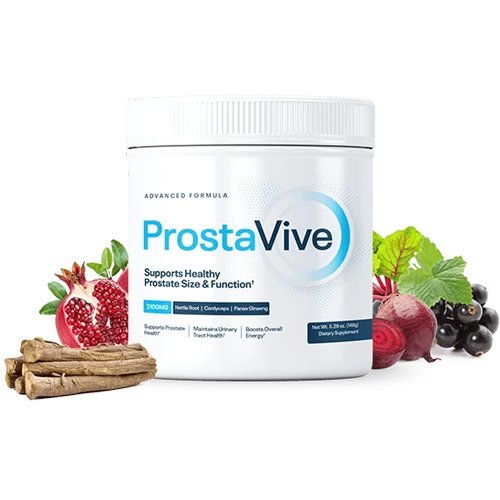
In the landscape of men's health, few issues are as persistent and frustrating as prostate-related discomfort. ProstaVive is a once-daily drink powder that its vendor markets for prostate health, urine flow, sleep and sex drive. Its official label lists herbs such as fenugreek, ashwagandha, maca, tongkat ali and nettle root, plus zinc, magnesium, vitamins D3 and B6, and boron. The formula itself has not been tested in a published trial, and nettle root, a traditional prostate herb, has shown mixed results in trials. Men with urinary symptoms should see a doctor first, because the same symptoms can come from an enlarged prostate, an infection or prostate cancer.
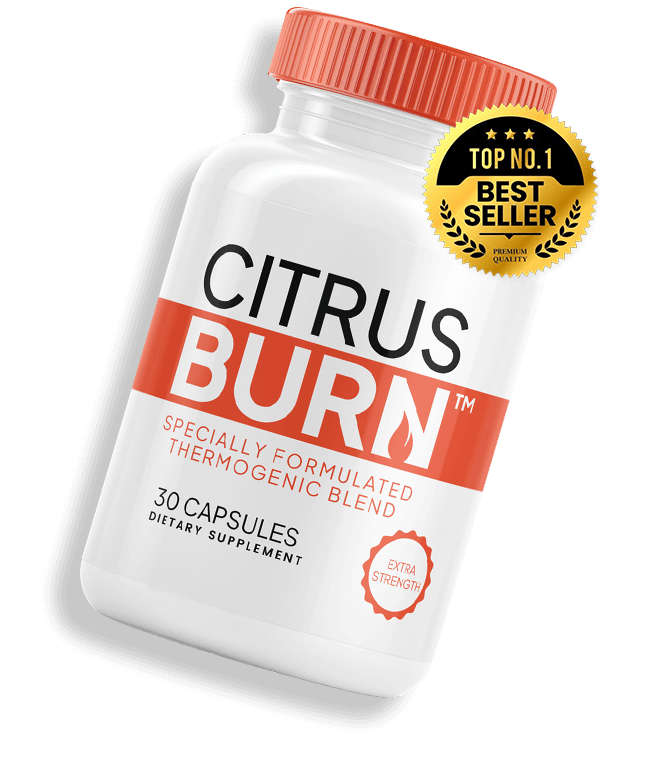
CitrusBurn is a once-a-day capsule built around Seville orange peel — bitter orange, the source of p-synephrine — alongside apple cider vinegar, red pepper, ginger, green tea, berberine and Korean red ginseng. It is marketed mainly to women over 40 as metabolism support. This review covers what each ingredient is actually supported by, what the label leaves out, the real package prices and how the 180-day refund works.

Ikaria Juice (sold as Ikaria Lean Belly Juice) is a powdered dietary supplement named after the Greek island of Ikaria. It is formulated as a convenient powder that blends easily into water or your favorite beverage. It is marketed for metabolism and belly fat; its listed ingredients include milk thistle, dandelion, Panax ginseng, resveratrol, EGCG, citrus pectin and fucoxanthin, none with strong human evidence for weight loss. It is not built around caffeine or other stimulants, though the vendor does not state its caffeine content.
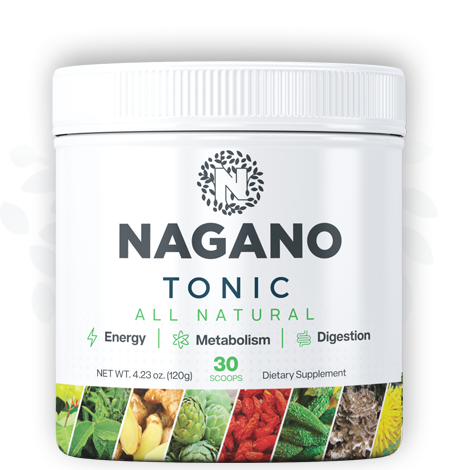
Nagano Tonic, sold as Nagano Lean Body Tonic, is a flavoured powder you stir into water or another drink once a day. Each scoop combines a greens and berry blend, nine herbs including green tea extract, ashwagandha, ginger, cinnamon and Panax ginseng, a small fibre and enzyme blend, five probiotic strains, and vitamins C and B12. It is marketed as a “Japanese elixir” that wakes up a sleeping metabolism. This review covers what the label discloses, what research on its ingredients shows at these amounts, the real package prices and how the 180-day refund works.
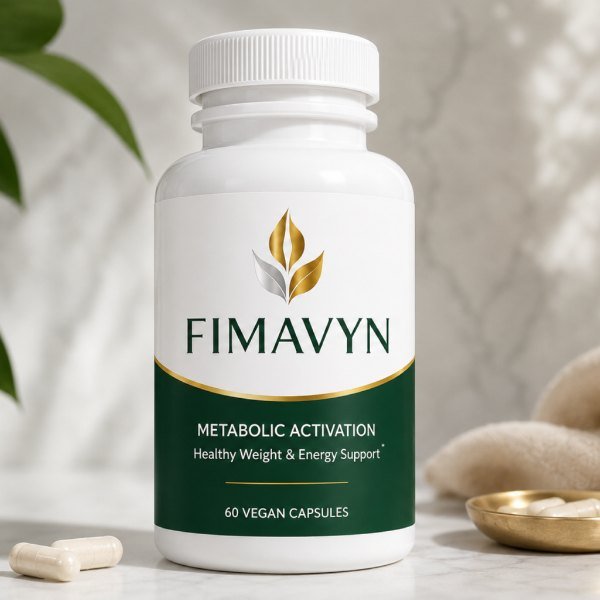
FIMAVYN is a new two-capsule supplement sold as “Metabolic Activation” for healthy weight and energy. This review covers its full label, which discloses most of its doses, what research shows for each ingredient and at what doses, who should check with a doctor first, the prices, shipping and the 60-day guarantee.
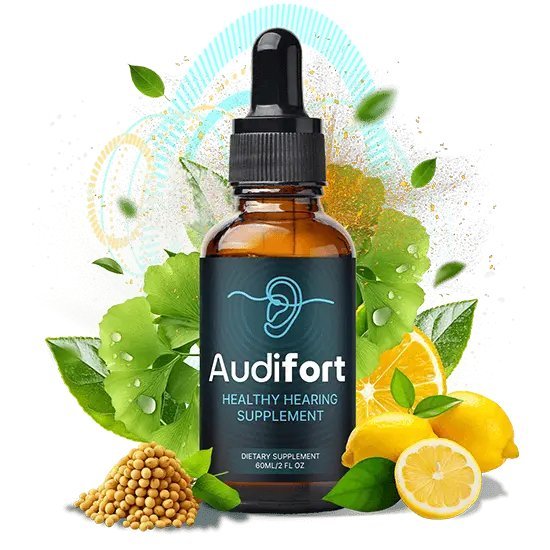
Audifort is a liquid dietary supplement marketed for hearing support and ringing in the ears, made from a blend of plant extracts, amino acids and a trace of chromium. This review looks at what is actually in the formula, what the evidence supports, what a realistic trial costs, and when hearing symptoms warrant an audiologist rather than a supplement.
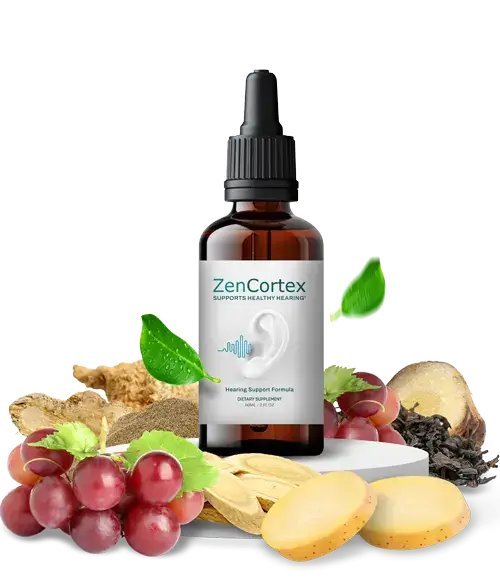
ZenCortex is a liquid supplement marketed for hearing support, memory and mental sharpness. This liquid supplement is designed for individuals who are tired of the constant ringing, buzzing, or muffled sounds that often accompany aging or environmental exposure. In this review we look at the evidence behind the formula, which the vendor says contains over 20 ingredients, mostly plant extracts plus amino acids. ZenCortex comes as liquid drops rather than pills; there is no published evidence that this format is absorbed better. Whether you are looking to sharpen your mental focus or protect your delicate auditory system from oxidative stress, ZenCortex claims to provide the 360-degree support you need.

Sugar Defender is a liquid sold for blood sugar and weight loss. This review covers its full label, which turns out to be identical to ZenCortex’s, what research shows for chromium, gymnema, ginseng and the rest at the amounts in the drops, what people taking diabetes medicines should know, the real prices and the 60-day refund.
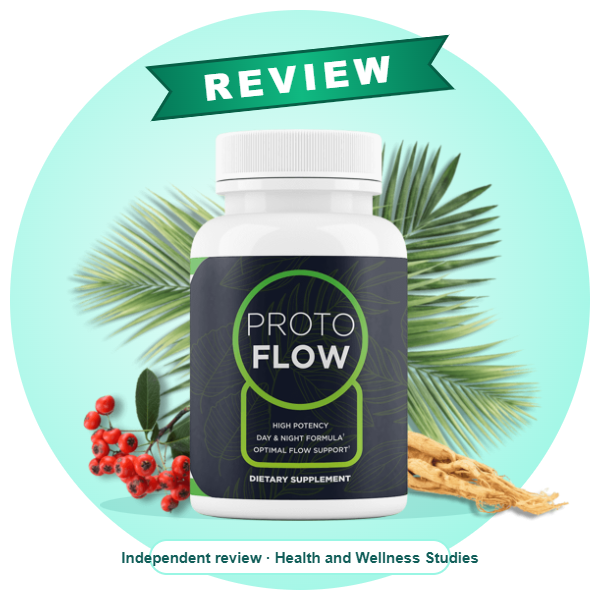
Protoflow is a prostate and urinary-flow capsule sold through ClickBank by PhytoThrive Labs, with 14 ingredients including saw palmetto, horny goat weed and niacin. This review checks the full label against the research and explains the prices and refund rules.
Keravita Pro is a capsule sold online for toenail fungus and healthy nails and hair. This review covers its full label, which turns out to be a general “immune” blend of about 20 herbs, whether any capsule can clear nail fungus, a safety caution about graviola, the sales claims, the prices and the 60-day refund.
Fluxactive Complete is a capsule sold as a “14-in-1” prostate formula by Phytothrive Labs. It names saw palmetto, Chinese ginseng, vitamin E, tribulus, epimedium, damiana and eight other ingredients, but publishes no label or amounts. This review covers what the research shows for those ingredients, why the missing label matters, the real prices and the 60-day refund terms.
Scientific Analysis of Panax Ginseng
The Mechanism of Action: How Panax Ginseng Works
The primary bioactive components responsible for the health-promoting properties of Panax Ginseng are a group of unique steroidal saponins known as ginsenosides. Many different ginsenosides have been identified, with Rb1, Rg1, and Rg3 being among the most researched. These compounds are thought to act through several pathways, mostly studied in the lab.
Modulating the HPA Axis
Panax Ginseng is often called an adaptogen and is thought to act on the Hypothalamic-Pituitary-Adrenal (HPA) axis, although this has not been clearly shown in people. This is the body’s central stress response system. It has been suggested that ginseng helps regulate cortisol, the "stress hormone," but human studies have not shown that it prevents the harmful effects of chronic stress.
Nitric Oxide Production
Laboratory studies suggest ginsenosides can stimulate the production of nitric oxide (NO) in the endothelial cells of blood vessels. Increased nitric oxide leads to vasodilation, which improves blood circulation throughout the body. This mechanism has been proposed to explain possible effects on erectile function and stamina, but benefits seen in people have been small or uncertain.
Neuroprotection and Neurotransmitter Regulation
In lab and animal studies, ginseng compounds have reduced oxidative stress and beta-amyloid build-up, but protective effects on the human brain have not been shown. Animal studies also suggest it may affect neurotransmitters such as dopamine, serotonin, and acetylcholine, which are involved in mood, memory, and focus.
Health Benefits and What the Research Shows
1. Cognitive Enhancement and Mental Clarity
Thinking and memory are among the most studied uses of Panax Ginseng, but the results are mixed. Some small trials reported better reaction time or mental arithmetic with standardized extracts, but a Cochrane review found no convincing evidence of a cognitive benefit in healthy people. In one small single-dose study of 30 young adults, 200 mg reduced self-rated mental fatigue during demanding mental tasks, but this needs confirming in larger trials.
2. Boosting Energy and Reducing Fatigue
According to NCCIH, Panax Ginseng alone may have a small beneficial effect on general fatigue. Claims that ginseng gives steadier energy than caffeine have not been tested in good-quality trials. Lab and animal studies have looked at effects on lactic acid and cell energy production, but these effects have not been confirmed in people. A small 2013 trial in PLoS One gave 90 people with unexplained chronic fatigue 1 g or 2 g of ginseng extract daily for four weeks and found less fatigue, mainly mental fatigue, than with placebo.
3. Immune System Support
Ginseng may affect the immune system, but human evidence is limited. One trial reported higher natural killer (NK) cell activity in people taking ginseng, but whether this helps fight infections in daily life is not well established. In one 1996 trial of 227 adults, 100 mg of a standardized extract daily for 12 weeks was linked to higher antibody levels after flu vaccination and fewer colds or flu, but this has not been widely repeated.
4. Support for Erectile Dysfunction
For centuries, Panax Ginseng has been used as a natural aphrodisiac. Modern research offers only weak support for this use in men with erectile dysfunction (ED). Some small double-blind trials of Korean red ginseng reported better erectile function scores than placebo, but a 2021 Cochrane review of nine trials (587 men) found only a trivial effect, based on low-certainty evidence.
5. Blood Sugar Regulation
Emerging research suggests that Panax Ginseng may assist in managing blood glucose levels. A 2014 review of 16 trials found a small drop in fasting blood glucose (about 0.31 mmol/L) but no clear effect on insulin levels or insulin resistance. It is not a replacement for medical treatment; NCCIH describes the diabetes research as inconclusive and conflicting, and people taking diabetes medicines should talk to their doctor first because ginseng may lower blood sugar.
Scientific Research and Clinical Evidence
Panax Ginseng has been tested in many clinical trials, but most are small and short. Some trials, such as a 2013 fatigue study, reported lower markers of oxidative stress, but it has not been shown that such changes lead to health benefits. Lab studies have also looked at ginsenosides and skin cells, but anti-aging effects on the skin have not been shown in people.
Potential Side Effects and Safety Precautions
NCCIH says short-term use of Panax Ginseng (up to six months) in recommended amounts appears safe for most people, but questions have been raised about its long-term safety. The most common side effect reported is insomnia, especially if the supplement is taken late in the day due to its stimulating properties. Other potential side effects include:
- Mild digestive upset or diarrhea
- Headaches
- Changes in blood pressure
- Rapid heartbeat
Drug Interactions
Because Panax Ginseng affects various biological systems, it can interact with certain medications. Individuals taking blood thinners (like Warfarin), diabetes medications, or immunosuppressants should consult a healthcare provider before use. It is also recommended to avoid combining high doses of ginseng with other stimulants to prevent overstimulation of the nervous system.
Cycling the Supplement
Some herbalists and practitioners recommend "cycling" Panax Ginseng, although no studies have shown that tolerance develops or that cycling improves results. A common cycle is taking the supplement for 2-3 weeks, followed by a 1-week break. This practice is based on tradition rather than clinical evidence.
Frequently Asked Questions
There is no official standard dose; studies have used about 100mg to 400mg a day of standardized extracts, and 1 to 3 grams a day of ginseng in fatigue and erectile dysfunction trials. Lower doses have not been shown to help general wellness, and NCCIH notes that safety is best established for short-term use of up to six months.
It is best to take Panax Ginseng in the morning or early afternoon. Because of its energy-boosting properties, taking it in the evening may interfere with sleep and cause insomnia in sensitive individuals.
Yes. Panax Ginseng (Asian) is generally considered more stimulating and warming, making it ideal for energy and focus. American Ginseng (Panax quinquefolius) is considered more cooling and is often used for its calming effects and immune support without the intense stimulation.
Single-dose studies measured effects on mental tasks within a few hours, while trials for fatigue and erectile function lasted 4 to 12 weeks; how quickly a person notices any benefit varies.
Yes, most adult women can use Panax Ginseng short term, but NCCIH advises against it during pregnancy or breastfeeding. It is often used by women to help manage fatigue and improve cognitive function. However, because ginseng may have hormone-like effects, women with hormone-sensitive conditions should consult a doctor first.
⚖️ Conclusion
Panax Ginseng is a widely used herb with mixed scientific evidence: small trials suggest possible benefits for fatigue and some measures of thinking, but reviews rate the overall evidence as weak. Research on ginsenosides and the stress response comes mostly from lab and animal studies, and human results for blood sugar have been small and inconsistent. While it is generally well-tolerated by most healthy adults, its potency necessitates a cautious approach, particularly regarding dosage and potential interactions with medications such as anticoagulants or stimulants. The distinction between white and red ginseng is also useful for consumers to understand, as the steaming process for red ginseng changes its ginsenoside profile. For those seeking help with fatigue or mental clarity, Panax Ginseng may be worth discussing with a doctor, but expected benefits are modest; if used, choose a standardized extract from a reputable source. Some practitioners suggest cycling the supplement, such as two to three weeks on and one week off, although there is no clinical evidence that this is needed. Ultimately, Panax Ginseng remains a popular supplement with a long traditional history, but its clinical evidence is still mixed.