
Home » Common Issues » Memory and Focus
Best Supplements for Memory: What the Evidence Supports, Ranked
Memory supplements and brain-audio programs we review, ranked by our scoring rubric: what the evidence supports, what it does not, and when to see a doctor.
Understanding Memory and Focus
Memory supplements and "brain audio" programs are among the fastest-selling health products online, and most promise far more than the evidence supports. This page ranks the four memory products we review using the same published scoring rubric as every review on this site, and explains what is — and is not — known to help.
What a memory supplement can realistically do
A handful of ingredients have modest evidence in healthy adults. The best is bacopa, an Ayurvedic herb that improved memory recall in randomised trials after about 12 weeks. Lion's mane mushroom has small, promising trials. Beyond those, most memory products have never been tested as finished formulas, and the effects measured for individual ingredients are small. No supplement has been shown to prevent dementia.
When to see a doctor first
Ordinary forgetfulness under stress, poor sleep or a busy life is common. Please see a doctor, rather than starting a supplement, if your memory problems:
- are new, or getting steadily worse;
- are noticed by people around you, or affect your work, finances or daily routine;
- involve getting lost in familiar places or struggling with familiar tasks;
- come with changes in mood, personality, speech or balance.
Many causes — thyroid problems, low vitamin B12, depression, sleep apnoea, medication side effects — are treatable, and an early diagnosis of dementia gives access to care and treatment.
How we ranked them
Every product is scored on five weighted criteria — ingredient transparency, strength of evidence, value for money, guarantee terms and buying experience — explained on our methodology page. Products below are listed by that score, highest first:
- NeuroVera — 3.6/5. Built around bacopa and lion's mane, the cheapest option, with a 365-day guarantee. Its weakness is transparency: it names five of the nine ingredients it claims.
- The Memory Wave — 3.4/5. A $39, 12-minute daily audio program aimed at gamma brainwaves. The research it borrows from is real but was mostly in mice, using light-and-sound devices for about an hour a day.
- The Brain Song — 3.4/5. The same audio template under a different label, pitched at the brain protein BDNF. No study shows that audio raises BDNF; exercise does.
- NeuroZoom — 2.6/5. A 35-in-1 formula with no amounts published, so each ingredient almost certainly sits below its studied dose, at twice NeuroVera's price with a 60-day guarantee.
We also review two audio programs pitched more at creativity and "brain power" than memory: The Genius Wave and The Genius Switch.
Top Recommended Products for Memory and Focus
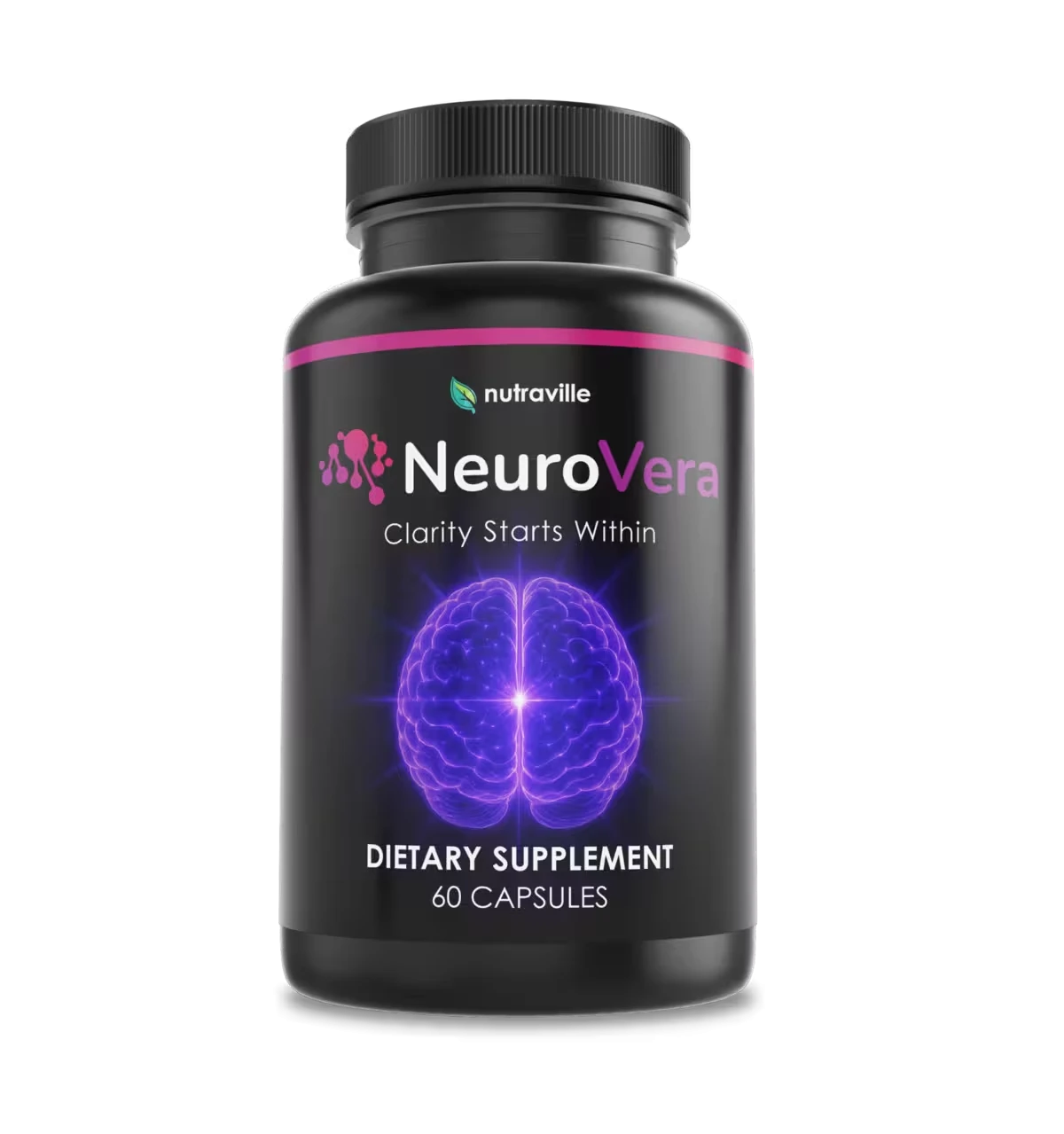
NeuroVera is a two-capsule daily memory supplement from Nutraville built around bacopa, lion’s mane, gotu kola, shilajit and schisandra. It is unusually cheap for its category, at $49 a bottle or less, and carries a 365-day money-back guarantee. This review covers what the research on those ingredients supports, what the vendor leaves out, the real prices and how the refund works.
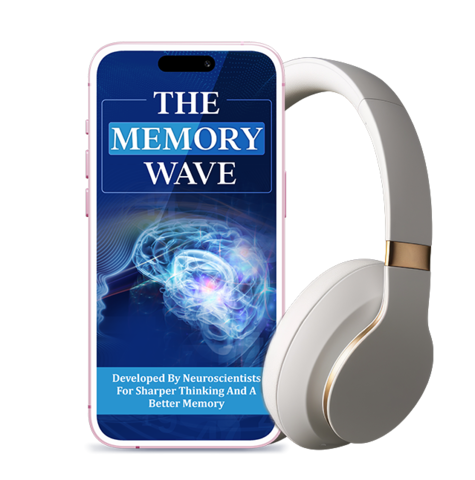
The Memory Wave is a $39 digital audio program: a 12-minute daily sound session designed to encourage gamma brainwave activity, which its sales page links to focus, clarity and the brain’s natural “cleaning process”. This review explains the real 40 Hz research that idea comes from, why it does not test a product like this, and how the 90-day refund works.
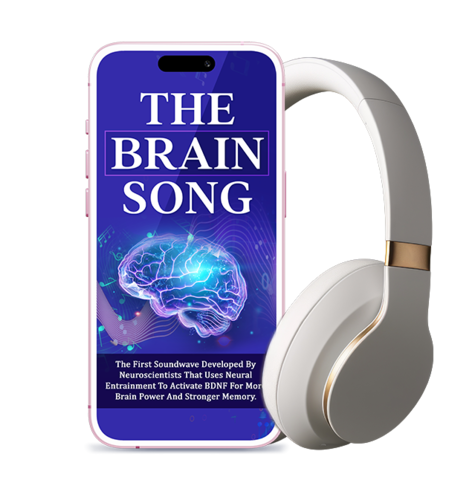
The Brain Song is a $39 digital audio program: a 12-minute daily sound session that its sales page says guides the brain toward gamma frequencies to support BDNF, a protein involved in learning and memory. This review covers what BDNF actually is, what is known about raising it, what the sales page leaves out, and how the 90-day refund works.
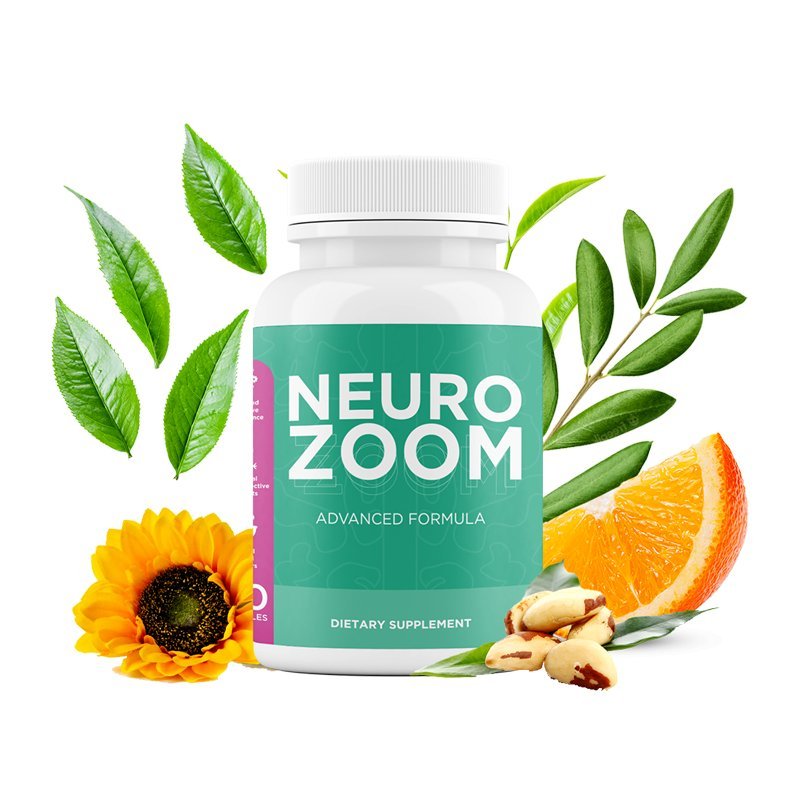
NeuroZoom is a comprehensive dietary supplement designed to support cognitive functions like memory, focus, and mental clarity. Featuring a unique 35-in-1 formula, it targets various aspects of brain health by providing essential vitamins, minerals, and herbal extracts. It is primarily intended for individuals looking to maintain their cognitive edge as they age or those facing high-pressure mental environments. While it isn't a magic fix, it offers a robust nutritional foundation for long-term brain wellness.
Deeper Analysis of Memory and Focus
Supplements or audio programs?
The two kinds of product on this list work on entirely different premises. NeuroVera and NeuroZoom are capsules whose ingredients have been studied, with mixed results, for memory. The Memory Wave and The Brain Song are $39 sound sessions that borrow from neuroscience — 40 Hz brain stimulation and BDNF — but have never been tested themselves. If you want something with measured effects on memory, a well-chosen supplement has the better case. If you mainly want a calming daily routine, the audio programs are cheap and come with 90-day refunds through ClickBank. There is no reason to buy both audio programs: they are the same product with different labels.
What has the strongest evidence — at no extra cost
The things best supported by research for protecting memory are not products:
- Regular aerobic exercise — the best-established way to raise BDNF, the protein The Brain Song names, and linked to better memory in older adults.
- Sleep — memories are consolidated during sleep, and untreated sleep apnoea is a common, treatable cause of poor memory.
- Treating hearing loss and high blood pressure — both are among the 14 modifiable risk factors for dementia identified by the 2024 Lancet Commission, alongside physical inactivity, smoking and social isolation.
- Checking vitamin B12 — deficiency causes memory problems and is easily treated, but extra B12 does not help if your levels are normal.
Ingredients that have not held up
Ginkgo biloba was once the best-selling memory supplement, but a trial of more than 3,000 older adults taking it for around six years found it did not reduce dementia. Large trials of omega-3 supplements in healthy older adults have mostly found no memory benefit. And "35-in-1" style formulas spread a few capsules so thinly that individual ingredients are unlikely to reach the amounts used in research.
Head-to-head comparisons
- NeuroVera vs NeuroZoom — the two memory supplements
- The Brain Song vs The Memory Wave — the two gamma audio programs
- The Memory Wave vs The Genius Wave — gamma or theta audio
Key Ingredients for Memory and Focus
The best-studied memory herb: meta-analyses of randomised trials find modest improvements in memory recall after about 12 weeks of a standardised extract, typically around 300 mg a day. Can cause stomach upset.
Small randomised trials, including one in older adults with mild cognitive impairment, found better cognitive test scores while taking it, which faded after stopping.
Once the most popular memory supplement, but a trial of more than 3,000 older adults over about six years found it did not reduce dementia.
Deficiency causes memory problems and is easily treated, so it is worth testing - but supplements do not improve memory in people whose levels are already normal.
Important for brain structure, but large trials in healthy older adults have mostly found no memory benefit from supplements.
Frequently Asked Questions
Of the products we review, NeuroVera scores highest (3.6 out of 5), mainly because it is built around bacopa, the memory herb with the most trial evidence, and comes with a 365-day guarantee. No memory supplement has strong evidence of a large effect.
A few ingredients have modest evidence: bacopa improved memory recall in trials after about 12 weeks, and lion's mane has small promising trials. Most memory supplements have never been tested as finished products, and the effects seen in healthy adults are small.
No supplement has been shown to prevent dementia. Ginkgo biloba did not reduce dementia in a six-year trial of more than 3,000 older adults. The 2024 Lancet Commission identified 14 modifiable risk factors - including physical inactivity, high blood pressure and untreated hearing loss - that matter far more.
No trial of these programs has been published. They borrow from real research on 40 Hz light and sound stimulation, which was mostly in mice, used purpose-built devices and ran for about an hour a day - not a 12-minute download.
If memory problems are new or getting worse, are noticed by people around you, affect daily life, involve getting lost in familiar places, or come with changes in mood, speech or balance. Many causes are treatable, and early diagnosis matters.
In bacopa trials, effects appeared after about 12 weeks. Give any memory supplement at least two to three months, and choose one whose refund window covers that period - NeuroVera's 365-day guarantee does; NeuroZoom's 60-day one does not.
⚖️ Conclusion
Memory supplements are a modest tool at best. Of the products we review, NeuroVera is the one we would try first: its main ingredient, bacopa, has the strongest trial evidence for memory, it is the cheapest, and its 365-day guarantee covers the 12 weeks bacopa needs. The two brain-audio programs, The Memory Wave and The Brain Song, are inexpensive relaxation habits with 90-day refunds rather than evidence-based memory treatments, and NeuroZoom's 35-in-1 formula is the weakest option here.
Whatever you choose, the things with the strongest evidence for protecting memory cost nothing extra: regular exercise, good sleep, treating hearing loss and high blood pressure, and staying socially active. And if your memory is changing, see a doctor before buying anything.
Related Issues
Explore other topics related to Memory and Focus.