
Home » Ingredients » Vitamin C
Vitamin C (Ascorbic Acid): What It Does, How Much You Need, Colds and Side Effects
Vitamin C (ascorbic acid) is an essential vitamin for collagen, wound healing and iron absorption. Adults need 75 to 90 mg a day, easily met by fruit and vegetables.
Last updated 2 November 2026
Vitamin C: the short answer
Vitamin C (ascorbic acid) is an essential vitamin the body cannot make: it is needed to build collagen for skin, gums and blood vessels, to heal wounds and to absorb iron from plant foods. Adults need 90 mg a day (men) or 75 mg (women), plus 35 mg if they smoke, and one orange or half a red pepper provides most of that. Regular supplements do not prevent colds in most people, but in a 2013 Cochrane review they shortened colds by about 8% in adults and 14% in children. More than 2,000 mg a day can cause diarrhoea, nausea and stomach cramps.
| What it is | An essential water-soluble vitamin (ascorbic acid) needed for collagen, wound healing, iron absorption and the immune system. |
|---|---|
| Daily need | 90 mg for men, 75 mg for women, 85 mg in pregnancy, 120 mg while breastfeeding; 35 mg more for smokers. Upper limit 2,000 mg a day. |
| Colds | Regular supplements do not prevent colds in most people but shorten them by about 8% in adults and 14% in children; they roughly halve the risk under heavy physical stress. |
| Food sources | Citrus fruits, red and green peppers, kiwi fruit, strawberries, broccoli, Brussels sprouts and tomatoes. |
| Safety | Over 2,000 mg a day: diarrhoea, nausea, stomach cramps. High doses linked to kidney stones in men; avoid high doses with haemochromatosis. |
| In products we review | Nagano Tonic, iGenics, Red Boost, Cardio Shield, VenoPlus 8, Keravita Pro, Metanail Complex, VisiFlora |
Sources: Vitamin C fact sheet for consumers (NIH Office of Dietary Supplements) · Vitamin C for preventing and treating the common cold (Cochrane review 2013) · Liposomal versus regular vitamin C absorption: randomized trial (Eur J Nutr 2024)
Benefits of Vitamin C
What is vitamin C?
Vitamin C, or ascorbic acid, is a water-soluble vitamin that humans cannot make, so it has to come from food. The body needs it to make collagen, the protein that holds together skin, gums, blood vessels and wounds; to absorb iron from plant foods; and for the immune system. It is also an antioxidant. Supplements contain ascorbic acid or its mineral salts, such as calcium, magnesium or sodium ascorbate, sometimes in “liposomal” form.
Why people take it
People take vitamin C supplements mainly to prevent or shorten colds and to “boost immunity”, and also for skin, energy and general health. It is in most multivitamins and many other supplements.
Top Rated Supplements with Vitamin C
Products we review that list Vitamin C as an ingredient. Not every product discloses how much of each ingredient a serving contains, so check each review before assuming it matches the amounts used in studies.
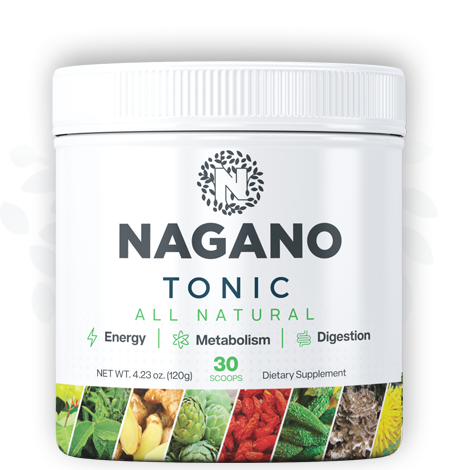
Nagano Tonic, sold as Nagano Lean Body Tonic, is a flavoured powder you stir into water or another drink once a day. Each scoop combines a greens and berry blend, nine herbs including green tea extract, ashwagandha, ginger, cinnamon and Panax ginseng, a small fibre and enzyme blend, five probiotic strains, and vitamins C and B12. It is marketed as a “Japanese elixir” that wakes up a sleeping metabolism. This review covers what the label discloses, what research on its ingredients shows at these amounts, the real package prices and how the 180-day refund works.
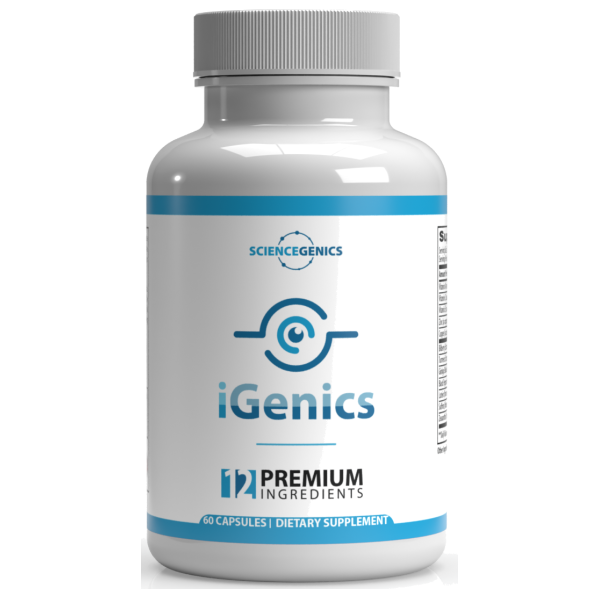
iGenics is a capsule from Science Genics sold for “healthier eyesight”. Its label lists 12 ingredients with full amounts, including vitamin C, zinc, copper, lutein, zeaxanthin, saffron, bilberry, turmeric and ginkgo. This review compares it with the AREDS2 eye vitamins that have real trial evidence, explains who those vitamins help, and covers the prices and the guarantee.
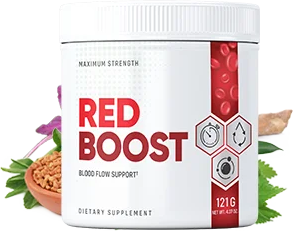
Red Boost is a once-a-day powder sold to men for firmer erections and blood flow, with L-citrulline, horny goat weed, maca, tongkat ali, nettle root and a fruit and beetroot blend. This review compares its label with the research and explains the prices and the 180-day refund.
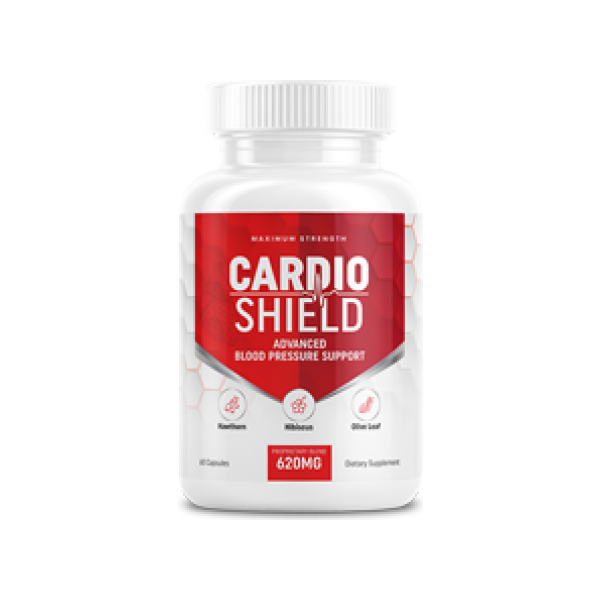
Cardio Shield is a capsule sold for “healthy blood pressure” by a narrator called Jerry and a supplement company, Apollo Research. Two capsules provide six vitamins and a 570 mg blend of hawthorn, olive leaf, nattokinase, green tea, garlic and hibiscus. This review covers what that label shows, what research supports at those amounts, why its promises about medication are dangerous, the real prices and how the 180-day refund works.

VenoPlus 8 is a green apple-flavored drink powder from Simple Promise, sold for circulation, blood pressure and cholesterol. One scoop contains vitamin K2 (MenaQ7), beetroot, pomegranate and grape seed extracts, hesperidin, vitamin C, magnesium and inulin fiber, all with amounts on the label. This review compares those doses with the trials, checks the “heart attack risk by half” claim and the warfarin warning the seller leaves out, and covers the prices and the 365-day refund.
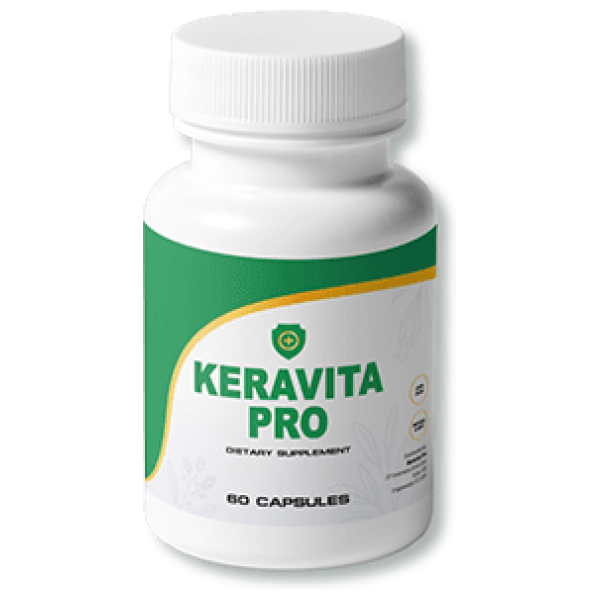
Keravita Pro is a capsule sold online for toenail fungus and healthy nails and hair. This review covers its full label, which turns out to be a general “immune” blend of about 20 herbs, whether any capsule can clear nail fungus, a safety caution about graviola, the sales claims, the prices and the 60-day refund.
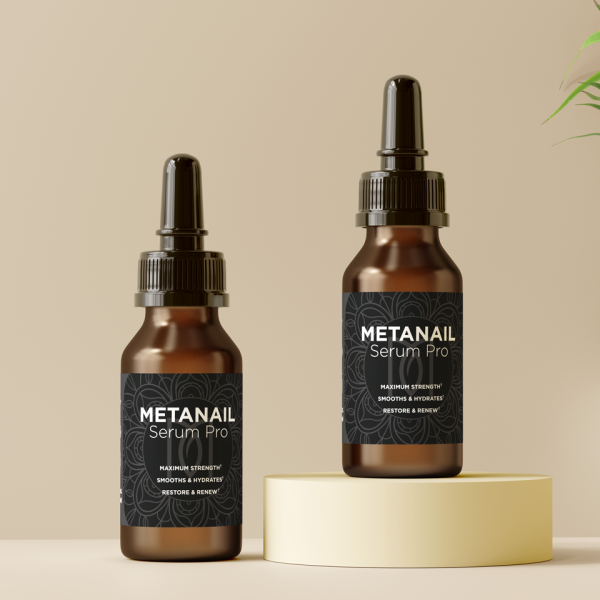
Metanail Complex is a nail and foot serum, Metanail Serum Pro, sold with “detox” capsules in its bigger packs and marketed to people with toenail fungus. This review covers the ingredients it names, what the research shows, which treatments actually clear nail fungus, the real prices and the 60-day refund.
VisiFlora is a one-a-day capsule sold as a “22-in-1” vision formula that “starts in the gut”. Its page names ingredients such as lutein, zeaxanthin, astaxanthin, bilberry, saffron, zinc and beta-carotene, but publishes no label. This review covers what the research shows for those ingredients, why the missing label and the beta-carotene matter, the real prices and the 60-day refund.
Scientific Analysis of Vitamin C
How much vitamin C you need per day
The recommended amounts from the US National Institutes of Health are 90 mg a day for men and 75 mg for women, 85 mg in pregnancy and 120 mg while breastfeeding. People who smoke need 35 mg more. The upper limit for adults is 2,000 mg a day from all sources. Most people meet their needs from food: one orange or half a red pepper provides most of a day’s vitamin C, and kiwi fruit, strawberries, broccoli, Brussels sprouts and tomatoes are also good sources.
Vitamin C deficiency
Severe deficiency causes scurvy, with tiredness, bleeding and swollen gums, easy bruising, slow wound healing and joint pain. It is rare in countries with a varied diet, but people who smoke, eat very few fruits and vegetables, drink heavily or have conditions that affect absorption are more at risk.
Does vitamin C prevent colds?
For most people, no. A 2013 Cochrane review found that taking at least 200 mg a day regularly did not reduce how often people caught colds (29 trial comparisons with 11,306 people), although colds were about 8% shorter in adults and 14% shorter in children. In people under heavy physical stress, such as marathon runners, skiers and soldiers on sub-arctic exercises, regular vitamin C roughly halved the risk of a cold. Starting high doses after a cold has begun had no consistent effect on how long it lasted or how bad it was.
High doses and liposomal vitamin C
The body absorbs less of each dose as the dose rises, and what it does not need is lost in the urine, so very high doses add little. Liposomal vitamin C, wrapped in fat particles, raised blood levels by about a fifth more than ordinary vitamin C in a small 2024 trial of 27 adults given a single 500 mg dose; that does not show any extra health benefit, and liposomal products cost more.
Vitamin C for skin
Vitamin C is needed to make collagen, and deficiency harms skin and gums, but taking more than you need does not make skin younger. Vitamin C serums applied to the skin are a different product, sold for sun damage and dark spots, with evidence from small studies.
Side effects and safety
- Too much: more than 2,000 mg a day can cause diarrhoea, nausea and stomach cramps.
- Kidney stones: high-dose vitamin C supplements have been linked to a higher risk of kidney stones in men; if you have had kidney stones, ask your doctor first.
- Iron overload: vitamin C increases iron absorption, so people with haemochromatosis should avoid high doses.
- Medical treatment: if you are having cancer treatment or tests, tell your doctor about high-dose vitamin C or other antioxidant supplements.
Products we review that contain it
iGenics provides 500 mg as calcium ascorbate, the same amount as the AREDS2 eye vitamin formula, and Red Boost 300 mg. VenoPlus 8 provides 90 mg as magnesium ascorbate, Nagano Tonic 75 mg from acerola and ascorbic acid, and Cardio Shield and Keravita Pro 30 mg each. VisiFlora includes it in a blend without the amount, and Metanail Complex includes it in a serum applied to the nails. These are everyday amounts, similar to a multivitamin or a piece of fruit.
Frequently Asked Questions
It helps the body make collagen for skin, gums, blood vessels and wound healing, helps absorb iron from plant foods, supports the immune system and acts as an antioxidant.
90 mg for men and 75 mg for women, 85 mg in pregnancy and 120 mg while breastfeeding, plus 35 mg if you smoke. One orange or half a red pepper provides most of that.
Getting enough prevents scurvy and supports collagen, wound healing and iron absorption. Extra vitamin C from supplements shortens colds slightly but does not prevent them in most people.
Not for most people. In a 2013 Cochrane review, regular vitamin C did not reduce how often people caught colds but made them about 8% shorter in adults and 14% shorter in children. It roughly halved colds in people under heavy physical stress, such as marathon runners.
It is below the 2,000 mg upper limit for adults, but far more than most people need, and the body absorbs less as the dose rises. High-dose supplements have been linked to kidney stones in men.
More than 2,000 mg a day can cause diarrhoea, nausea and stomach cramps. High doses may raise the risk of kidney stones in men and are unsuitable for people with haemochromatosis.
It is absorbed somewhat better: in a small 2024 trial, blood levels were about a fifth higher than with ordinary vitamin C. That does not show any extra health benefit, and it costs more.
Citrus fruits, red and green peppers, kiwi fruit, strawberries, broccoli, Brussels sprouts and tomatoes. One orange or half a red pepper provides most of a day’s needs.
Among the products we review, iGenics provides 500 mg, Red Boost 300 mg, VenoPlus 8 90 mg, Nagano Tonic 75 mg, and Cardio Shield and Keravita Pro 30 mg each; VisiFlora and Metanail Complex also include it.
⚖️ Conclusion
Vitamin C is essential, but most people get enough from a few servings of fruit and vegetables a day. Supplements are worth it for people who eat very little produce or smoke, and regular vitamin C may shorten colds slightly or help people under heavy physical strain, but it does not prevent colds for most people. More is not better: absorption falls at high doses, more than 2,000 mg a day upsets the stomach, and high doses have been linked to kidney stones in men. The amounts in the supplements we review are everyday amounts, similar to a multivitamin or a piece of fruit.
Related Research
Explore our latest research and articles related to Vitamin C.