
Home » Common Issues » Oral Probiotics
Best Oral Probiotics: Which Strains Have Evidence for Breath, Teeth and Gums
Which oral (dental) probiotics have evidence: S. salivarius K12 for breath, M18 and L. reuteri for teeth and gums. What they can’t do, and ProDentim compared.
Understanding Oral Probiotics
What oral probiotics are
Oral probiotics, also sold as dental probiotics, are live bacteria in lozenges, chewable tablets or gums that dissolve in the mouth. Gut probiotics are swallowed in capsules; oral probiotics are meant to work where they dissolve, on the teeth, gums and tongue, by settling among the bacteria already there. Most use strains first found in healthy mouths, such as Streptococcus salivarius K12 and M18, or lactobacilli such as L. reuteri.
The short answer
Oral probiotics have small, mixed trials, mostly short, and several were run by researchers linked to the strains’ makers. The best evidence is for bad breath: a 2022 meta-analysis of seven randomized trials found lower breath-odor scores with probiotics than with placebo, mostly within the first four weeks. For gums, lozenges with two L. reuteri strains gave small, short-term extra gains when used alongside professional deep cleaning, but a 2025 meta-analysis of 10 gingivitis trials found no statistically significant difference in plaque or bleeding. For cavities, a 2016 meta-analysis found the evidence insufficient to recommend probiotics.
The strain matters more than the brand
Results belong to a specific strain, such as K12, M18 or L. reuteri DSM 17938, not to the species in general. A product that names only the species cannot be matched to the trials. ProDentim, for example, lists 20 mg of Streptococcus salivarius per tablet but does not say which strain.
What oral probiotics cannot do
- Rebuild or strengthen enamel: we found no trials of probiotics for enamel or sensitive teeth. Fluoride toothpaste protects enamel and helps early, pre-cavity enamel loss to remineralize.
- Repair a cavity, remove tartar or make receding gums grow back.
- Whiten teeth: there is no evidence that any probiotic does.
- Replace brushing twice a day with fluoride toothpaste, cleaning between the teeth and dental check-ups.
When to see a dentist instead
See a dentist for gums that keep bleeding, loose teeth, tooth pain or sensitivity, gums pulling back from the teeth, or bad breath that lasts despite brushing, cleaning between the teeth and cleaning the tongue. These can be signs of gum disease or decay, which need treatment rather than a supplement.
At a Glance: The Products Compared
| Product | Our score | Price per bottle | Money-back | |
|---|---|---|---|---|
| ProDentim | 3.7/5 | $49–$79 | 60 days | Read review → |
| DentaBiome | 2.9/5 | $49–$79 | 60 days | Read review → |
| ProvaDent | 2.2/5 | $49–$69 | 60 days | Read review → |
Scores use our published rubric. Prices are the official site's per-bottle price, from the largest package to the smallest; shipping and taxes can change the total, so check it at checkout.
Top Recommended Products for Oral Probiotics
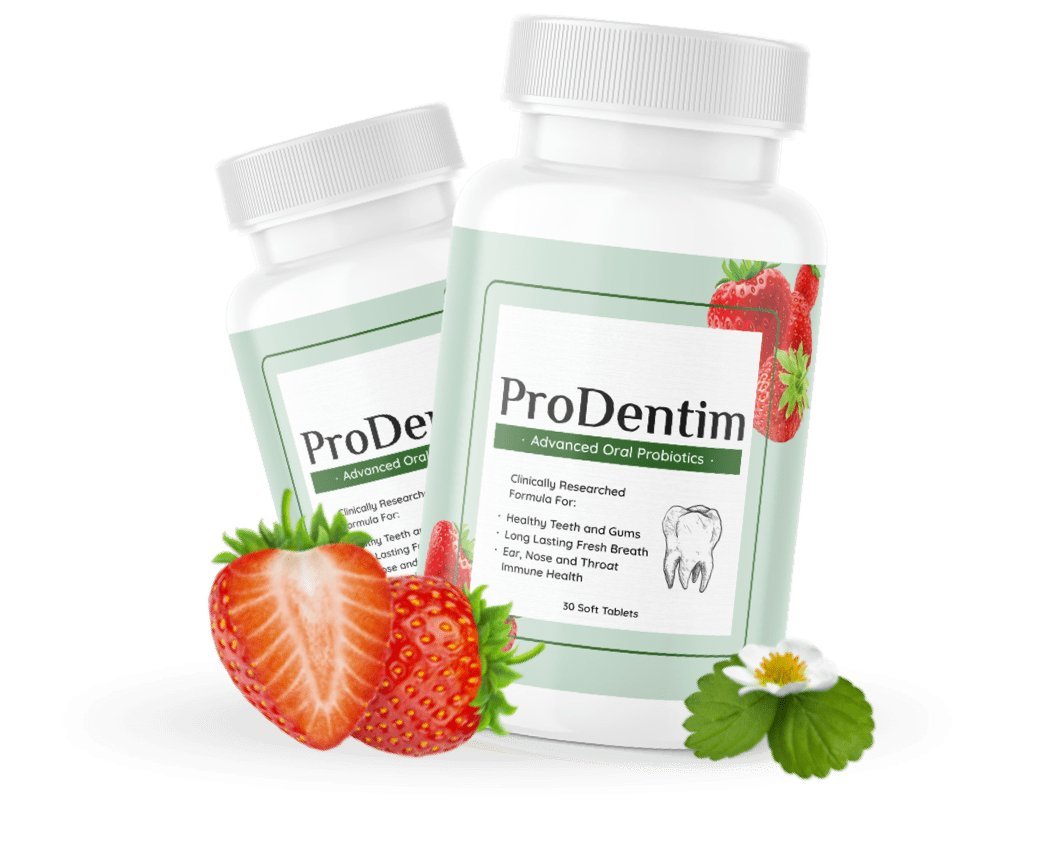
ProDentim is a probiotic soft tablet sold for healthier gums and teeth and fresher breath. This review covers its full label, including an ingredient the sales page leaves out, what research shows for bleeding gums, cavities, tartar and bad breath, the marketing claims, the prices and the 60-day refund.
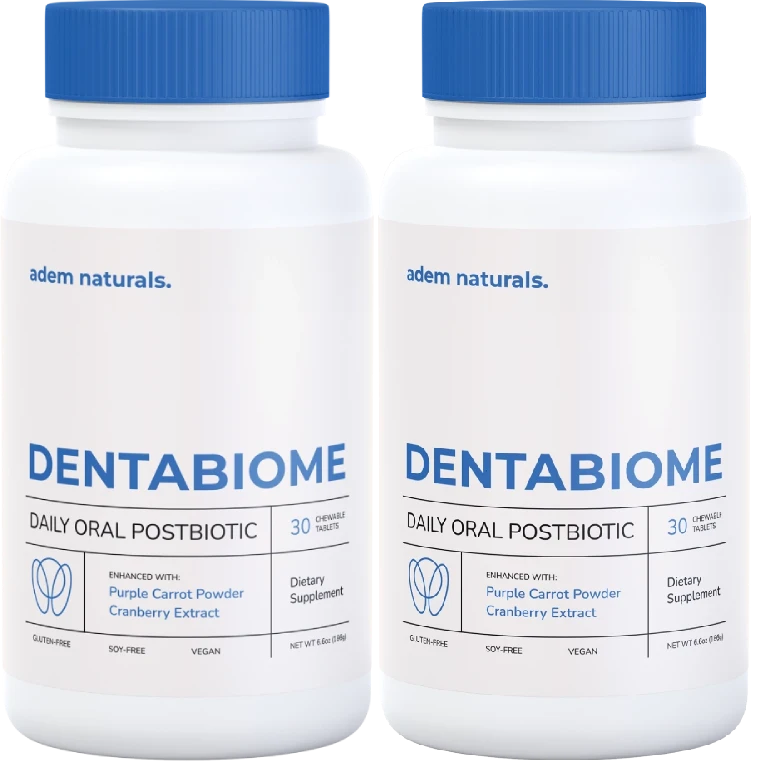
DentaBiome is a berry-flavoured chewable tablet sold as the first “oral postbiotic”: non-living Lactobacillus strains and the compounds they produce, combined with an enzyme blend, xylitol, purple carrot and cranberry. Made by Adem Naturals, it is marketed for bleeding gums, bad breath and cavities. This review covers what the research supports, what the label leaves out, the real prices and the 60-day refund terms.
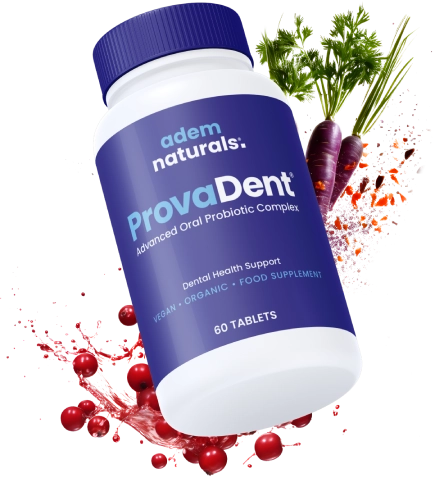
ProvaDent is a chewable oral probiotic tablet from Adem Naturals, sold through ClickBank for gums, breath and teeth. This review checks its ingredients against the research and explains the prices, the dentist on the sales page and the refund rules.
Deeper Analysis of Oral Probiotics
The strains with evidence
| Strain | Studied for | What the trials found |
|---|---|---|
| S. salivarius K12 | Bad breath; repeat sore throats in children | In a small 2006 trial that started with an antiseptic rinse, 85% of the K12 group and 30% of the placebo group had a large drop in the sulfur gases behind bad breath a week later. In a 2020 trial of 28 people with a coated tongue, K12 did no better than placebo when the coating was not removed first. The throat studies were small and not randomized. |
| S. salivarius M18 | Plaque and cavities | In a 2013 trial of 100 children with active tooth decay, plaque scores after three months were slightly lower than with placebo, a borderline result. The trial measured plaque and gum health, not new cavities. |
| L. reuteri DSM 17938 and ATCC PTA 5289 | Gingivitis and periodontitis | Lozenges with both strains gave small, short-term improvements in plaque and bleeding as an add-on to professional deep cleaning. |
| L. rhamnosus GG | Cavities in children | Milk with this strain gave the most promising cavity results in the 2016 meta-analysis, which still judged the evidence insufficient. |
| L. paracasei, B. lactis BL-04 | Mainly gut and respiratory health | Little or no testing in the mouth; effects depend on the strain. |
How to choose an oral probiotic
- A named strain (for example K12, M18, DSM 17938), so you can check it against the trials above.
- A stated count of live bacteria (CFU), ideally guaranteed until the expiry date rather than only “at manufacture”.
- A form that dissolves in the mouth, such as a lozenge or chewable tablet, which is how the trials gave them.
- A fair offer: a one-time payment, a single pack to try first, and a refund that does not depend on returning unopened bottles only.
- No cure claims: a product that promises to reverse gum disease, rebuild enamel or end dentist visits is overselling.
The products we review
Of the dental supplements we review, ProDentim is the only one with live probiotics on a published label: 20 mg of S. salivarius and a 20 mg blend of L. paracasei, L. reuteri and B. lactis BL-04, none with a named strain. ProvaDent lists “4 strains of probiotics” with no names or count. DentaBiome uses postbiotics, inactivated bacteria rather than live ones, so the live-probiotic trials do not apply to it. The table above compares their scores, prices and refunds.
Safety
Oral probiotics were well tolerated in trials. People who are seriously ill, have a weakened immune system or have damaged heart valves should ask a doctor first, because mouth bacteria can rarely cause infections in them. Ask a pediatrician before giving them to children, and do not give probiotics to premature infants without medical advice.
Key Ingredients for Oral Probiotics
The most studied strain for bad breath. Small trials with mixed results: it helped after an antiseptic rinse but not on a coated tongue left uncleaned.
Sold for teeth. One children’s trial found slightly lower plaque scores after three months; effects on cavities are not established.
Lozenges with strains DSM 17938 and ATCC PTA 5289 gave small short-term gains in plaque and bleeding alongside professional deep cleaning.
The most promising cavity results came from milk with this strain in children, but the overall evidence is insufficient.
Found in oral probiotic tablets such as ProDentim, but studied mainly for gut and respiratory health rather than the mouth.
Frequently Asked Questions
Live bacteria in lozenges, chewable tablets or gums that dissolve in the mouth, sold to support breath, teeth and gums. They are also called dental probiotics. Most use strains first found in healthy mouths, such as Streptococcus salivarius K12 and M18 or L. reuteri.
Only modestly, and the trials are small. The best evidence is for bad breath, where a 2022 meta-analysis of seven trials found lower breath-odor scores, mostly within four weeks. Evidence for gums is weak, and for cavities it is insufficient.
Streptococcus salivarius K12 is the most studied strain for bad breath, with mixed results: it helped in a small trial after an antiseptic rinse, but did no better than placebo when a coated tongue was not cleaned first. Cleaning the tongue and treating gum disease matter more.
Not on current evidence. A 2016 meta-analysis found the evidence insufficient to recommend them; the most promising results came from milk with L. rhamnosus GG in children. Fluoride toothpaste and fewer sugary snacks and drinks have much stronger evidence.
Lozenges with two L. reuteri strains gave small, short-term gains when used alongside professional deep cleaning. On their own, a 2025 meta-analysis of gingivitis trials found no significant difference. Gums that keep bleeding need a dentist.
No. We found no trials showing that probiotics whiten teeth or strengthen enamel. Fluoride toothpaste protects enamel, and whitening needs whitening products or a dentist.
In the bad-breath trials, the benefit appeared mostly within the first four weeks. If you notice no change after a month, a probiotic is unlikely to help, and persistent bad breath is worth a dental check.
They were well tolerated in trials. People who are seriously ill, have a weakened immune system or have damaged heart valves should ask a doctor first, and premature infants should not be given probiotics without medical advice.
ProDentim has a published label with S. salivarius and three other strains, but it names none of them, so it cannot be matched to the trials, and the tablet itself has never been tested. Our ProDentim review covers its label, evidence, price and refund.
⚖️ Conclusion
Oral probiotics are a reasonable thing to try for bad breath, where small trials show a modest, short-term benefit, but they are not a treatment for gum disease or cavities and cannot rebuild enamel or whiten teeth. Choose a product that names its strains, such as Streptococcus salivarius K12 for breath, and buy a single pack first. Above all, keep brushing with fluoride toothpaste, clean between your teeth and see a dentist for bleeding gums, pain or bad breath that does not go away.
Related Issues
Explore other topics related to Oral Probiotics.