
Home » Ingredients » Lactobacillus Reuteri
Lactobacillus reuteri: What the Research Shows
Lactobacillus reuteri (now officially named Limosilactobacillus reuteri) is a probiotic bacterium that produces an antimicrobial substance called reuterin. Its effects depend on the strain: the best evidence is for DSM 17938 in colicky breastfed babies, with smaller studies in gum disease and H. pylori treatment.
Last updated 7 October 2026
Lactobacillus Reuteri: the short answer
The benefits of L. reuteri depend on the strain. The best evidence is for strain DSM 17938, which reduced crying time in breastfed babies with colic. Smaller trials suggest certain strains may help gum disease, slightly shorten childhood diarrhea and aid H. pylori treatment as an add-on; other claims are less certain.
| What it is | A lactic acid bacterium sold as a probiotic, now officially named Limosilactobacillus reuteri; effects are specific to strains such as DSM 17938, ATCC PTA 5289 and NCIMB 30242. |
|---|---|
| Most studied for | Infant colic (DSM 17938), gingivitis and periodontitis (lozenges with DSM 17938 and ATCC PTA 5289), acute diarrhea in children, as an add-on to H. pylori treatment, and cholesterol (NCIMB 30242). |
| Amounts used in studies | Colic: 100 million CFU of DSM 17938 a day for 21 days. Gum disease: lozenges with 100 million CFU each of DSM 17938 and ATCC PTA 5289, or about 200 million CFU of L. reuteri a day, for 2 to 12 weeks. Cholesterol: 2.9 billion CFU of NCIMB 30242 capsules for 9 weeks. |
| Strength of evidence | Mixed - pooled trials support DSM 17938 for colic in breastfed infants, but other uses rest on small trials, and it did not prevent antibiotic-associated diarrhea in children. |
| Safety | Usually well tolerated in healthy children and adults; mild gas or bloating can occur. Risk of serious infection is higher in people with weakened immune systems or severe illness, and the FDA has warned that premature infants given probiotics have had severe, sometimes fatal infections. |
| In products we review | ProDentim, Red Boost, Finessa |
Sources: NCCIH probiotics fact sheet · Colic meta-analysis (Pediatrics 2018) · Periodontitis lozenge trial 2010 · H. pylori add-on meta-analysis
Benefits of Lactobacillus Reuteri
What is Lactobacillus Reuteri?
Lactobacillus reuteri is a Gram-positive, rod-shaped bacterium; since a 2020 reclassification of the Lactobacillus genus, it is officially called Limosilactobacillus reuteri. L. reuteri has been isolated from the human gut and other body sites, but how many people carry it naturally is not well established. It is one of the more studied probiotic species, although how common it is in people today is not clear.
The History and Discovery of L. Reuteri
The bacterium was first described in the early 1960s by the German microbiologist Gerhard Reuter, after whom the species is named. Reuter isolated the organism from human fecal and intestinal samples, noticing its distinct characteristics compared to other lactic acid bacteria. Some researchers have suggested that L. reuteri is less common in people in industrialized societies than it once was, but there are few data to confirm this. If such a decline has happened, changes in diet, antibiotic use and hygiene have been proposed as reasons. Today, specific L. reuteri strains are tested in clinical trials, mostly for infant colic, childhood diarrhea, gum disease and H. pylori treatment.
Top Rated Supplements with Lactobacillus Reuteri
Products we review that list Lactobacillus Reuteri as an ingredient. Not every product discloses how much of each ingredient a serving contains, so check each review before assuming it matches the amounts used in studies.
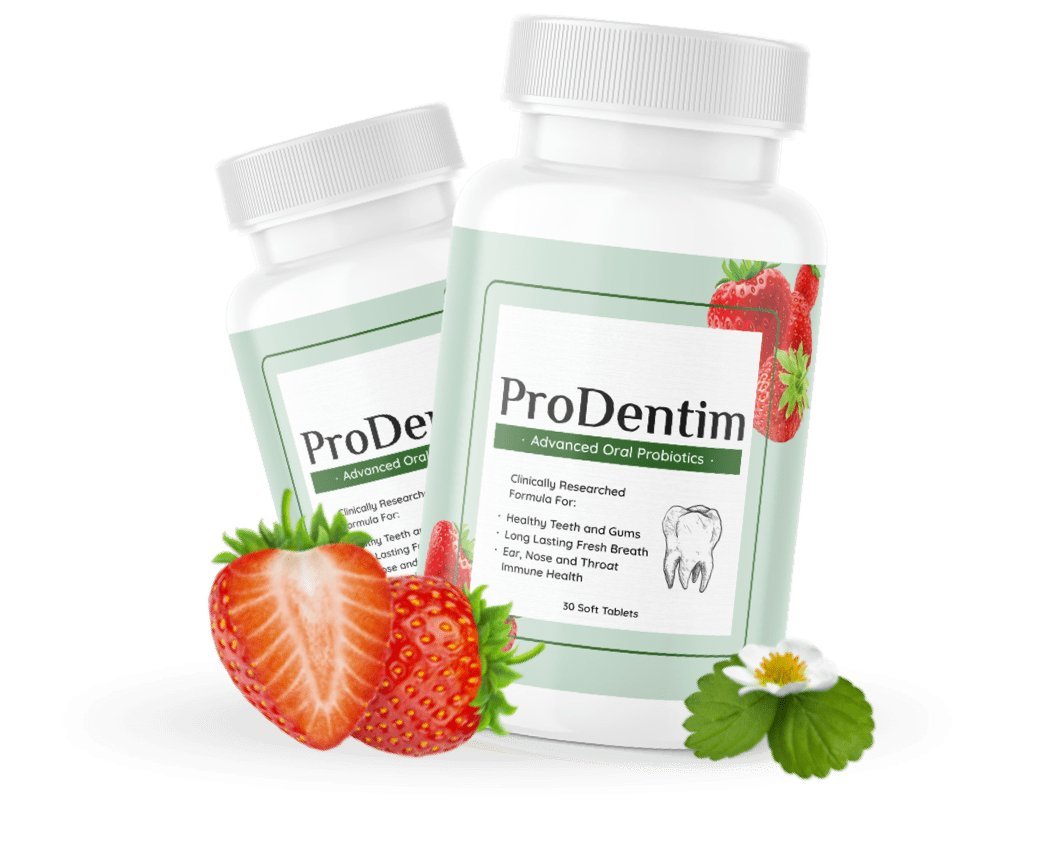
ProDentim is a probiotic soft tablet sold for healthier gums and teeth and fresher breath. This review covers its full label, including an ingredient the sales page leaves out, what research shows for bleeding gums, cavities, tartar and bad breath, the marketing claims, the prices and the 60-day refund.
Red Boost is a once-a-day powder sold to men for firmer erections and blood flow, with L-citrulline, horny goat weed, maca, tongkat ali, nettle root and a fruit and beetroot blend. This review compares its label with the research and explains the prices and the 180-day refund.
Finessa is a powdered digestive supplement sold for constipation, bloating and a “flatter belly”. One scoop combines fruit and vegetable powders, liver herbs such as dandelion and milk thistle, probiotics and cascara sagrada, a stimulant laxative. This review covers what the label shows, what the research supports, why the laxative matters, side effects, the real prices and how the 180-day refund works.
Scientific Analysis of Lactobacillus Reuteri
The Mechanisms of Action: How L. Reuteri Works
Lactobacillus reuteri has several biological features that researchers have studied, mostly in the lab. One feature is its production of reuterin, a compound that kills or slows some microbes in lab tests. Reuterin is made from glycerol and inhibits a range of bacteria, fungi and protozoa in lab studies; whether it spares helpful gut microbes in people is not established. Whether this protects people's intestines from infection has not been clearly shown.
Beyond antimicrobial production, L. reuteri interacts directly with the host's immune system. In lab and animal studies, it changes the production of inflammatory cytokines and promotes regulatory T-cells. Whether this reduces inflammation in people's gut or elsewhere in the body is not established. Lab and animal studies also suggest it may strengthen the gut lining's tight junctions, but it has not been shown to prevent 'leaky gut' in people.
Health Benefits and What the Research Shows
Digestive Health and Gastrointestinal Support
L. reuteri is best known for research on digestive problems, where results depend on the strain and the condition. In children with acute gastroenteritis, DSM 17938 shortened diarrhea by just under a day in a 2019 meta-analysis of 4 trials, but a 2019 trial found it did not prevent antibiotic-associated diarrhea in children. Evidence for irritable bowel syndrome (IBS) in adults is limited and has not been confirmed in large trials. As an add-on to standard antibiotic treatment for Helicobacter pylori, a 2019 meta-analysis found slightly higher eradication rates with L. reuteri (5 trials), but it does not replace antibiotics.
Infant Health and Colic Relief
One of the most robust areas of research for L. reuteri is its application in pediatric health. A 2018 pooled analysis of 4 trials (345 infants) found that DSM 17938 cut crying time by about 25 minutes a day at day 21, with the benefit seen in breastfed but not formula-fed babies. How it works is not fully understood, and colic has no single known cause, so parents should discuss it with a pediatrician.
Cardiovascular and Metabolic Health
A few trials have looked at L. reuteri and cholesterol. In a 9-week trial of 127 adults with high cholesterol, the strain NCIMB 30242 lowered LDL cholesterol by about 12% versus placebo, but the trials were short and came from one research group. This strain breaks down bile salts, which is thought to make the liver use more cholesterol to produce new bile. Evidence for blood sugar control or weight management in people is limited and inconsistent.
Oral Health and Hygiene
L. reuteri is one of the probiotics most studied for oral health. In a 2006 gingivitis trial, it was found in the mouths of most people taking the lozenges; effects on tooth decay are not well established. Small trials of L. reuteri lozenges (for example DSM 17938 with ATCC PTA 5289) found less gum bleeding and inflammation, and modest extra benefit when added to deep cleaning for periodontitis.
Skin Health and the Gut-Skin Axis
Researchers are also studying possible links between gut bacteria and skin health (the gut-skin axis). Evidence that L. reuteri improves skin hydration, atopic dermatitis or eczema in people is limited and mixed. Some animal studies even suggest it may promote faster wound healing and increase dermal thickness and hair luster.
Scientific Research and Clinical Evidence
L. reuteri strains have been tested in many human clinical trials, though most are small and results differ by strain. These studies span various age groups, from premature infants to the elderly. Research consistently highlights the strain-specific nature of these benefits; for instance, while one strain might be optimized for cholesterol reduction, another is better suited for immune support. Because results apply only to the strain tested, a product's benefits cannot be assumed unless it contains that strain at the studied dose.
Potential Side Effects and Safety Profile
Studied L. reuteri strains have generally been well tolerated by healthy children and adults, but the FDA has warned that premature infants given probiotics have developed severe, sometimes fatal infections. Probiotics have a long record of apparently safe use in healthy people, but few studies have looked at their safety in detail. However, some individuals may experience mild, temporary side effects during the first few days of supplementation. These can include:
- Mild abdominal gas or bloating as the microbiome shifts.
- Temporary changes in stool consistency.
Individuals with severely compromised immune systems, those with venous catheters, or patients recovering from major surgery should consult a healthcare professional before starting any probiotic regimen, as there is a rare risk of bacteremia in highly vulnerable populations.
For how L. reuteri compares with other oral probiotics, such as Streptococcus salivarius K12, see our oral probiotics guide.
Frequently Asked Questions
Doses in trials vary by strain: 100 million CFU a day of DSM 17938 for colic, lozenges with 100 million CFU each of two strains twice a day for gum disease, and 2.9 billion CFU capsules of NCIMB 30242 for cholesterol. No dose has been established for general maintenance in healthy people; follow the label of a product containing a studied strain.
It is generally recommended to take L. reuteri with a meal or just before eating. Food may help buffer stomach acid, though the best timing has not been well studied.
While L. reuteri is found in some traditional fermented foods like certain sourdough breads and high-quality yogurts, the concentrations are usually much lower than those found in targeted dietary supplements.
The strain DSM 17938 has been studied in healthy full-term infants with colic and was well tolerated, but probiotics can cause serious infections in premature infants. Always consult with a pediatrician for the appropriate strain and dosage.
This depends on the manufacturing process. While some freeze-dried versions are shelf-stable at room temperature, many high-potency L. reuteri supplements require refrigeration to maintain maximum viability over time.
⚖️ Conclusion
Lactobacillus reuteri is a probiotic species whose evidence depends heavily on the specific strain. It produces reuterin, an antimicrobial compound active in lab studies, but protection against infections in people has not been clearly shown. The strongest evidence is for DSM 17938 in colicky breastfed infants; studies on gum disease, H. pylori treatment and cholesterol are smaller, and skin benefits are unproven. The idea that a decline of this bacterium in modern guts causes inflammatory or digestive problems is a hypothesis, not an established finding. For a specific use, a product containing a strain that was tested for that purpose is the most evidence-based choice. We recommend selecting products that specify the exact strain used, such as DSM 17938 or NCIMB 30242, to ensure you are receiving the specific benefits observed in clinical trials. It has not been shown to provide general microbiome support in healthy people.
Related Research
Explore our latest research and articles related to Lactobacillus Reuteri.